
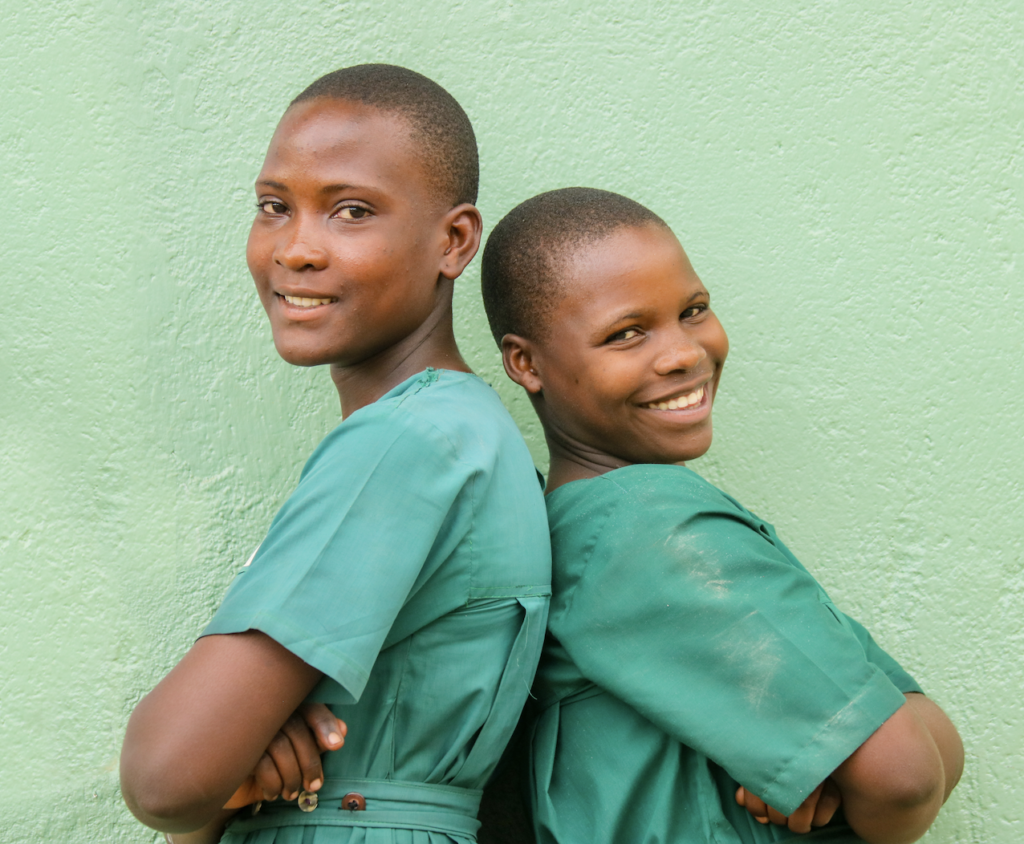
Why Mental Health Education is the Key to Healthier Communities on World Health Day
Every year, World Health Day reminds us that health is more than physical well-being. It is emotional, psychological, and social. Yet in many communities across the world, especially in underserved regions, mental health education remains limited or overlooked.
Mental health education is not simply about preventing illness. It is about building resilience, strengthening relationships, and unlocking opportunity. And perhaps most importantly, it plays a vital role in improving girls’ mental health, which directly influences community wellbeing over time.
Why Mental Health Education Matters More Than Ever
Across many communities, young people face increasing pressure from poverty, conflict, social expectations, and limited access to support services. Without mental health awareness, these challenges often remain invisible.
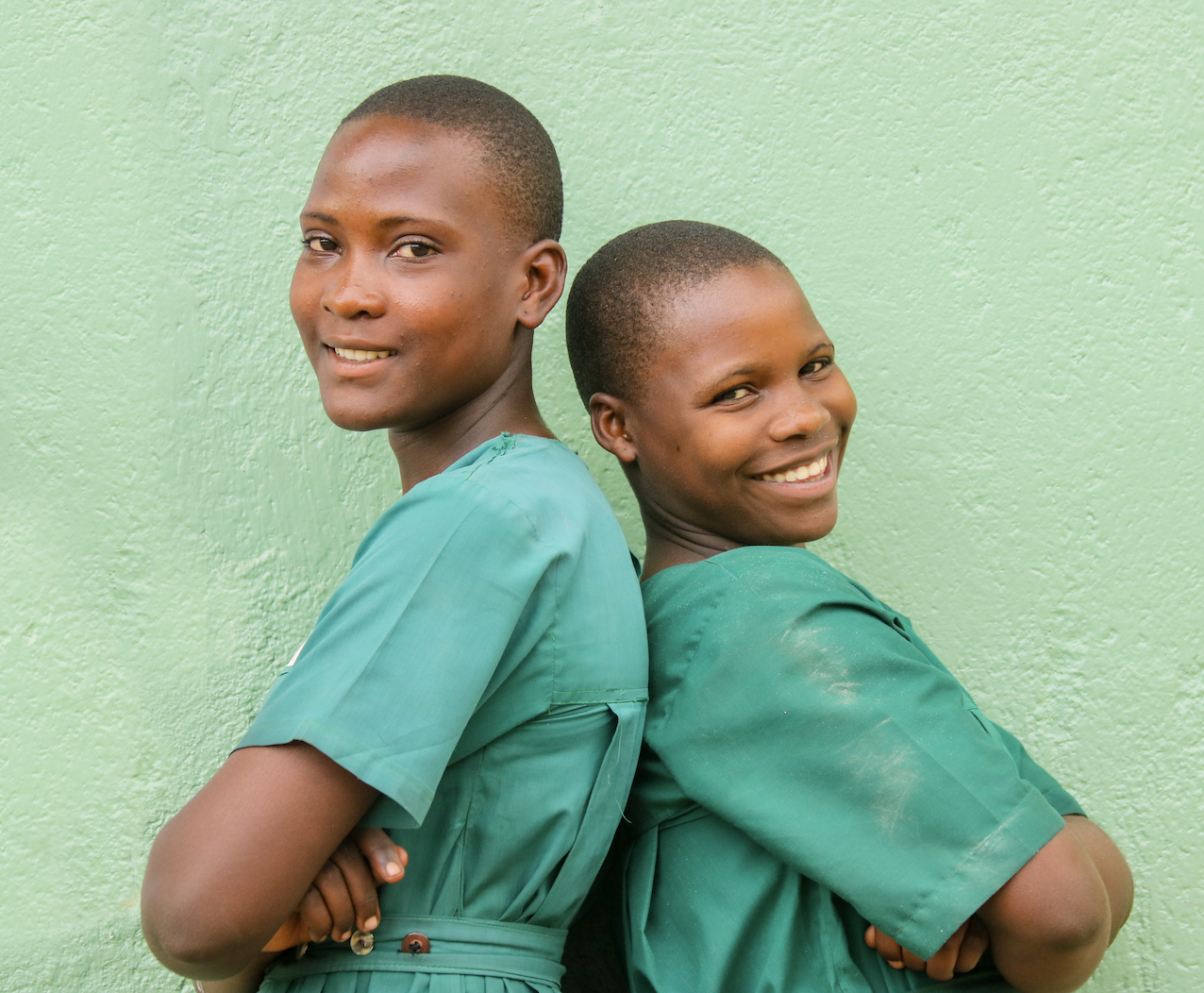 Mental health education helps young people:
-
-
- Understand their emotions
- Recognize when they need support
- Support their peers
- Reduce stigma around seeking help
- Build confidence and resilience
-
When children and adolescents learn these skills early, they grow into adults who are better prepared to navigate challenges and contribute positively to their communities.
Education does not just change individuals; it changes cultures. It replaces silence with understanding and isolation with connection.
The Critical Importance of Girls’ Mental Health
Investing in girls’ mental health has ripple effects far beyond the individual. In many communities, girls face unique pressures: early marriage expectations, unequal access to education, gender-based violence risks, and cultural limitations on independence.
Without mental health education, these challenges can quietly shape their futures.
When girls receive emotional support and mental health awareness training, they are more likely to:
-
-
- Stay in school longer
- Develop leadership skills
- Advocate for themselves and others
- Delay early marriage
- Support healthier families in adulthood
-
Healthy girls become confident women. Confident women strengthen entire communities.
By working directly with schools, Asante Africa Foundation helps create safe spaces where students, especially girls, can build confidence, explore leadership opportunities, and strengthen their emotional well-being.
These supportive environments improve attendance, increase participation, and help students feel valued and heard.
Breaking the Stigma Starts with Education
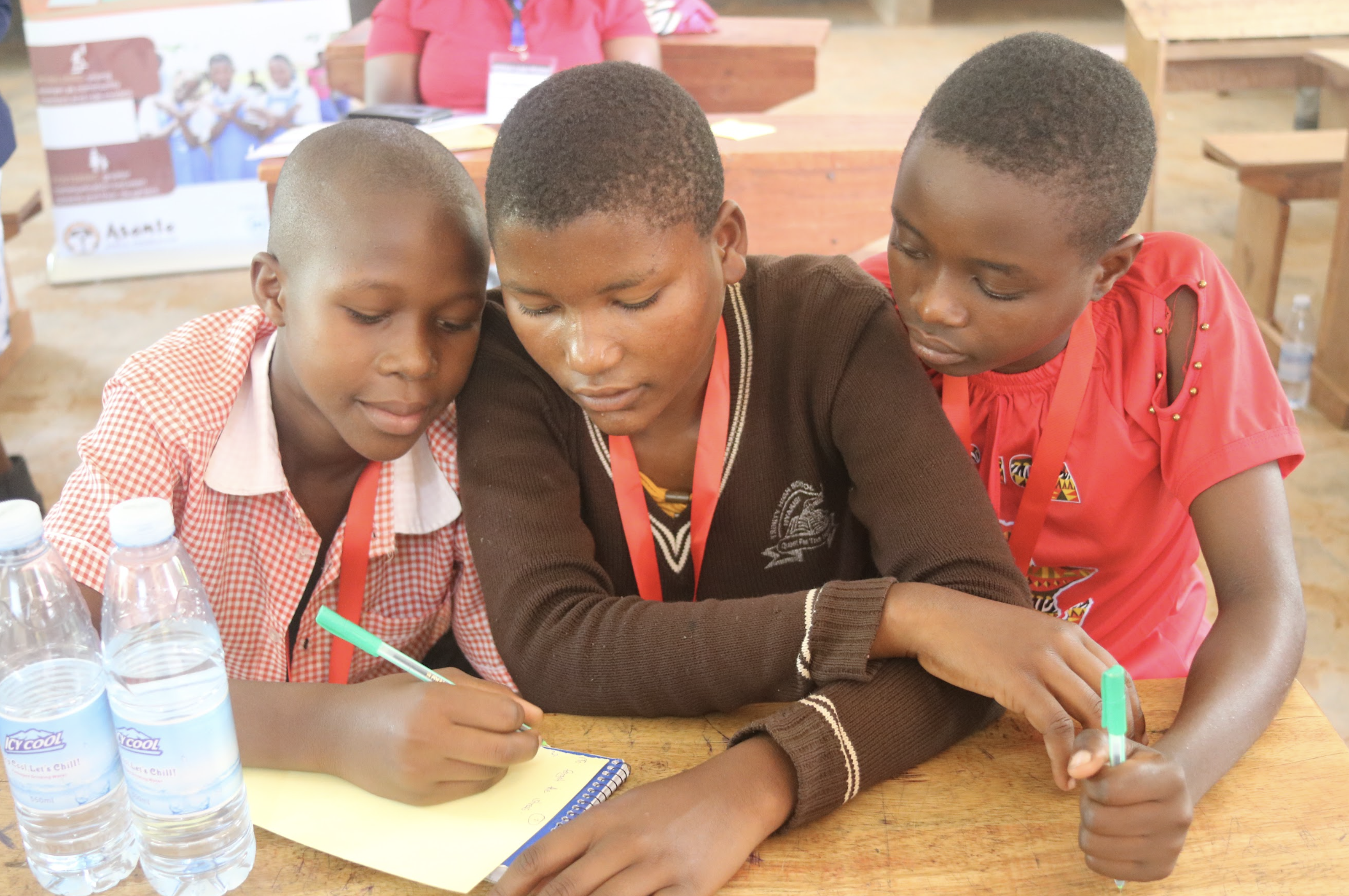 One of the biggest barriers to mental well-being is stigma. In many regions, mental health struggles are misunderstood or ignored. Young people may feel ashamed to speak about anxiety, stress, or depression.
Education changes that.
When schools and community programs introduce mental health discussions early, they normalize conversations around emotional well-being. Students begin to understand that asking for help is a strength, not a weakness.
Teachers, parents, and community leaders also become better equipped to recognize warning signs and offer support.
Over time, this creates communities where people look out for one another.
Mental Health Education Builds Youth Empowerment
Mental health awareness gives young people tools to understand themselves and their potential. When students learn how to manage stress, express emotions, and support peers, they develop confidence that extends into every area of life.
This is the heart of youth empowerment. Empowered youth are more likely to:
-
-
-
- Stay engaged in education
- Participate in community leadership
- Support gender equality
- Build healthier relationships
- Advocate for positive change
-
-
Mental health education helps young people see themselves not as passive participants in society, but as active contributors to its future.
Schools Are Powerful Spaces for Change
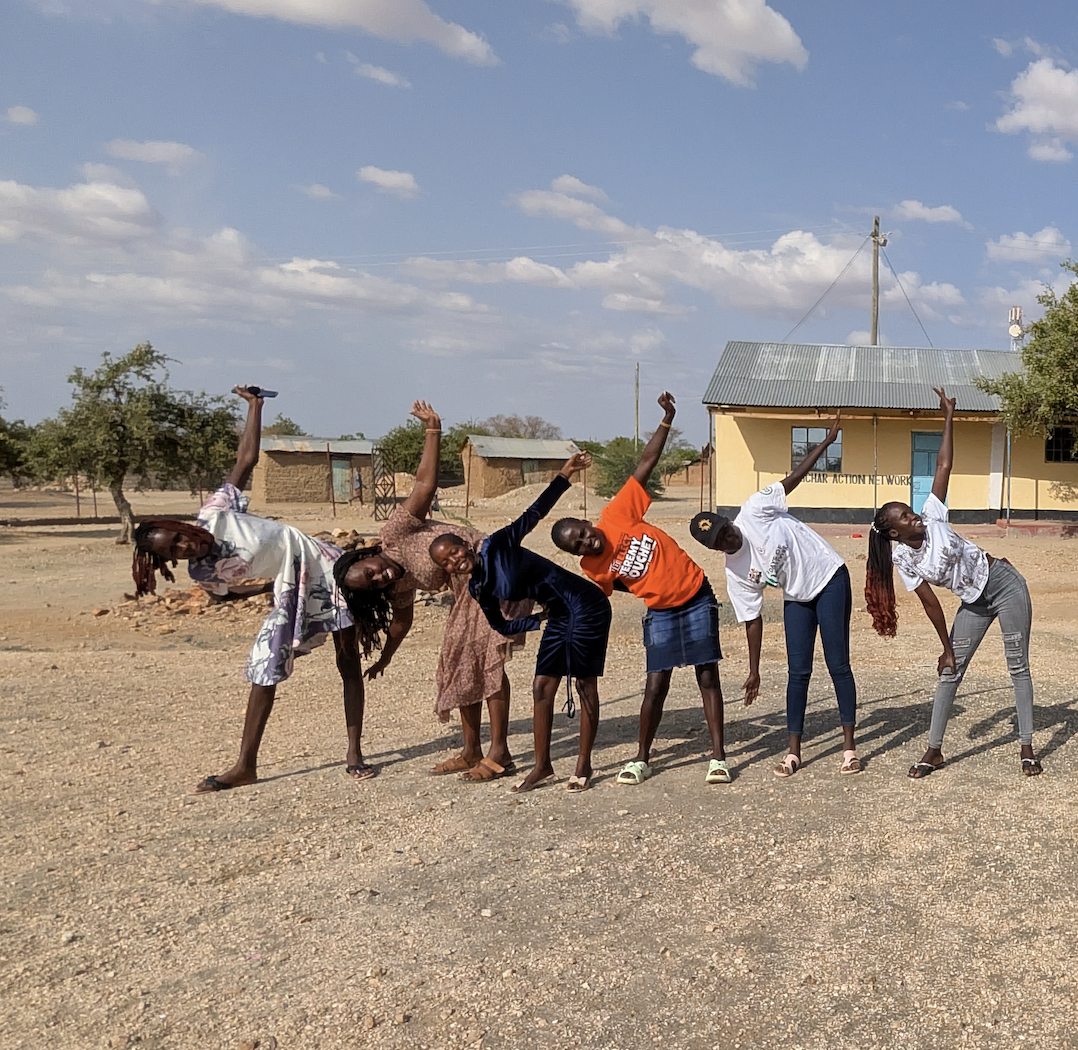 Schools are one of the most effective places to introduce mental health education. They provide structured environments where students can learn emotional skills alongside academic subjects.
Programs that support girls’ mental health within schools are especially impactful. Safe discussion spaces, mentorship opportunities, and peer support networks help girls build confidence and resilience during critical developmental years.
When schools prioritize emotional well-being, attendance improves, classroom participation increases, and students feel safer expressing themselves.
Education becomes more than instruction—it becomes transformation.
Stronger Communities Start with Supported Young People
Communities thrive when their young people feel safe, heard, and supported. Mental health education strengthens families, improves school outcomes, and encourages healthier social connections.
On this World Health Day, it is important to recognize that supporting girls’ mental health strengthens entire communities. When young people gain the skills to understand themselves and support one another, they become leaders who help build healthier futures for everyone.
Through education, mentorship, and leadership development, Asante Africa Foundation continues to invest in the well-being of young people, ensuring they have the confidence, resilience, and opportunities they need to thrive.
Because when youth are empowered, communities grow stronger together.
WRITTEN BY: Mayuri Goswami