
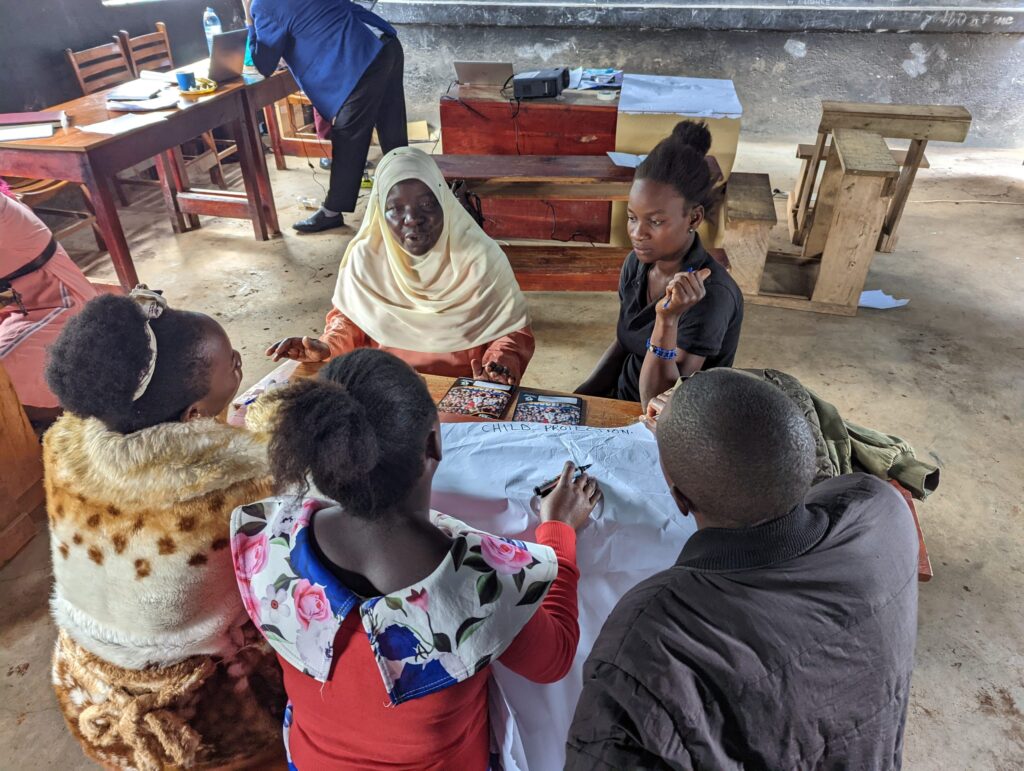
What Makes Great Youth Empowerment Programs
Young people today are not waiting for the future; they are shaping it. Across the globe, communities are investing in youth empowerment programs to equip the next generation with the skills, confidence, and opportunities they need to succeed. But what separates average initiatives from the best youth empowerment programs?
The answer lies in how deeply these programs invest in young people, not just as beneficiaries, but as leaders, innovators, and changemakers.
1. A Focus on Practical, Real-World Skills
The most effective youth empowerment programs go beyond theory. They prioritize practical skills like leadership, communication, financial literacy, and problem-solving—skills that young people can apply immediately in their lives.
Great programs create opportunities for hands-on learning. Whether through entrepreneurship projects, community initiatives, or digital training, youth gain confidence by putting knowledge into action. This approach ensures they are not just learning, but building pathways to employment and self-reliance.
Organizations like Asante Africa Foundation exemplify this approach by combining job readiness, entrepreneurship, and personal development into integrated training programs that prepare youth for real-world challenges.
2. Youth-Centered Design
The best youth empowerment programs are designed with young people, not just for them.
This means listening to their needs, involving them in decision-making, and allowing them to shape the direction of the program. When youth feel heard, they are more engaged—and the solutions become more relevant.
A strong example of this is Asante Africa Foundation’s community-driven model, where local youth alumni and community members actively help design and implement programs. This ensures that initiatives are culturally relevant and truly address local challenges.
3. Strong Mentorship and Role Models
Mentorship is a cornerstone of impactful youth empowerment programs. Having access to mentors helps young people navigate challenges, set goals, and expand their vision for the future.
The best programs connect youth with relatable role models who provide guidance, encouragement, and real-life insights. This kind of support builds confidence and reinforces the belief that success is achievable.
In many Asante Africa initiatives, mentorship is embedded within youth-led clubs and peer learning models, allowing participants to both learn from others and eventually become mentors themselves.

4. A Holistic Approach to Empowerment
Youth empowerment is not just about skills; it’s about the whole person.
The best youth empowerment programs address multiple dimensions of a young person’s life, including education, health, emotional well-being, and economic opportunity. A holistic approach ensures long-term, sustainable impact.
For instance, Asante Africa Foundation integrates education, gender equality, leadership, and economic empowerment across its programs, aligning with global development goals to create well-rounded growth opportunities for youth.
5. Community Engagement and Ownership
No program can succeed in isolation. The most effective youth empowerment programs are deeply rooted in the communities they serve.
When families, educators, and local leaders are involved, the impact extends far beyond individual participants. It creates an ecosystem of support that reinforces learning and encourages long-term change.
Asante Africa’s programs are built on strong community partnerships, ensuring that youth are supported both during and after their participation. This approach helps create lasting change at the community level and not just individual success stories.
6. Opportunities for Youth Leadership
Empowerment is not complete without leadership.
The best youth empowerment programs create opportunities for young people to take initiative, lead projects, and contribute to their communities. These experiences build confidence, responsibility, and a sense of purpose.
A standout feature of Asante Africa’s model is its “Learn, Do, Teach” and “Pay-it-Forward” approach – where youth first learn skills, apply them in real-world settings, and then teach others. This not only deepens their understanding but also transforms them into community leaders.

7. Measurable Impact and Long-Term Vision
Finally, great programs are results-driven. They measure outcomes, gather feedback, and continuously improve.
The best youth empowerment programs are not one-time interventions; they are long-term investments in people. They track progress, adapt to changing needs, and scale their impact over time.
Asante Africa Foundation, for example, uses evidence-based approaches and ongoing evaluation to refine its programs, with a long-term vision of reaching and empowering millions of young people across East Africa.
Conclusion
In today’s rapidly changing world, empowering youth is one of the most powerful ways to drive sustainable development. High-quality youth empowerment programs don’t just teach skills—they unlock potential, build confidence, and create leaders who can transform their communities.
The best youth empowerment programs share common traits: they are practical, inclusive, community-driven, and focused on long-term impact. Organizations like Asante Africa Foundation demonstrate how these principles can come together to create meaningful, lasting change.