One Student’s Mission to Ensure Every Child Belongs
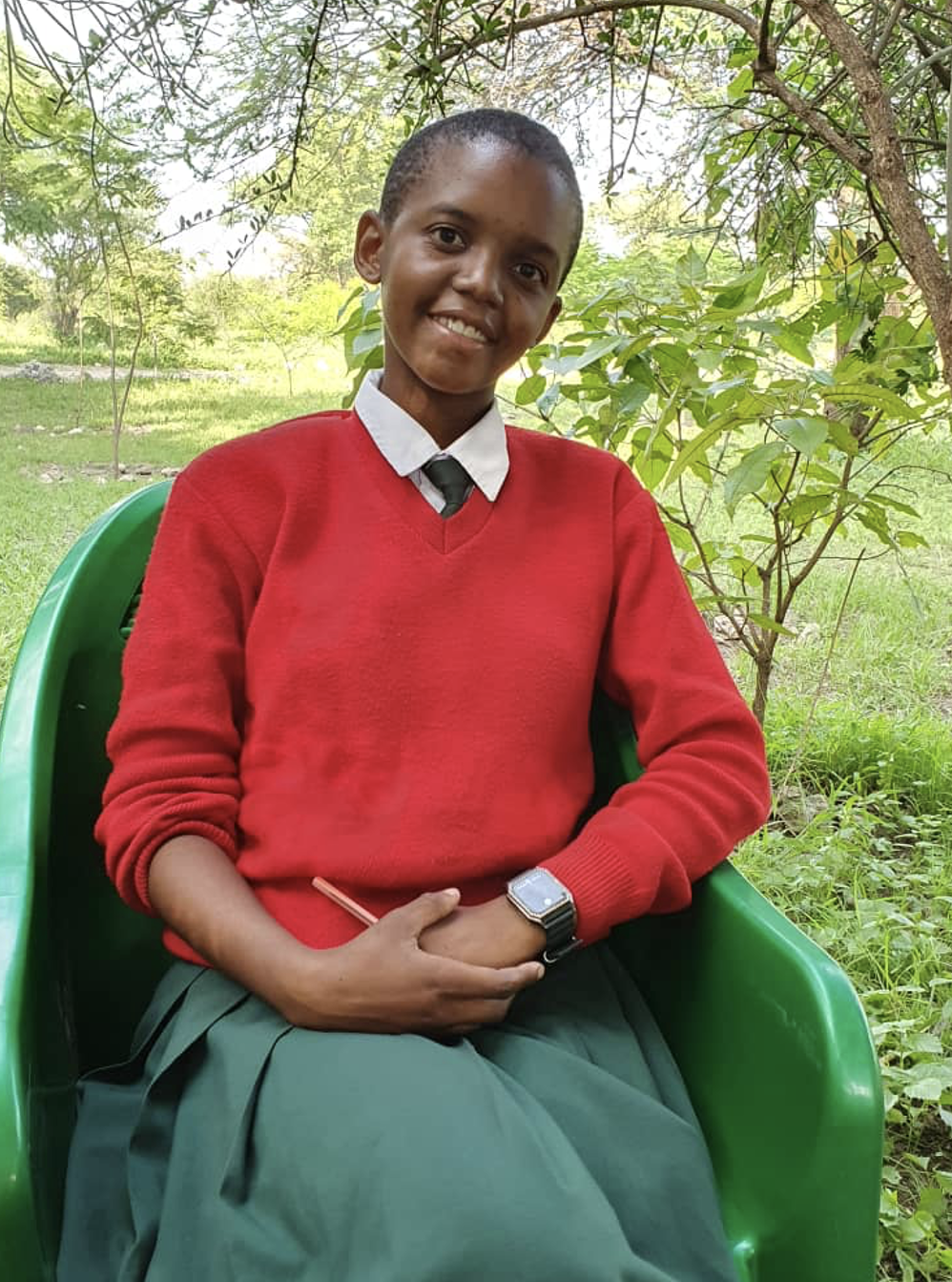
For many young people, secondary school is a time to focus on exams and dreams for the future. For Irusho, an Asante Africa alumni and secondary school student in Tanzania, it became an opportunity to challenge a reality she could no longer ignore.
Growing up in northern Tanzania, Irusho witnessed firsthand the stigma and discrimination faced by children with disabilities. The issue was not something she observed from a distance—it shaped her home life, her relationships, and the way she came to understand dignity and belonging.
“I was raised with a disabled person,” she explains. “It was difficult seeing how she was treated by other people. People would come and ask why we were keeping her at home. They would laugh at her because she couldn’t walk or use her hands. She was so lonely.”
 She remembers how that experience stayed with her—not only the discrimination itself, but the silence around it. “There was a time I just felt like, why is no one doing anything? Why do people think this is normal?” she reflects.
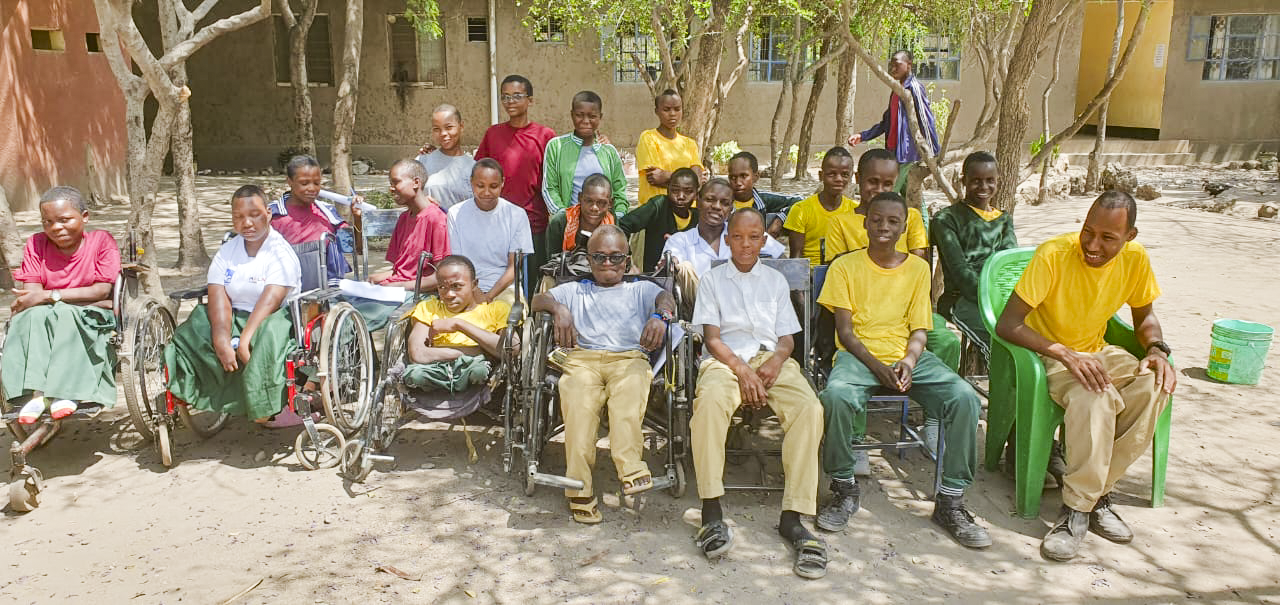
As she grew older, Irusho began to see that what happened in her home was not unique. Across her community, children with disabilities were often kept at home, and many girls were especially vulnerable to exclusion. Some were hidden away, others stopped attending school altogether after repeated stigma or lack of support.
For Irusho, staying silent was not an option.
“I knew what it felt like to see someone suffer because people believed they were less capable,” she says. “I wanted to do something to change that.”
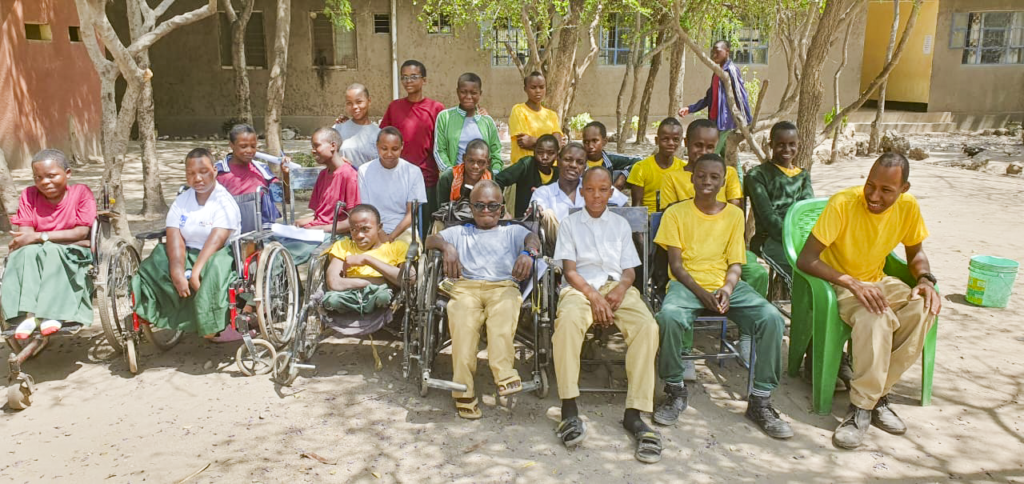
While still in secondary school, she began working with children in her community, especially those facing discrimination or risk of dropping out. What started informally grew into a sustained effort built on trust, consistency, and care.
Today, Irusho stays closely connected with the children she supports—even when they are no longer physically nearby.
“Yes, they are still at school and I have graduated with some of them,” she explains. “For the ones who are still at school, I usually communicate with the teacher. Even when I lost contact at some point, I made sure to find a way back and reconnect.”
She also maintains direct contact with the students themselves. “I communicate with them personally through WhatsApp groups. I am in four different groups right now where I stay in touch with them. That’s how I know how they are doing and how I continue supporting them.”
Her support does not stop with those still in school. She also keeps in touch with children who are at home—some of whom had once lost all hope of returning to education.
“There was one who people never believed would graduate because she had given up,” Irusho says. “But thankfully—she made it.”
Her voice softens as she reflects on the scale of her work. When asked how many young people she has impacted, she is direct but humble.
“The ones I have graduated with are 46,” she says. “And at home there are about two more I am still supporting.”

Nearly 50 young lives—each one with a different story, a different struggle, and a different journey back into learning and confidence.
Irusho’s role often shifts between mentor, advocate, and listener. She works with teachers to ensure students are not forgotten, and steps in when communication breaks down. She also supports students emotionally, especially those who feel isolated or unsupported at home.
One moment, in particular, remains deeply etched in her memory.
“The moment that touched me the most was when one of the students I was in school with lost all hope,” she recalls. “We spent the whole day talking to her. The biggest challenge was that she wasn’t getting enough support from her parents.”
It was not a quick conversation, nor an easy one. It was a long day of listening, encouraging, and simply staying present. “After seeing that situation,” she says, “it really touched me. It made me realize how much difference it makes when someone just refuses to give up on you.”
Balancing this responsibility with her own studies was not easy. Yet Irusho continued to show up—for her classmates, for younger students, and for those who had already left school but still needed someone to believe in them.
Her commitment is reflected in her academic success as well. When Tanzania’s Form Four examination results were released, Irusho achieved Division One with 14 points, demonstrating that leadership and academic excellence can go hand in hand.
But when she speaks about success, she does not begin with results.
“I think success is when someone who had given up comes back,” she says. “When a child who was at home is now in school again. That is what matters to me.”
For Irusho, the mission is far from over.
While she is proud of the nearly 50 young people she has already supported, she sees her work as only the beginning. Looking ahead, Irusho dreams of expanding her impact far beyond her own community.
“For the future, I have many plans,” she says. “When I have the ability, I would like to start my own NGO working with special groups. I would begin with women with disabilities because, from what I have observed, it is easy for them to give up if they are not supported.”
Her vision is rooted in the experiences she has witnessed throughout her life. She wants to create opportunities, mentorship, and support systems that help women and girls with disabilities recognize their potential and pursue their ambitions with confidence.
“When I start my NGO, I would like to inspire women with special needs and make sure they get the support they need,” she explains.
 Beyond her organization, Irusho hopes to see a broader transformation in society’s attitudes toward people with disabilities. Too often, she says, individuals with disabilities are overlooked, underestimated, or left with few opportunities to thrive.
“The change I would like to see in society is for people with special needs to reach new heights,” she says. “Right now, many of them are seen as beggars on the streets. My dream is that in the coming days, as science and technology continue to grow, they will have opportunities to prosper and succeed.”
She pauses before describing what that future looks like in her mind.
“I want to see them in offices. I want to see them achieving their goals and reaching their full potential.”
On this Day of the African Child, Irusho’s story is not only about the nearly 50 young people whose lives she has already touched. It is about a young leader who refuses to accept exclusion as inevitable and who is working toward a future where every child—regardless of ability—has the chance to learn, belong, and dream without limits.