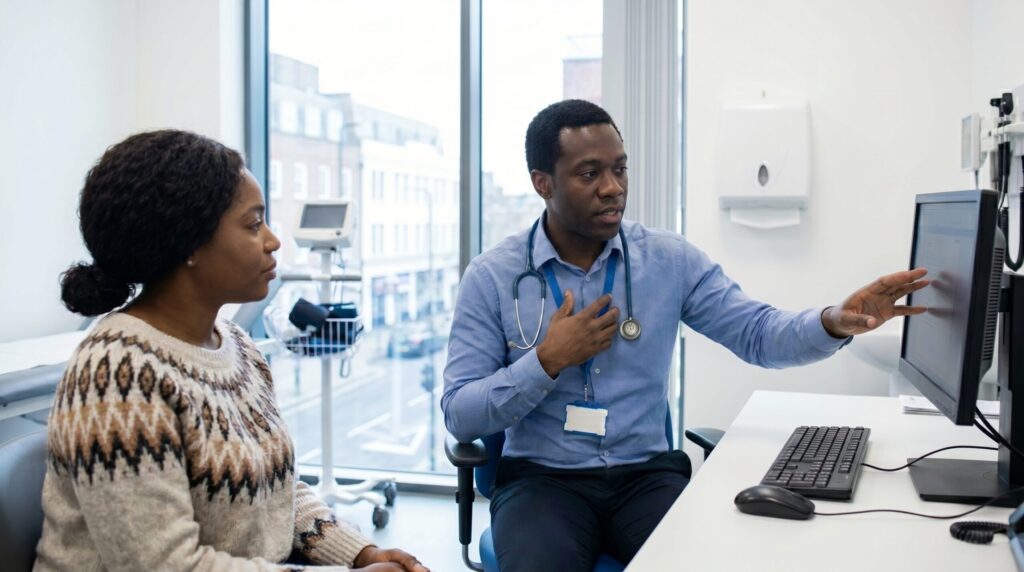
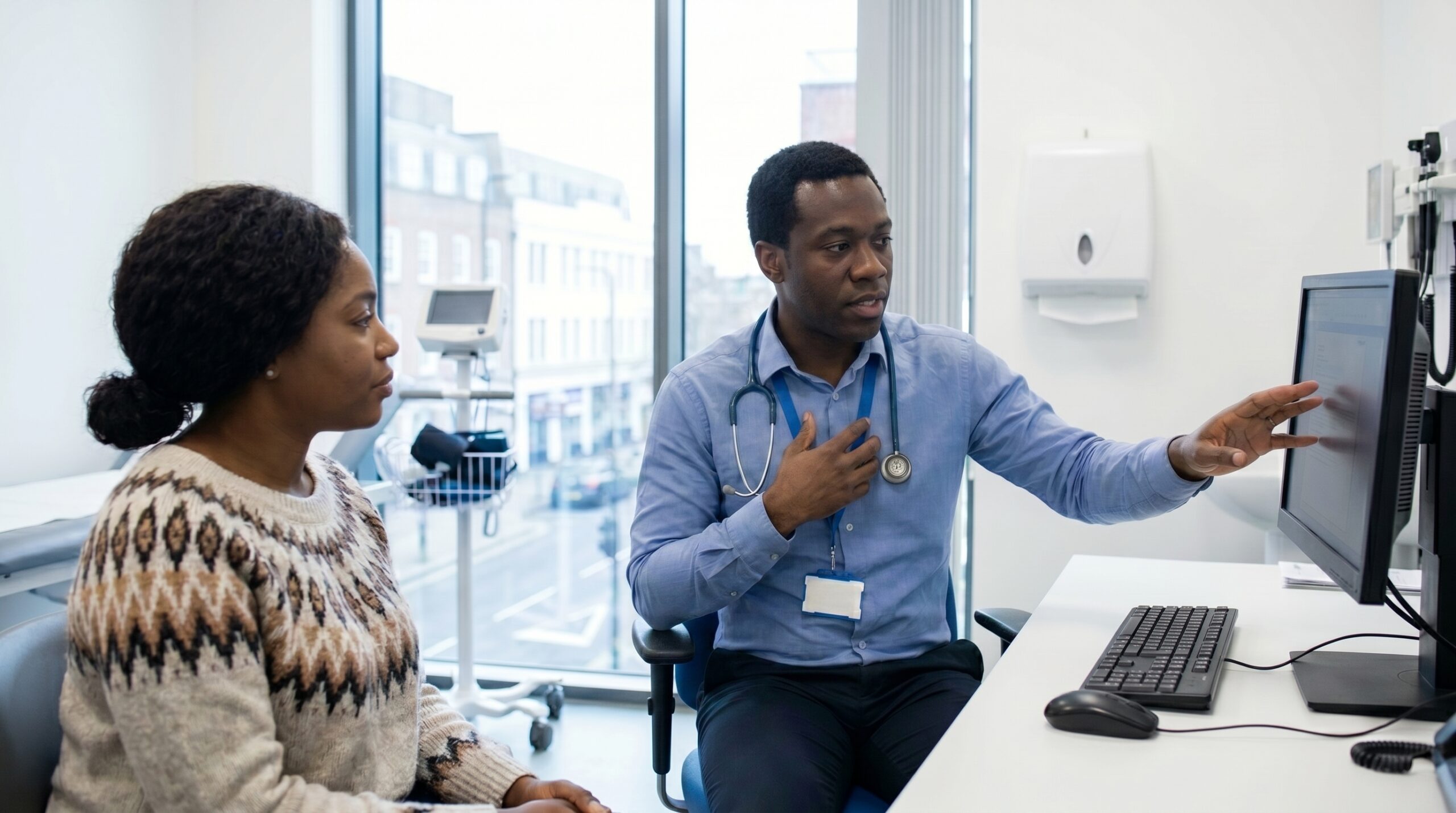
You went to the hospital with irregular periods, unexplained weight and skin that suddenly had opinions. The doctor looked at your scan and said, “You have polycystic ovary syndrome. It’s common. Here’s a prescription.” You left with simply that name without much explanation. But that name – polycystic ovary syndrome – has now been retired. On May 12, 2026, after 14 years of global research, a landmark paper in The Lancet officially renamed the condition to Polyendocrine Metabolic Ovarian Syndrome, or PMOS. The world’s leading medical organisations endorsed it. The rename is not a rebrand of some sort. It is a correction.
Why? Because the old name was lying to us
Polycystic means many cysts. But you do not actually need cysts to have this condition. The follicles seen on ultrasounds are not cysts in the traditional sense. They are immature eggs that did not complete their development cycle. Plenty of women with every symptom show perfectly normal-looking ovaries on a scan.
In Nigeria, the scan results often serve as the starting and ending point for diagnoses. If your ovaries appeared normal, you would be sent home, leaving any underlying issues unaddressed. Women frequently cycled through dermatologists for acne, dietitians for weight management, and fertility specialists for infertility. Unfortunately, there was no coordination among these specialists because the terminology used did not imply that a comprehensive picture needed to be addressed.
So what does PMOS mean?
To break it down simply.
Polyendocrine: multiple hormones are involved, not just what your ovaries produce.
Metabolic: This condition affects how your body processes energy. Insulin resistance is common in PMOS patients, including women at a healthy weight. Nigerian women who are slim are routinely told they cannot have a metabolic problem. But thinness is not the same as metabolic health. Ovarian stays because the ovaries are still central, particularly around fertility and menstrual cycles.
The new name is saying that this is a whole-system hormonal problem. Your metabolism is involved, whether your doctor has been checking for it or not.
Why Nigerian women keep getting missed
In Nigeria, where faith is considered a tool to cure health, many women in Nigeria with symptoms such as irregular periods, weight gain, acne and thinning hair often go unchecked for years. These issues are frequently attributed to stress, lifestyle choices, or genetics, one consultation at a time. When anxiety and mood shifts occur, which affect up to 39 per cent of women with this condition, the common response is often simply to just pray or be strong. Because these symptoms are not recognised as part of a connected system, the underlying hormonal imbalance continues to persist, quietly increasing the risk of type 2 diabetes, high blood pressure, and heart disease.
A 2025 study published in the International Journal of Research and Scientific Innovation found that knowledge and understanding of PCOS among Nigerian women are limited, contributing directly to delayed diagnosis and poor management. Many women only find out they have it when infertility finally forces the conversation. By then, the condition has often already done quite damage. The new name gives patients language they can take into a consultation room. Language that makes it harder to be dismissed.
What to do right now
Your existing PCOS diagnosis is still valid. But the conversation around treatment should shift. If your doctor has only spoken to you about fertility or periods, you can now reasonably ask about your insulin levels, metabolic health and cardiovascular risk.
A more complete assessment should include a fasting insulin test, not just a blood sugar check. A full hormonal panel covering testosterone, luteinizing hormone, follicle-stimulating hormone, and prolactin. A mental health conversation, since anxiety and depression are recognised features of PMOS that rarely get addressed. And blood pressure and cholesterol checks, even if you are young.
The post Jennifer Orisakwe: PCOS Has Been Renamed To PMOS – How It Concerns You as a Nigerian Woman appeared first on BellaNaija – Showcasing Africa to the world. Read today!.
You went to the hospital with irregular periods, unexplained weight and skin that suddenly had opinions. The doctor looked at your scan and said, “You have polycystic ovary syndrome. It’s common. Here’s a prescription.” You left with simply that name without much explanation. But that name – polycystic ovary syndrome – has now been retired.
The post Jennifer Orisakwe: PCOS Has Been Renamed To PMOS – How It Concerns You as a Nigerian Woman appeared first on BellaNaija – Showcasing Africa to the world. Read today!. Read More