
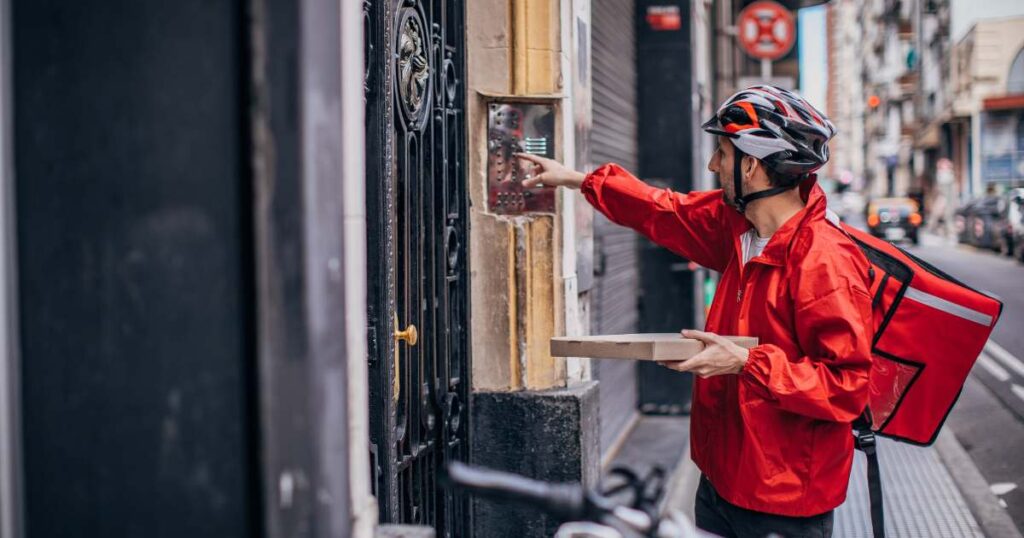
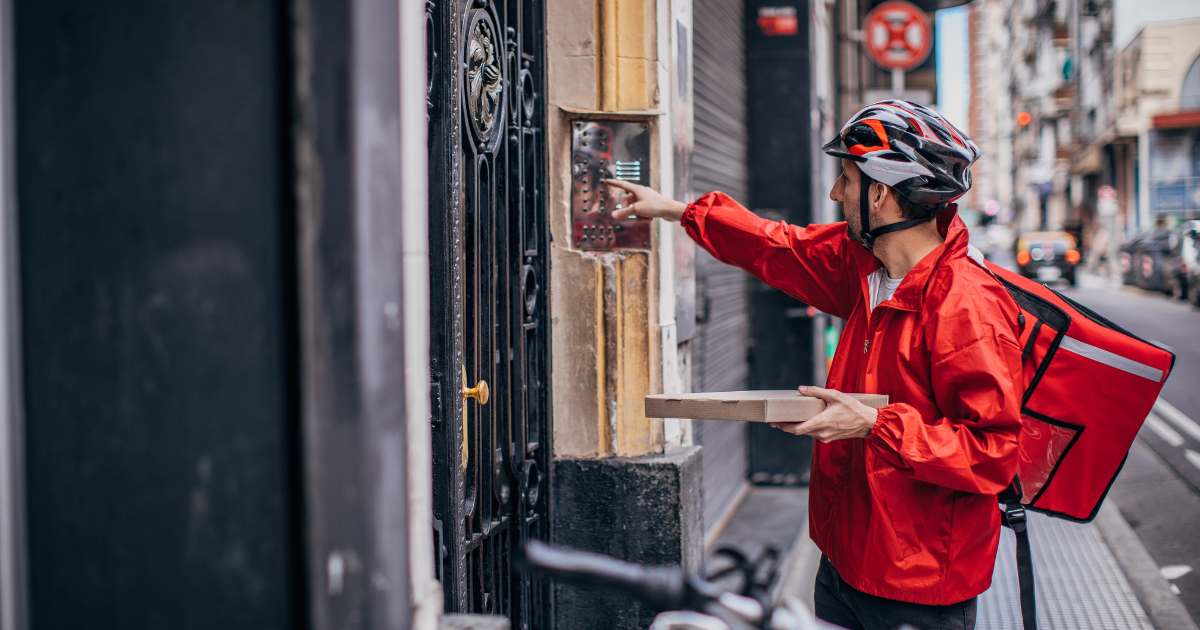
E-commerce has drastically changed how deliveries and fulfilments are done in various sectors. From independent designers being able to send clients their garments via delivery services like Pep PAXI to food merchants leveraging platforms like Uber Eats to target larger audiences. The dilemma that now exists for food merchants is whether to join a delivery partner or offer in-house delivery.
South Africa’s on-demand food and grocery sector is booming, driven by a strong shift toward convenience, increased smartphone penetration, and expanding delivery infrastructure. In 2013, the annual revenue for online retail in South Africa amounted to R4,43 billion, growing to over R71 billion in 2023 and expected to break the R100 billion mark in 2026.
Small to medium-sized enterprises (SMEs) and solo food entrepreneurs are in a critical position. You can take advantage of the food and grocery platforms available for order fulfilment, at the expense of people inside your establishment. Or, you can offer your own delivery and lose out on potential clients who might live outside your delivery areas.
In this article, we dive into what a delivery partner is and how in-house delivery works, as well as the pros and cons of each. By the end, you will know which strategy works best for your business.
What is a Third-Party Delivery Partner?
A third-party delivery partner is an external platform like Uber Eats or MrD that manages the logistics of bringing food from a restaurant to a customer’s door. Instead of a restaurant maintaining its own delivery drivers, the business outsources ordering and delivery to these platforms.
These platforms manage the entire customer journey, from marketing the restaurant on their apps, providing a secure payment gateway to coordinating the delivery logistics with a fleet of independent drivers.
This process is completely different from a food merchant offering in-house delivery services.
What is In-House Delivery?
In-house delivery is a strategic approach where businesses establish and manage their own delivery systems instead of using third-party systems. By leveraging their own fleet of vehicles, employing dedicated delivery staff, and implementing efficient logistics, these businesses are able to have direct control and optimise their entire delivery process.
Pros and Cons of Third-Party Delivery
These are the advantages and disadvantages of partnering with a third-party delivery provider.
Pros
1. Potential New Clients
Working with a third-party delivery provider can bring you new clients as each platform has loyal users. This increased visibility can be significantly convenient for SMEs and those with dark kitchens. Also, you can work with as many delivery partners as you need to expand your reach.
2. Resources, Experience and Expertise
Third-party apps have a lot of experience, resources and expertise that your restaurant may not have yet. Working with an external party means you can scale your business efficiently. And building on your third-party partner’s experience and following their approach can help your business with order fulfilment.
3. Positive Customer Experience
Outsourcing delivery allows you to focus on your core business, which is preparing delicious food and creating a positive, memorable customer experience. Focusing on both food preparation and order fulfilment can lead to you being distracted from your end product and leaving a negative customer experience.
4. Ready-made Infrastructure
Partnering with online ordering platforms comes at a cost, but it allows you to avoid costly investments. You will benefit from the platform’s ready-made infrastructure, including a network of delivery drivers, delivery tracking and secure payment methods.
Cons
1. Additional Fees
Third-party delivery companies charge commission fees. Depending on the size and margins of your business, these fees may not be feasible, even when considering the infrastructure and resources you receive in return.
2. Loss of Control
Leveraging food delivery apps means you lose control over the delivery experience. Your business has no say in delivery staff training or how your food will be delivered to your customers.
3. Impact on Business with Bad Deliveries
If the delivery person from the app provides a bad delivery experience, your business can be impacted even though you are not responsible. Most customers blame the restaurant and not the delivery service if anything goes wrong.
4. Loss of Communication with End Customer
Hiring an external service can result in losing communication with your end customer. Maintaining the positive brand awareness and customer experience necessary becomes more difficult as you have no direct line of communication with your clients.
In-House Delivery Pros and Cons
These are the pros and cons of providing your own delivery service.
Pros
1. Reach a Large Audience of Direct Customers
There is still a large majority of people who prefer ordering directly from the restaurant because it’s cheaper. This means that if you set up your own delivery service, you can potentially reach a vast audience of customers looking to order directly from your own restaurant.
2. Regain Control over Delivery Experience
By not outsourcing delivery, your restaurant can regain control over the delivery experience. By keeping the delivery service in-house you can create a top-notch customer experience and ensure customer loyalty.
3. Removes Communication Barriers
Choosing to offer your own delivery service removes communication barriers associated with third-party delivery. You will be able to stay in touch with your customers throughout their orders, making it easier to obtain feedback and implement changes where necessary.
4. No Additional Fees
While running your own delivery system requires serious investment, not having to pay commission can save you lots of money in the long run. Restaurants often adjust online prices to cover platform commission fees, which can deter customers from ordering. By not paying commission fees, you can keep prices lower and make your business more accessible to potential customers.
5. Easy to Update Your Own System
Updating your online offering will be much easier if you run your entire delivery operation. A common complaint when working with third-party delivery companies is that adjusting prices and menu items can take a while, as changes must first be approved by the delivery platform.
Cons
1. Requires Heavy Capital Investment and Expertise
Setting up a delivery service requires a lot of capital investment and expertise. You will need to purchase a fleet of vehicles, choose a reliable payment system, insure your drivers, and figure out how to track deliveries. The ability to scale your business depends on the amount of capital you have.
2. Requires Full Accountability
Running an in-house delivery service is all about accountability. You cannot pass the responsibility to a third-party delivery company when something goes wrong. Delivery platforms can offer vouchers relatively quickly to make up for wrong, cold, or messy orders; restaurants must ask themselves how they will handle bad delivery experiences.
3. Less Visibility to Potential Customers
Despite the high number of orders through restaurant apps or websites, not partnering with a delivery service can result in less visibility and potential customers. Your existing clients may order directly from your app, but how will you expand your reach? Marketing in-house delivery may require a higher investment than joining third-party platforms, bringing you a new pool of customers.
Both third-party and in-house delivery options have their own pros and cons. Before you decide which route to take, make sure it aligns with your business. Also, there is the option of adopting a hybrid model which does both in-house and third-party delivery.
E-commerce has drastically changed how deliveries and fulfilments are done in various sectors. From independent designers being able to send clients their garments via delivery… Read More