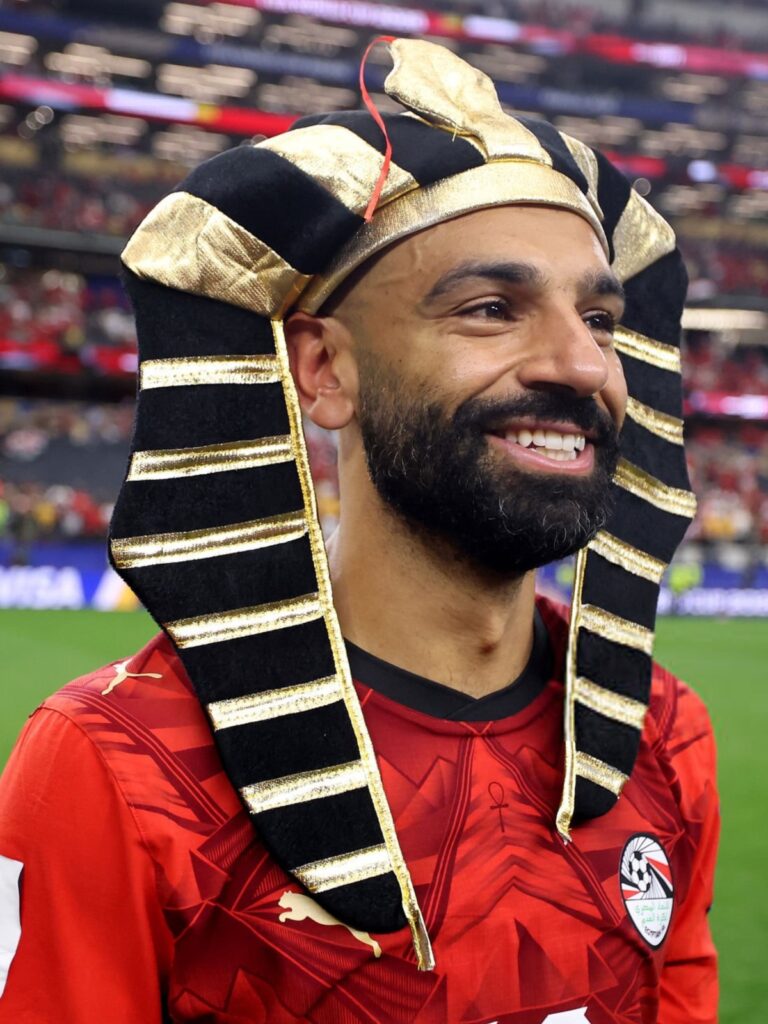
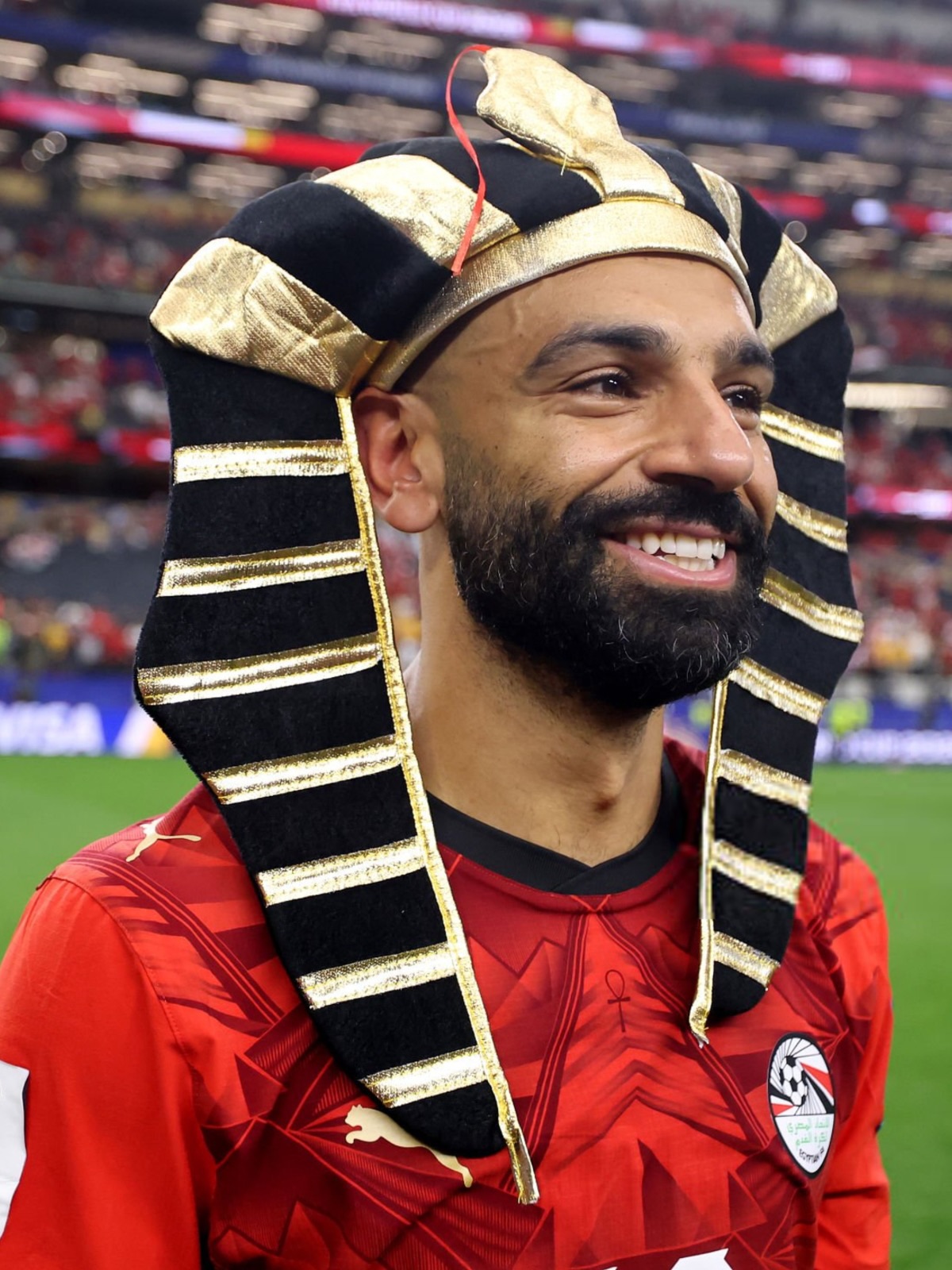
Egyptian forward Mohamed Salah celebrates his national team’s historic 2026 World Cup run wearing a black and gold Egyptian pharaoh headdress. Photo Credit: Mohamed Salah/Instagram
Africa arrived at the 2026 FIFA World Cup in force, and the continent left having rewritten its own history books. In a historic showing, nine of Africa’s ten representatives successfully reached the Round of 32. This marks the first time the continent has ever advanced such a high proportion of its teams through the group stage. Before this expanded 48-team tournament, the maximum number of African teams to ever reach the World Cup knockout stage in a single edition was two. This year, nine went through.
Here is exactly how the historic campaign unfolded.
The Group Stage
Only Tunisia failed to advance from the opening stage, missing out on qualification in a challenging Group F. The remaining nine African representatives secured their progress. Collectively, African teams recorded 10 wins, 10 losses, and 10 draws during the group stage—a perfectly balanced record that proved more than enough to secure spots in the expanded knockout format.
Morocco led the charge for the continent, holding Brazil to a 1-1 draw on their way to finishing second in Group C. Egypt made history by recording their first ever World Cup match win before finishing second in Group G.
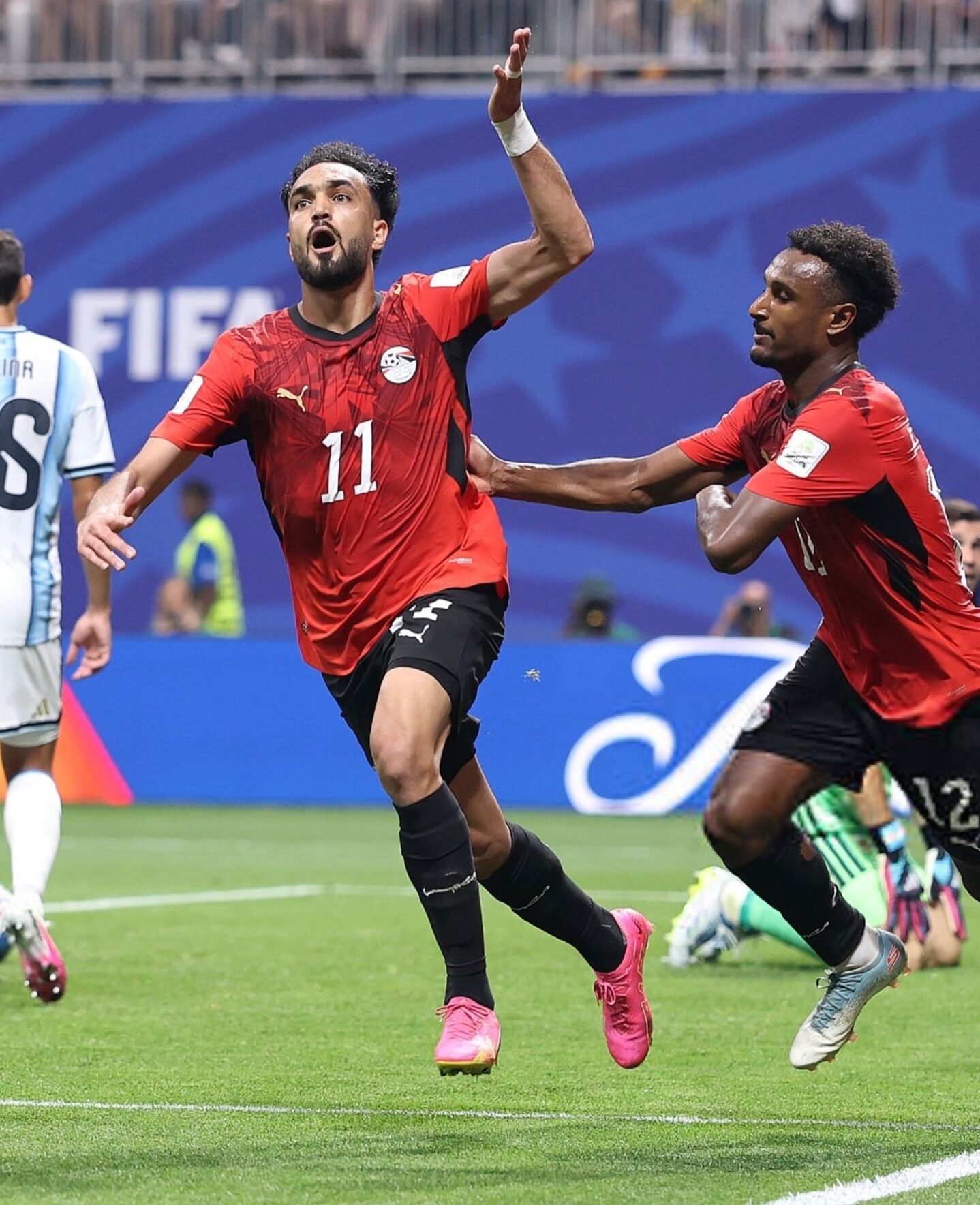
Defender Yasser Ibrahim celebrates scoring his 15th-minute header past Argentina at Atlanta Stadium. Photo Credit: CAF/Instagram
Meanwhile, debutants Cabo Verde became one of the most remarkable stories of the entire tournament. Going unbeaten with three draws against Spain, Uruguay, and Saudi Arabia, they advanced in style from Group H.
At the heart of this fairytale run was their veteran 40-year-old goalkeeper, Josimar José Évora Dias, affectionately known to the world as Vozinha. Born during the 1986 World Cup and named after the famous Brazilian defender Josimar, the veteran became a global sensation on his World Cup debut against Spain. Making eight crucial saves to secure a historic 0-0 draw, he claimed the Player of the Match title and set a world record as the oldest goalkeeper to keep a clean sheet on a World Cup debut.
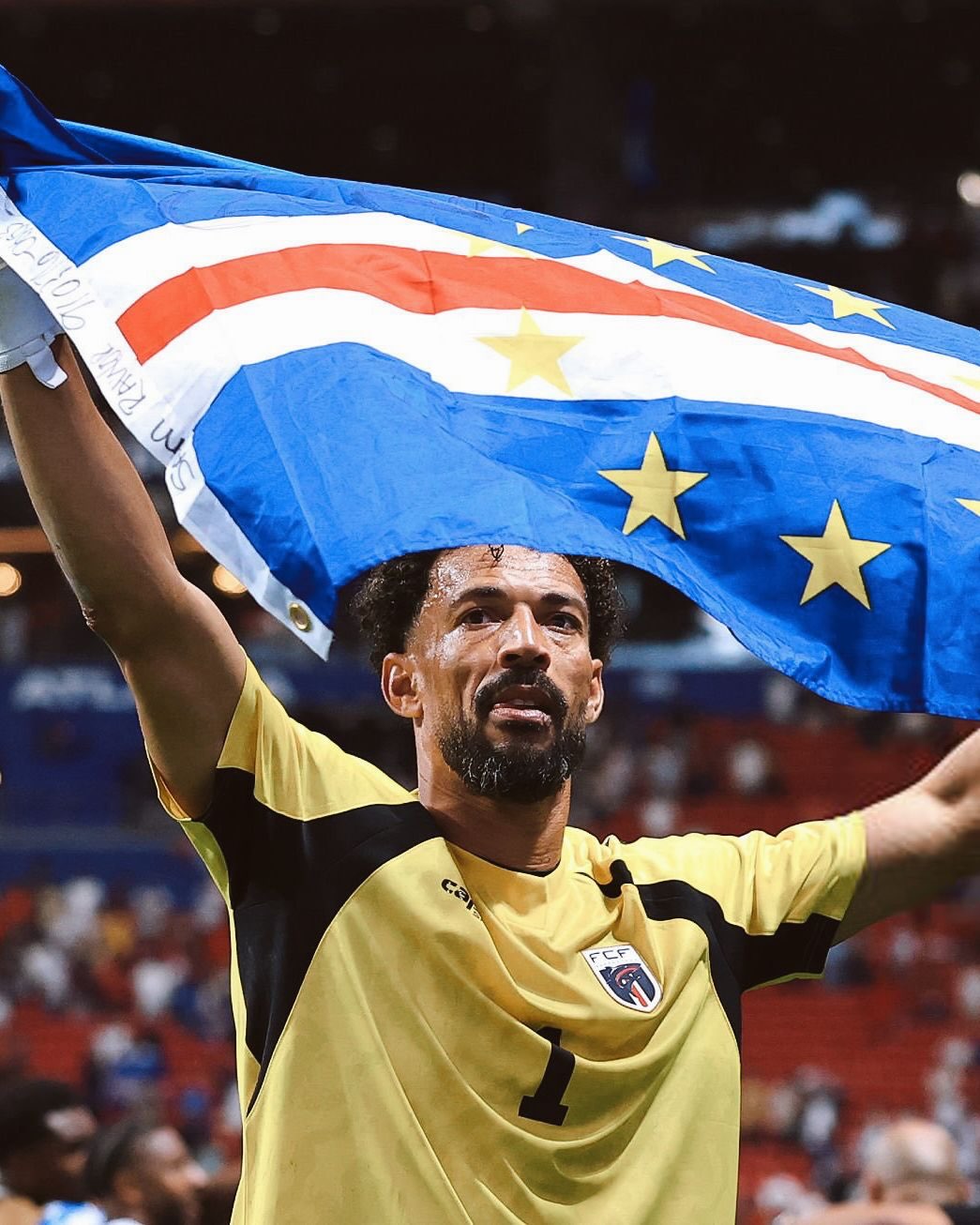
Goalkeeper Vozinha smiling and holding the blue, white, and red national flag of Cabo Verde above his head in the stadium. Photo Credit: Vozinha/Instagram
Elsewhere, Côte d’Ivoire secured second place in Group E, South Africa finished as runners-up in Group A, while Algeria, DR Congo, Ghana, and Senegal all advanced as part of the best third-placed teams across the groups.
The Round of 32
The newly introduced Round of 32 turned into a highly competitive phase where seven of Africa’s remaining campaigns came to a close after hard-fought performances.
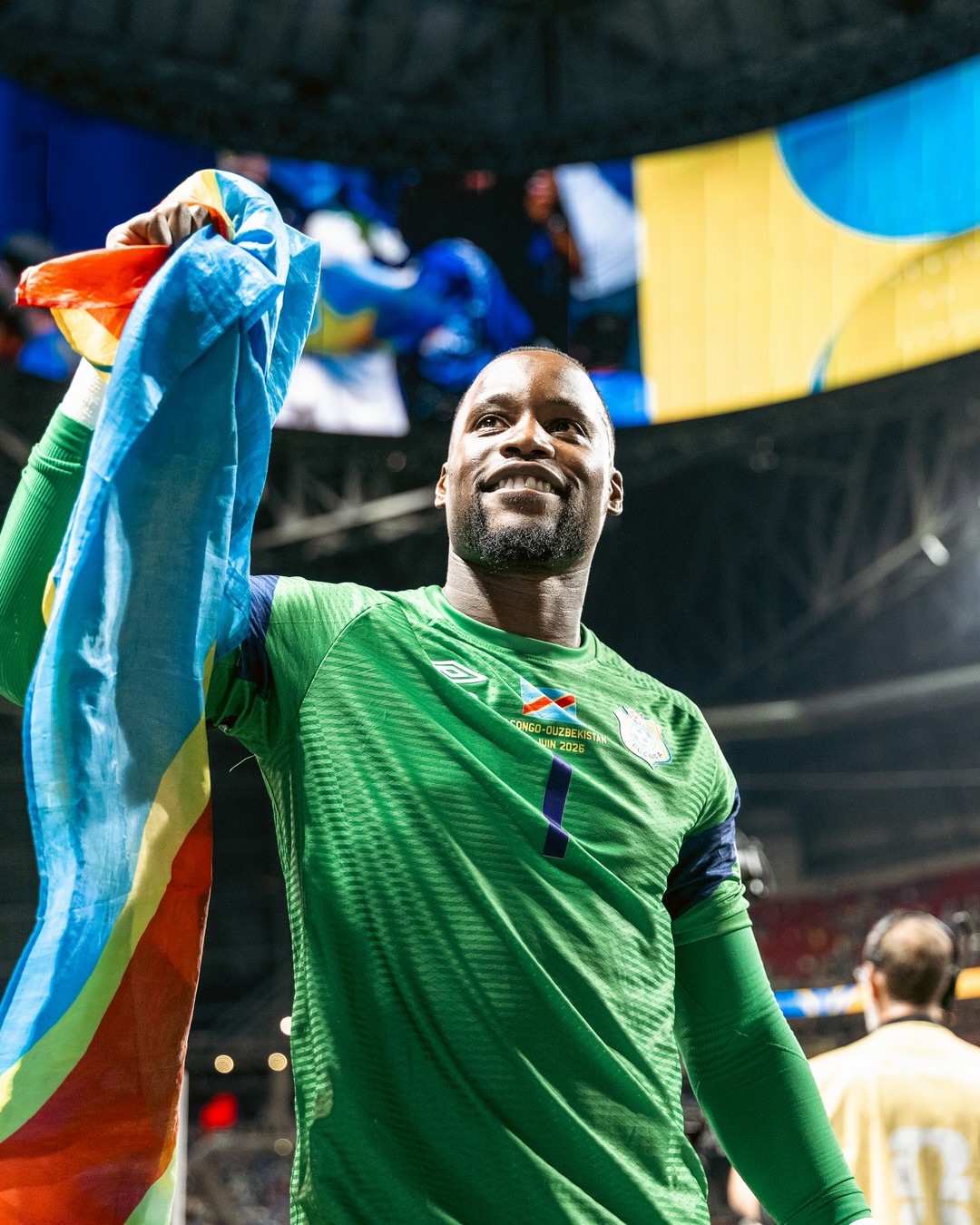
Lionnel Mpasi celebrates on the pitch with fans after an international match for the Leopards. Photo Credit: Lionnel Mpasi/Instagram
Morocco and Egypt were the two African nations to survive the Round of 32. Morocco beat the Netherlands on penalties, winning 3-2 after a 1-1 draw, while Egypt beat Australia 4-2 on penalties after the match finished 1-1. Egypt’s win was historic, their first ever World Cup knockout stage victory.
The Round of 16
Egypt’s historic tournament journey came to an end in the Round of 16 against defending champions Argentina. In a highly publicised fixture in Atlanta, Argentina claimed a narrow 3-2 victory in a match that included several controversial officiating decisions.
Meanwhile, Morocco kept the African flag flying high with a clinical 3-0 victory over Canada at NRG Stadium in Houston, becoming the first African nation in history to reach consecutive World Cup quarter-finals.
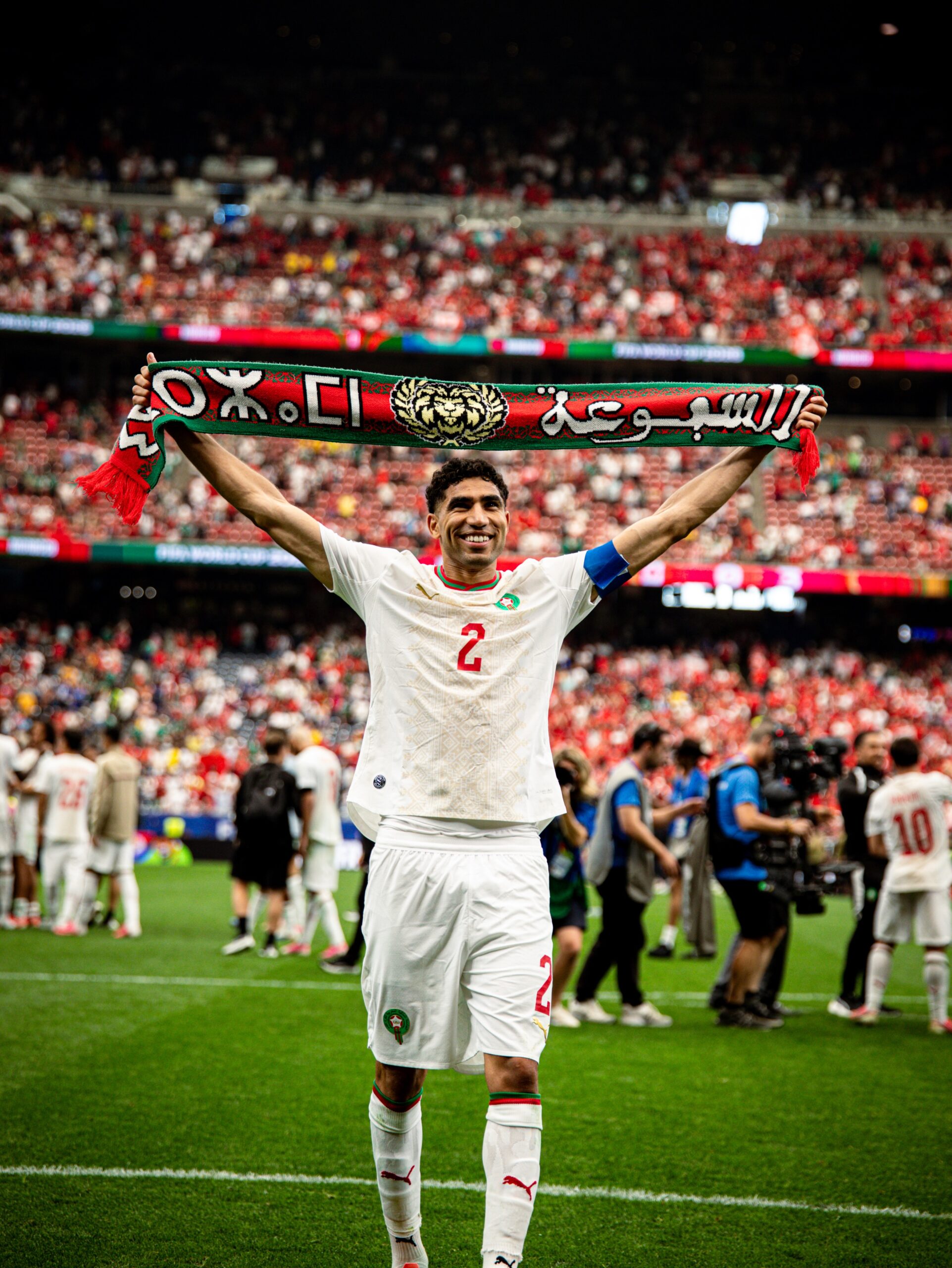
Achraf Hakimi celebrates at the 2026 FIFA World Cup as Morocco defeats Canada to secure a historic place in the quarter-finals. Photo Credit: Achraf Hakimi/Instagram
The Quarterfinals
The final continental campaign concluded in Boston, where the Atlas Lions faced France in a highly anticipated rematch of their 2022 semi-final encounter.
Following a goalless first half where goalkeeper Yassine Bounou successfully denied a Kylian Mbappé penalty, France broke the deadlock after the interval. Kylian Mbappé scored in the 60th minute, followed quickly by an Ousmane Dembélé strike in the 66th minute to wrap up a 2-0 victory for the European side. Morocco battled resolutely but missed the attacking presence of the injured Ismael Saibari, bringing an end to an extraordinary campaign.
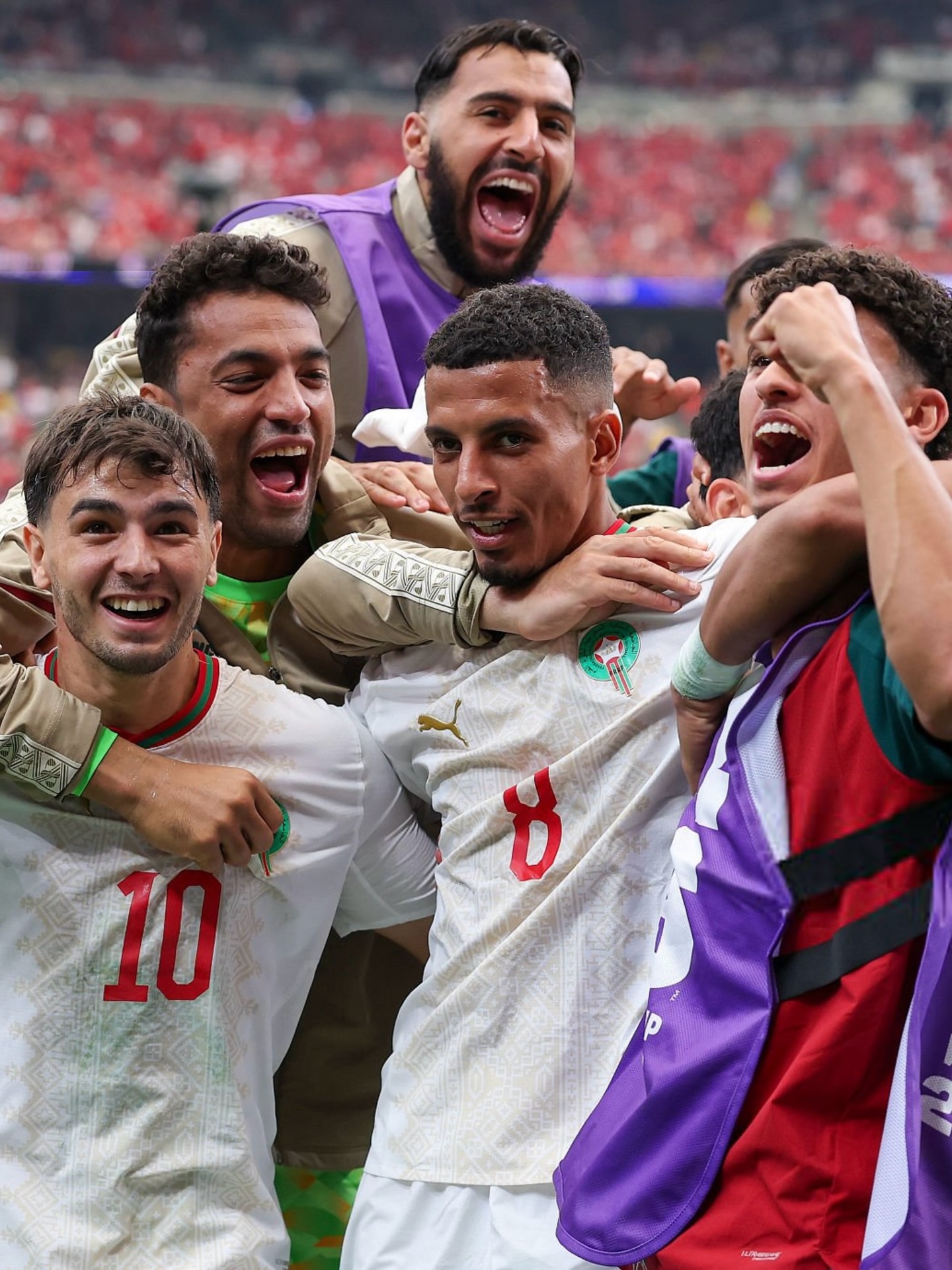
Azzedine Ounahi celebrates with his teammates after scoring against Canada to help seal Morocco’s place in the 2026 FIFA World Cup quarter-finals. Photo Credit: CAF/Instagram
With nine teams making it out of the groups, historic milestones achieved by Egypt and Cabo Verde, and Morocco solidifying their elite status with back-to-back quarter-final appearances, the continent has set a clear benchmark for future tournaments. Attention now shifts to preparation for the 2030 World Cup, which Morocco will proudly co-host on African soil.
The post From the Group Stage to the Quarterfinals: How Africa Performed at the 2026 FIFA World Cup appeared first on BellaNaija – Showcasing Africa to the world. Read today!.
Ten African nations qualified for the 2026 FIFA World Cup, with a record nine teams reaching the knockout stage before Morocco’s final exit in the quarter-finals.
The post From the Group Stage to the Quarterfinals: How Africa Performed at the 2026 FIFA World Cup appeared first on BellaNaija – Showcasing Africa to the world. Read today!. Read More