There is a particular kind of energy in a room full of women who have built something from nothing. Women who walk with grace, carrying the challenges and triumphs of building and sustaining a successful business. It is part soft, part quiet fire.
This energy was on full display at the Veuve Clicquot Bold Woman Award, a ceremony that has found its home in South Africa for the past five years.
SME South Africa was on the ground to experience it, and sat down with Aimee Kellen, Regional Marketing Director for the Middle East and Africa at Moët Hennessy, to unpack why the brand chose this moment and this country to bring one of its most prestigious global platforms to South African soil.
From One Woman to a Global Community
To understand the Bold Woman Award, you must have a look at the history behind it. Madame Clicquot was widowed at just 27 years old, and in an era when women could not even open a bank account, she stepped into the family business and turned it into an empire. Not only did she survive a male-dominated industry, she reshaped it.
She introduced innovations still used in champagne-making today, such as the riddling table that gives us the clear champagne we drink.
“It’s really her legacy that we want to keep alive,” Kellen said. “It was her passion, her innovation, her pioneering spirit that we want to celebrate.”
That spirit has powered the award in multiple countries for years. But for Veuve, bringing it to South Africa wasn’t just about extending a global franchise; it was about responding to something the brand had actually measured.
Using Data to Drive Impact
Veuve Clicquot ran a barometer study to understand the barriers entrepreneurial women face and why, despite those barriers, so many still choose the path anyway. South Africa was part of that research, and the results were striking.
“There are so many women who are entrepreneurs that want to be entrepreneurs more than in other parts of the world, which is amazing. One of the things they needed was visibility… they needed exposure.”
This finding motivated the recognition of women entrepreneurs. Because Bold Woman operates as an international platform, South African winners don’t just get local recognition; they get connected to a worldwide network of past honourees.
Finding the Bold Ones
With so many worthy entrepreneurs across South Africa’s industries, we wondered how the jury decides who actually embodies the “bold” in Bold Woman. Kellen was candid about the process. There’s a deliberately diverse jury, working against a consistent set of global criteria.
Candidates need to show they are pioneers, people who disrupt and change the industries they operate in, in the same spirit as Madame Clicquot herself. Beyond that, the jury looks for a conscious approach to business. There needs to be evidence of real impact on the surrounding community and a sustainable mindset. The jury then votes collectively, weighing not just a single achievement but the long-term trajectory of the business.
“It’s important for us that we champion women that we truly believe are going to be trailblazers in the future,” Kellen said.
She pointed to two finalists from previous years whose stories capture just how wide the definition of “bold” can stretch. One was Londy Ncgobo, described as the first-ever dredge master, a title from a field almost nobody associates with women’s entrepreneurship. “When I asked her, what makes you a bold woman?” Kellen recalled, “She said, ‘Aimee, we’re underutilising the potential of the economy in the sea.’”
Then there’s Gugu Sithole, founder of Glamping Adventures, a business built around access to South Africa’s natural beauty. “She said, ‘Aimee, it’s an atrocity that the majority of this population haven’t been able to see our beautiful country,’” Kellen said.
It’s a reminder that boldness, in this award’s framing, isn’t confined to tech or finance. Last year’s winner was Sisonke Tea Crafters, a business built on cultivating and preserving indigenous knowledge, turning generational tradition into a product, and, in doing so, keeping that knowledge alive for the next generation.
More Than a Trophy
Perhaps the most distinctive part of the Bold Woman Award isn’t the ceremony itself; it’s what happens after the awards ceremony. The jury doesn’t simply crown a winner and move on; each juror commits to mentoring a finalist going forward, matched according to what that entrepreneur actually needs.
“Depending on what they’re needing, if it’s branding, I sort of sit in for that because of my experience,” Kellen said, describing her own role.
“We pair people up to kind of support each one in a different way. Some people are better at selling their businesses to certain people. Some people need media training.” With senior figures from banking also seated on the jury, finalists leave with more than recognition – they leave with a support structure.
Putting South African Female Entrepreneurs on the Map
South African women are entering entrepreneurship in high numbers, often breaking the status quo and revolutionising industries. With a reputable brand like Veuve Clicquot supporting initiatives run and owned by women, the barriers can be overcome.
We have so many incredible women in this country, and brands like Veuve Clicquot have propelled their voices.
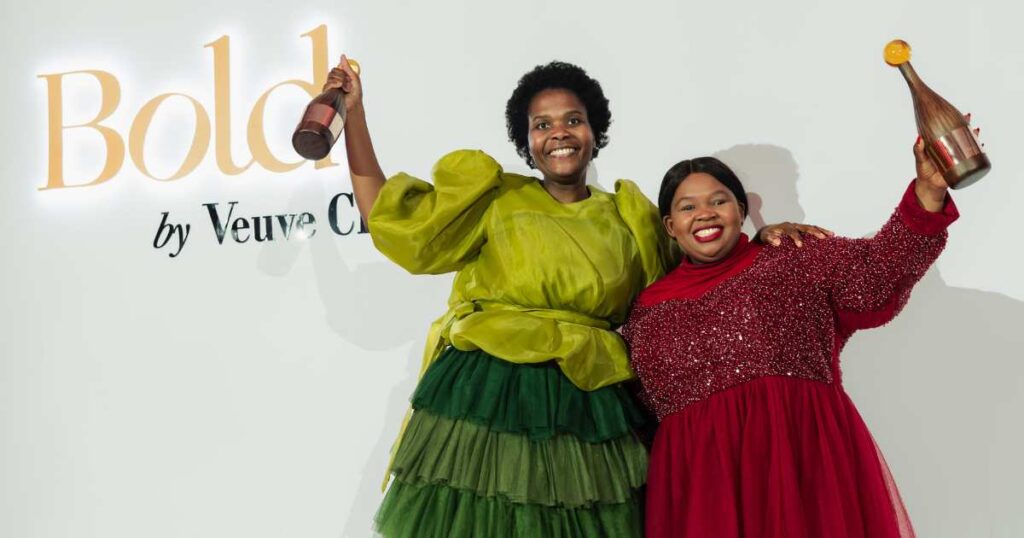
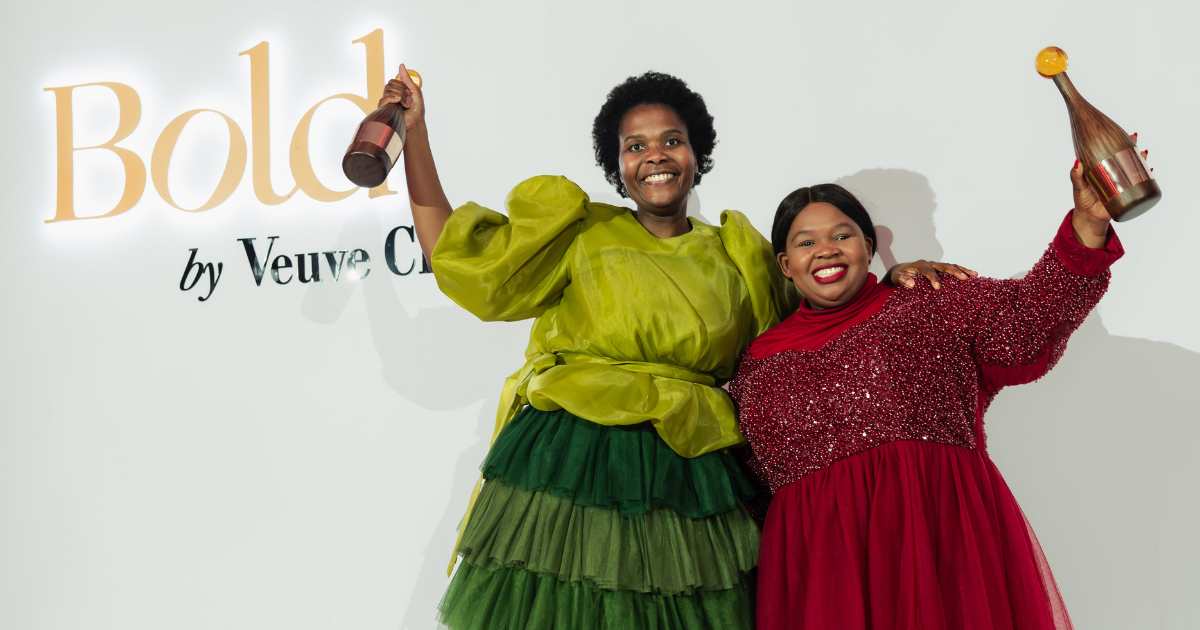
This year’s Bold Woman Award winner is Lindiwe Nkuna-Kgopa, founder of Lindiwe Sanitary Pads, Africa’s first large-scale sanitary pad manufacturing facility owned and operated entirely by women. The 2026 Bold Future Award winner is Pretty Kubyane, co-founder & tech lead of eFama App, who is transforming agricultural supply chains across Africa through technology, AI and data-driven infrastructure.
There is a particular kind of energy in a room full of women who have built something from nothing. Women who walk with grace, carrying… Read More