
How to Create Strong Youth Leaders in Kenya
 Kenya’s national motto is Harambee, a Swahili word meaning “all pull together.” For generations, it has represented the belief that communities thrive when people work together toward a common goal: a philosophy rooted in collective responsibility, resilience, and service to others.
That same spirit runs through the country’s next generation of leaders. Young people are identifying challenges in their communities and building practical solutions through innovation, entrepreneurship, and collaboration, thereby improving agricultural practices, protecting natural resources, and launching small businesses. Leadership, for them, isn’t defined by age or title. It begins with a willingness to serve.
At Asante Africa Foundation, this belief drives its Youth Empowerment Services. Rather than telling young people how to lead, the Foundation equips them with the knowledge, confidence, and practical experience to lead within their own communities.
Why Kenya’s Youth Matter
Kenya is one of Africa’s youngest nations. That youthful population is one of the country’s greatest strengths, but many young people, particularly in rural communities, still face unemployment, unequal access to education, and the effects of climate change on agriculture and livelihoods.
Asante Africa Foundation’s own apprenticeship data underscores the stakes: the young people entering its programs typically come from families living on less than $5 a day. Given the right training and mentorship, that starting point can change fast; apprentices in the Foundation’s Digital Employability and Entrepreneurship Program have gone on to more than triple average family income.
Leadership development here isn’t just about preparing young people for future careers. It’s about equipping them to respond to the challenges in front of them right now.
Leadership Training Begins with Listening
Effective leaders understand the communities they serve before trying to change them. A defining feature of Asante Africa’s leadership training for youth is that students start by identifying local needs: observing, asking questions, working together to understand what’s affecting their families and neighbors, whether that’s clean water, food security, environmental conservation, or income generation.
Young people aren’t simply the leaders of tomorrow. They’re already capable of leading today.
Learning Through Action
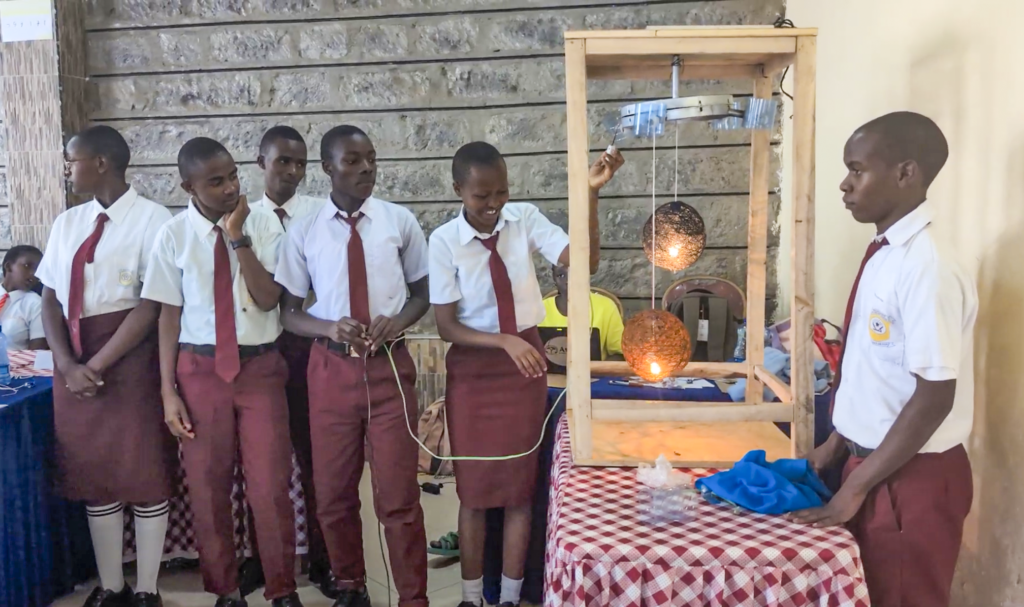
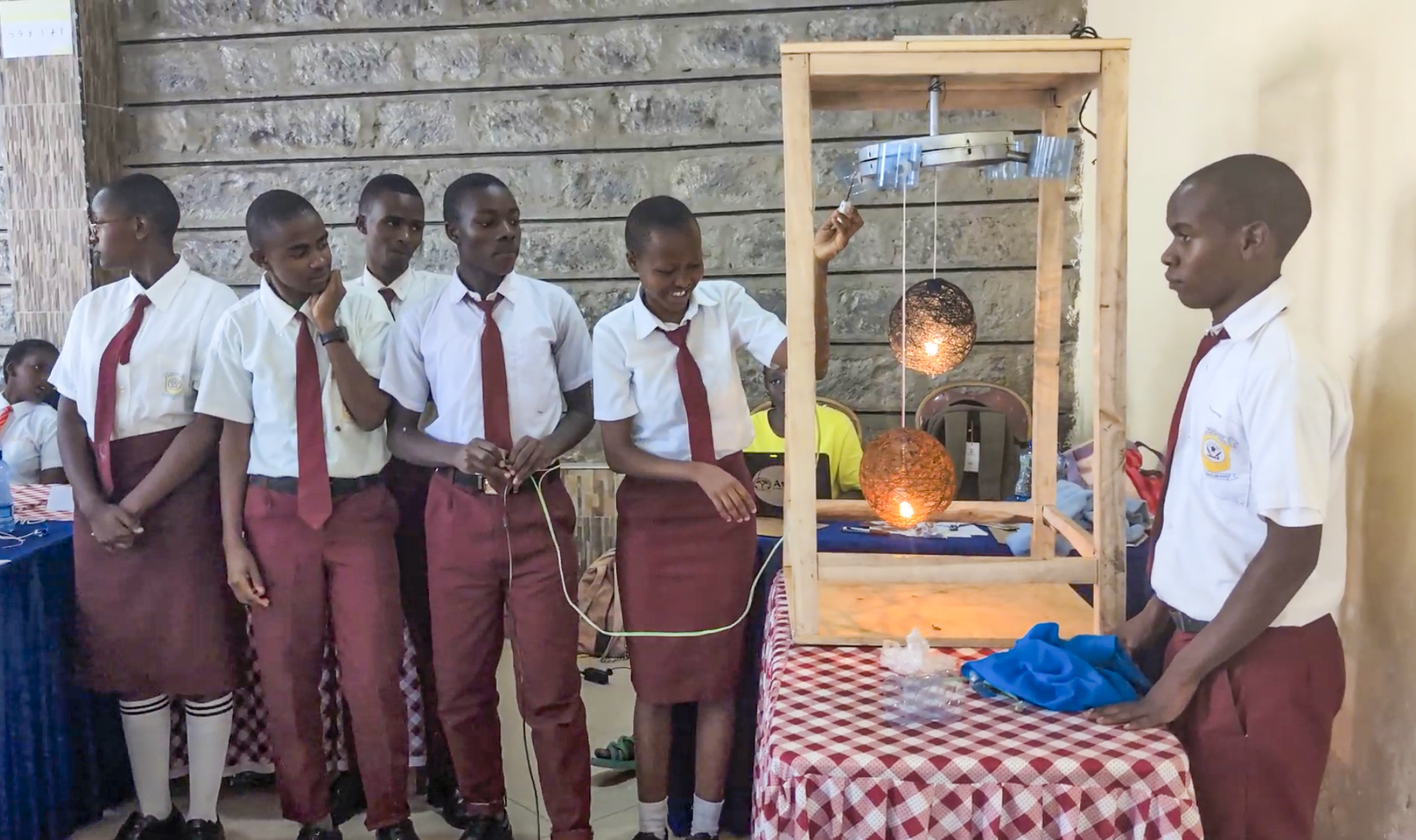
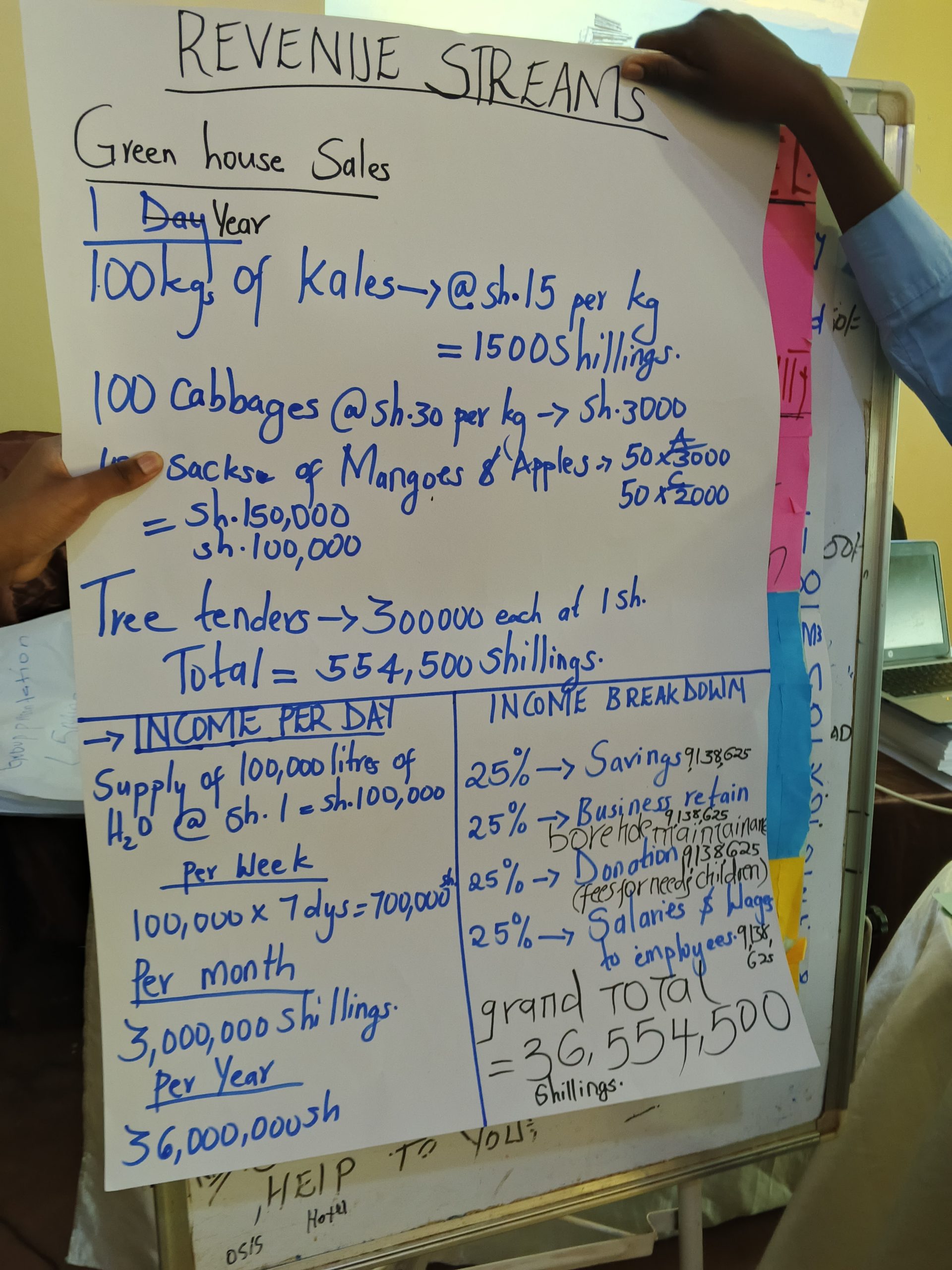 Through the Youth Livelihood Program, students build practical skills in entrepreneurship, financial literacy, communication, and problem-solving, learning to conduct market research, write business plans, manage finances, and work collaboratively toward shared goals.
The program’s signature initiative, the Enterprise Challenge, created in partnership with the King’s Trust International, gives students the chance to turn ideas into real projects that address local problems while generating income.
Rose’s path shows what that can look like in practice. She joined Asante Africa in 2020 as a janitor, after the pandemic’s economic fallout had put her dream of becoming a teacher out of reach. A year later, she volunteered for the Foundation’s digital apprenticeship program while continuing her janitorial work, and within six months, her potential was clear enough that she was brought on as a full-time apprentice. She went on to earn a globally recognized IT certification, complete a year of hands-on experience in education technology, and finish her education degree remotely. She now leads curriculum development at an education technology company in Kenya. “Thank you, Asante Africa Foundation,” she says, “for empowering me to be a woman of substance.”
Other apprentices have taken the entrepreneurial route, directly launching freelance data analysis practices, boutique businesses, and cyber shops that serve their communities while generating their first real income.
Mentorship Builds Confidence
Leadership rarely develops in isolation. Teachers, community leaders, regional coordinators, and peers all help students recognize their own potential through encouragement, guidance, and practical advice that gives young people the confidence to pursue goals they may never have imagined possible.
Asante Africa reinforces this through its Pay It Forward philosophy: students are encouraged to mentor younger students, share what they’ve learned, and serve as role models in their schools and communities.
Leadership That Strengthens Communities
Kenya has earned recognition as the “Silicon Savannah” for its culture of tech innovation. But in rural communities, innovation often looks different. A more sustainable farming method, an environmentally conscious small business, a new way to generate income while protecting natural resources. What matters isn’t the size of the project, but its impact. Across Kenya, Asante Africa students are proving that leadership is measured not by recognition, but by the difference it makes in others’ lives.
A Future Built Together
The spirit of Harambee reminds us that progress has never been the work of one person alone. By investing in education, entrepreneurship, mentorship, and leadership development, Asante Africa Foundation is helping young people build brighter futures for themselves while strengthening the communities they call home with one idea, one opportunity, one act of service at a time.