Last year, I wrote about the unaffordability of movies for average Nigerians and how high ticket prices, when weighed against the minimum wage, make cinema-going feel like a luxury reserved for the wealthy. Nigerians will think about house rent, food, black tax and clothing before thinking about visiting the cinema. The piece was impactful enough to nudge the CEO of a cinema company to distribute free tickets in the comments. While it explored why the average Nigerian cannot afford to watch films in cinemas, it failed to ask an important question: Where do average Nigerians watch movies when they cannot afford the cinema or streaming? Because they do.
The easiest answer would be YouTube, considering how the platform has become the hub for filmmakers nowadays. But even before we examine whether the average Nigerian can afford the data required to stream consistently, we must acknowledge that many films are released exclusively in cinemas or on paid streaming platforms. They require money. And yet Nigerians watch them. How?
Piracy.
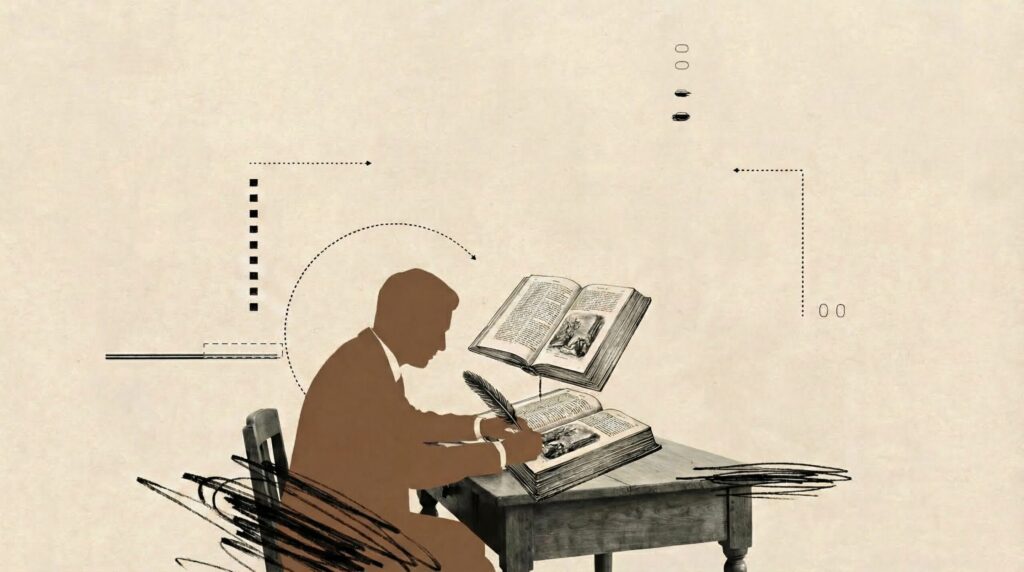
I am asking or writing about piracy now because a discussion on Twitter NG (X NG, if you prefer) ignited the subject. A tweeter shared a link containing PDF copies of books by African authors published in the past. Molara Wood, the journalist and writer, responded that it was “piracy on a grand scale.” The conversation quickly exploded, drawing fierce reactions from those who defend piracy in the name of accessibility and those who condemn it as outright theft.
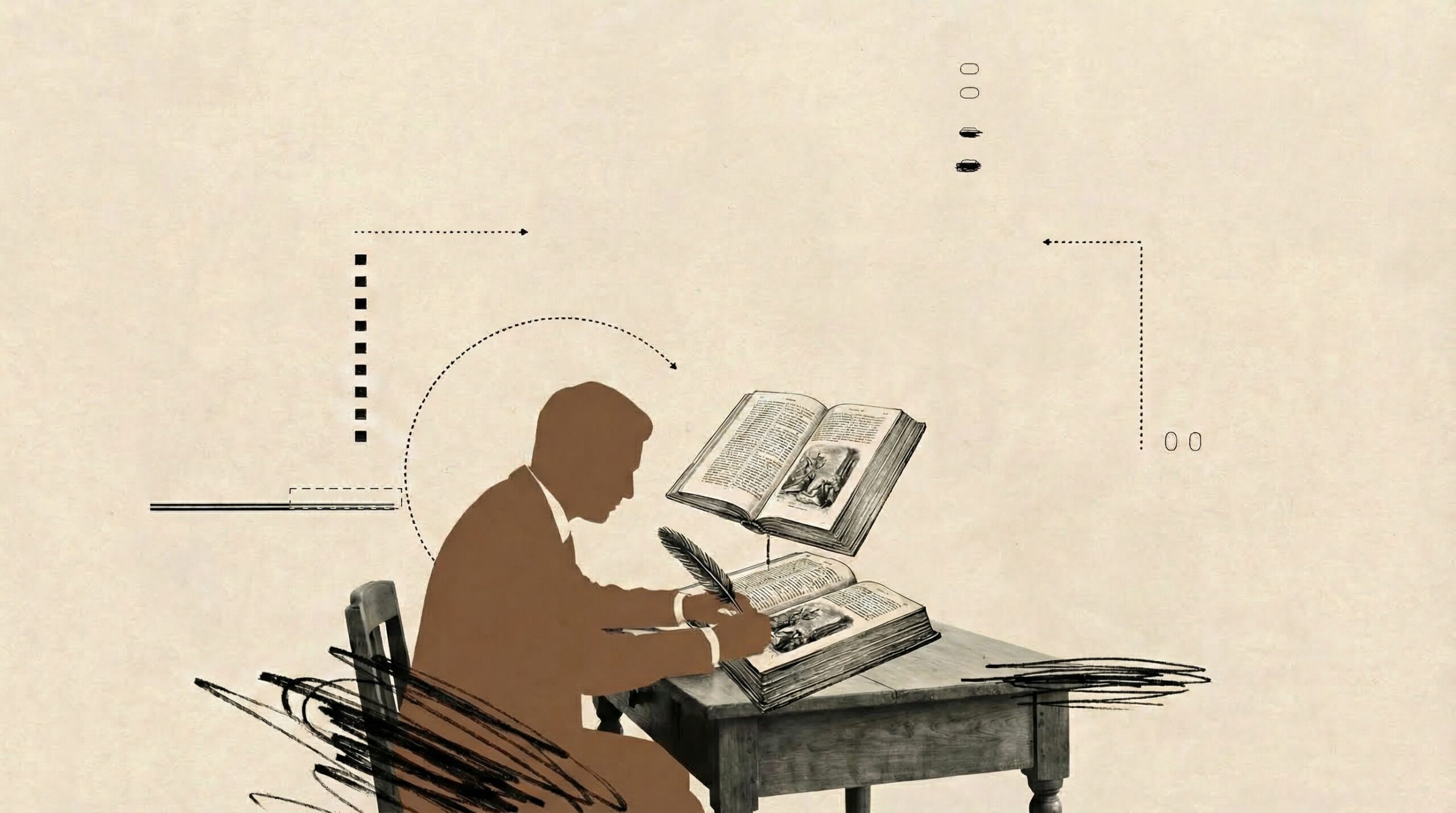
Poor Nigerians, myself included, grew up reading pirated books because we simply could not afford originals. I am speaking of a time when books cost as “little” as two thousand naira, and that was still beyond reach. At university, lecturers recommended numerous texts, and most of us could only afford to buy a few. When someone managed to buy a copy, a representative would scan it and circulate a PDF. I read Mongo Beti’s Mission to Kala that way, inside the university library, where the physical copy of the book was not even available. On the second page was the warning: “No part of this book may be duplicated or reproduced.” I saw it. I almost did not care.
Since the debate erupted on X, some published authors have said they do not mind if readers pirate their work, as long as it is being read. “The first goal of any writer is to be read,” they argue. “If you cannot afford to buy my book and piracy is your only option, please do.” These authors speak from familiarity with lack. Many of them grew up reading pirated books themselves. They seem willing to accept that a work they spent years creating might circulate freely, detached from the labour that produced it.
But I wonder, what do these authors think about fraud, Yahoo-Yahoo, a crime that is sometimes rationalised in similar language? Is poverty an excuse for fraud?
Piracy is an unauthorised reproduction or distribution of someone else’s intellectual property. It is theft. Under the law, it carries severe penalties, including heavy fines and potential imprisonment. Yet in Nigeria, it has become normalised. From films to books and other intellectual properties, piracy functions almost as an informal distribution system, like an industry of its own. Nigerians now comment openly under creatives’ promotional posts: “Please, who has the PDF copy?” It has become almost unavoidable for every average Nigerian who has grown up understanding what it means to lack.
For years, Nigerian filmmakers have lamented how piracy devastates their returns. Imagine spending years on a project, investing money you barely have, pouring in creative energy, assembling a team, only to discover that your film has been duplicated and released for free within days of its premiere. The injury is not only financial; it is existential. It diminishes the value of creative labour and discourages future creation. In 2025, the Nigerian Copyright Commission reported that the country loses billions annually to piracy.
What the conversation on X has exposed is something deeper than moral disagreement or agreement. It has revealed the scale of poverty in Nigeria and the absence of systems that adequately protect and support both creators and consumers. Nigerians want to watch films, listen to music and read books. But when legal access feels economically impossible, they resort to alternatives.
Libraries could be part of the answer. If Nigerian public and university libraries were properly funded and regularly updated, fewer people would need to “own” books. They can borrow. Before streaming platforms, Nigerians rented movie discs (even though some of those were pirated too) because they were affordable and available.
Still, poverty does not automatically legitimise crime. Yes, many Nigerians cannot afford books. But are authors not struggling too? There is a separate, necessary conversation about how little authors earn, about exploitative contracts and uneven royalties. I am not an author, so I cannot speak from inside that system. But I know that creators also need to survive.
We can acknowledge how poverty has crippled purchasing power without dismissing how deeply piracy has been normalised or how harmful it is. Many who condemn piracy may speak from positions of privilege. But privilege does not automatically make them wrong. If you cannot afford to buy new books, you can try consider thrifted books. If you can’t afford that, try to borrow from your friends.
The post Can the Average Nigerian Afford Not to Pirate? appeared first on BellaNaija – Showcasing Africa to the world. Read today!.
Last year, I wrote about the unaffordability of movies for average Nigerians and how high ticket prices, when weighed against the minimum wage, make cinema-going feel like a luxury reserved for the wealthy. Nigerians will think about house rent, food, black tax and clothing before thinking about visiting the cinema. The piece was impactful enough
The post Can the Average Nigerian Afford Not to Pirate? appeared first on BellaNaija – Showcasing Africa to the world. Read today!. Read More