
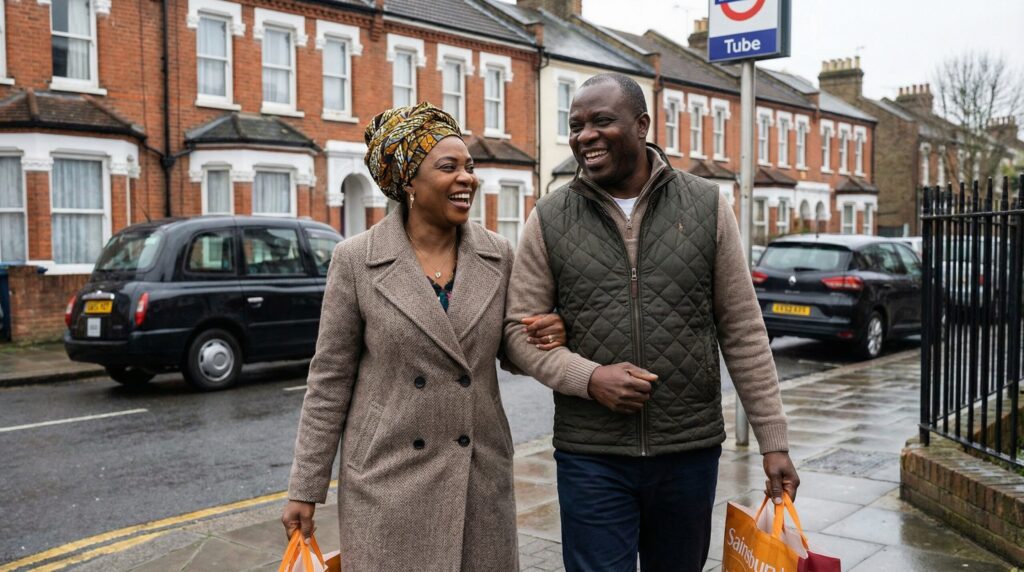
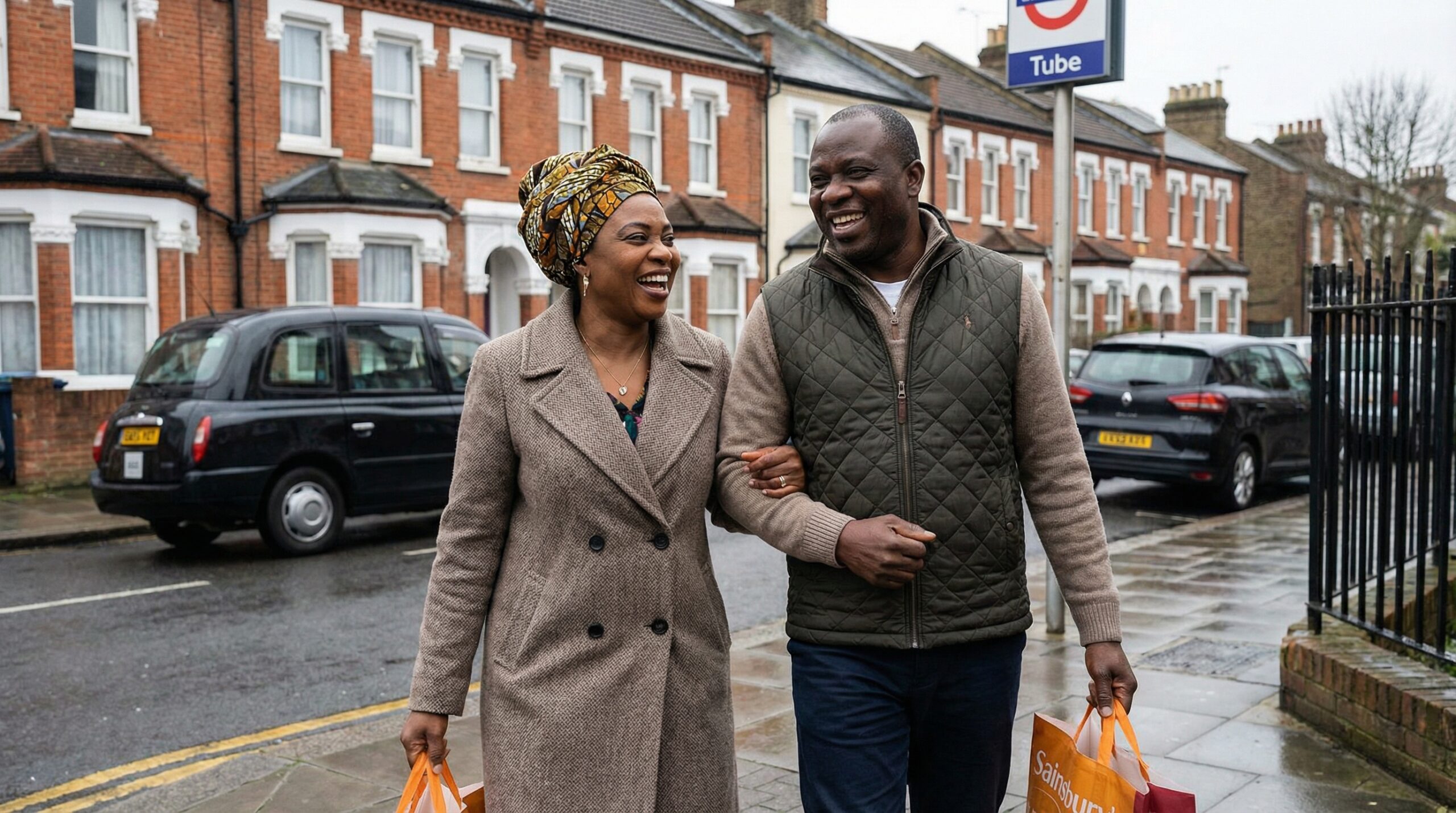
Most couples planning to relocate talk about visas, job prospects, and which city offers the best opportunities. Very few sit down to have the conversation that actually determines whether their marriage survives the move, which is the roles conversation because somewhere between packing up a Lagos apartment and signing an abroad lease, two people who built a life together inside one set of cultural expectations are about to land inside an entirely different one, and neither of them has been fully briefed on what that means for their marriage.
The husband has heard the stories of women who changed abroad, who started “quoting their rights”, who became someone unrecognisable from the woman he married in Nigeria. Those stories quietly unsettle him, but he does not say it out loud. The wife has also watched the exhaustion of women who work full days and still come home to full kitchens, who carry the double shift (paid work outside the home, all the domestic labour inside it) until their bodies start to protest in ways that cannot be ignored. Those stories quietly terrify her, even if she does not say so out loud.
Both fears are valid about a marriage about to be tested by conditions it was never designed to withstand.
The New Economic Reality When Nigerian Couples Emigrate
According to the UK Office for National Statistics, the number of Nigerian nationals immigrating to the UK rose from 14,000 in 2019 to 141,000 in 2023. Canada saw a comparable surge: Nigerian permanent residents grew from 5,445 in 2015 to 17,460 in 2023, while study permits issued to Nigerian students hit record levels, with nearly 18,000 issued in the first six months of 2023 alone, more than any country except India.
Because a lot of couples emigrate via different routes, including the study routes, those statistics are also marriage statistics. Behind each visa is a relationship that will be tested by conditions it was never built to withstand. Data consistently shows that economic opportunity is a leading driver of Nigerian migration. For many families, the decision to relocate together makes sense because companionship, opportunity, and better futures for children are shared. But these are not prepared for the Western economic reality.
In Nigeria, a modest income can support a household. The extended family provides childcare. Domestic help is sought. A wife can focus on homemaking while a husband provides financially, or vice versa. Abroad, that model collapses almost immediately. Rent alone consumes 30 to 50 per cent of a single income, depending on the city, and that is before utilities, transportation, food, and childcare. So the couple must both work, not to supplement income, but because the family cannot survive without it.
With both partners now working outside the home, a question that never needed answering in Nigeria becomes urgent: who handles everything inside the home?
Abroad, the support structures that made the Nigerian domestic arrangement work simply do not exist in the same form. There is no aunty down the road. There is no affordable house help. There is no extended family to absorb the overflow. Two people who built a life inside one set of conditions are now operating inside an entirely different one, and the gap between what the marriage was designed for and what it now requires becomes the source of genuine conflict.
Research on Nigerian immigrant couples in North America consistently shows that the domestic and financial pressures of the transition period create significant marital strain, with both partners overwhelmed by work demands while household responsibilities remain unevenly distributed. Both partners are navigating career re-establishment, financial pressure, cultural adjustment, and social isolation simultaneously. The domestic load does not pause for any of it. It simply accumulates.
The couples who navigate this well are not necessarily those with better marriages going in. They are the ones who recognised early that the old arrangement needed to be renegotiated, not because anyone was wrong before, but because the context had changed and the relationship needed to change with it.
Meanwhile, as we see a significant number of Nigerian families fracturing abroad, many adapt and grow even deeper. What do they do, and how?
A Zikoko story on how relocation reshapes Nigerian love found that couples who navigated the transition successfully had explicit conversations about how their roles would need to shift before they moved. They discussed money, domestic labour, and decision-making not as romantic abstractions but as practical realities. Without emotions. The couples who struggled were those who assumed Western life would simply accommodate Nigerian gender arrangements. Who expected the context to change without the relationship having to?
So before the move abroad, couples should ask: Can both partners cook a full meal? Can either of them manage the school run, the bedtime routines, and the household independently for a weekend if the other is unavailable? Does the domestic weight of the home rest on one person’s shoulders by default, or is it genuinely shared?
In Nigeria, these questions may never have needed asking.
The post Modupe Ayobami: Why Do Nigerian Marriages Struggle Abroad? appeared first on BellaNaija – Showcasing Africa to the world. Read today!.
Most couples planning to relocate talk about visas, job prospects, and which city offers the best opportunities. Very few sit down to have the conversation that actually determines whether their marriage survives the move, which is the roles conversation because somewhere between packing up a Lagos apartment and signing an abroad lease, two people who built
The post Modupe Ayobami: Why Do Nigerian Marriages Struggle Abroad? appeared first on BellaNaija – Showcasing Africa to the world. Read today!. Read More