Rooted in Change: How Wezesha Vijana Students in Uganda Are Leading the Way for the Environment
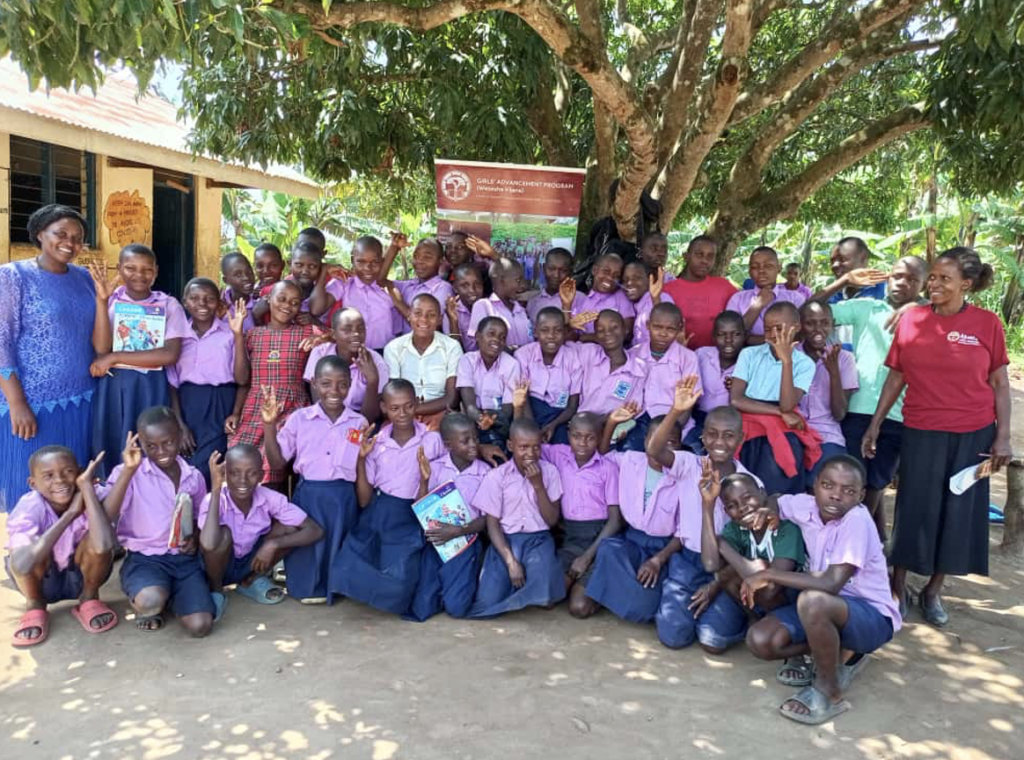
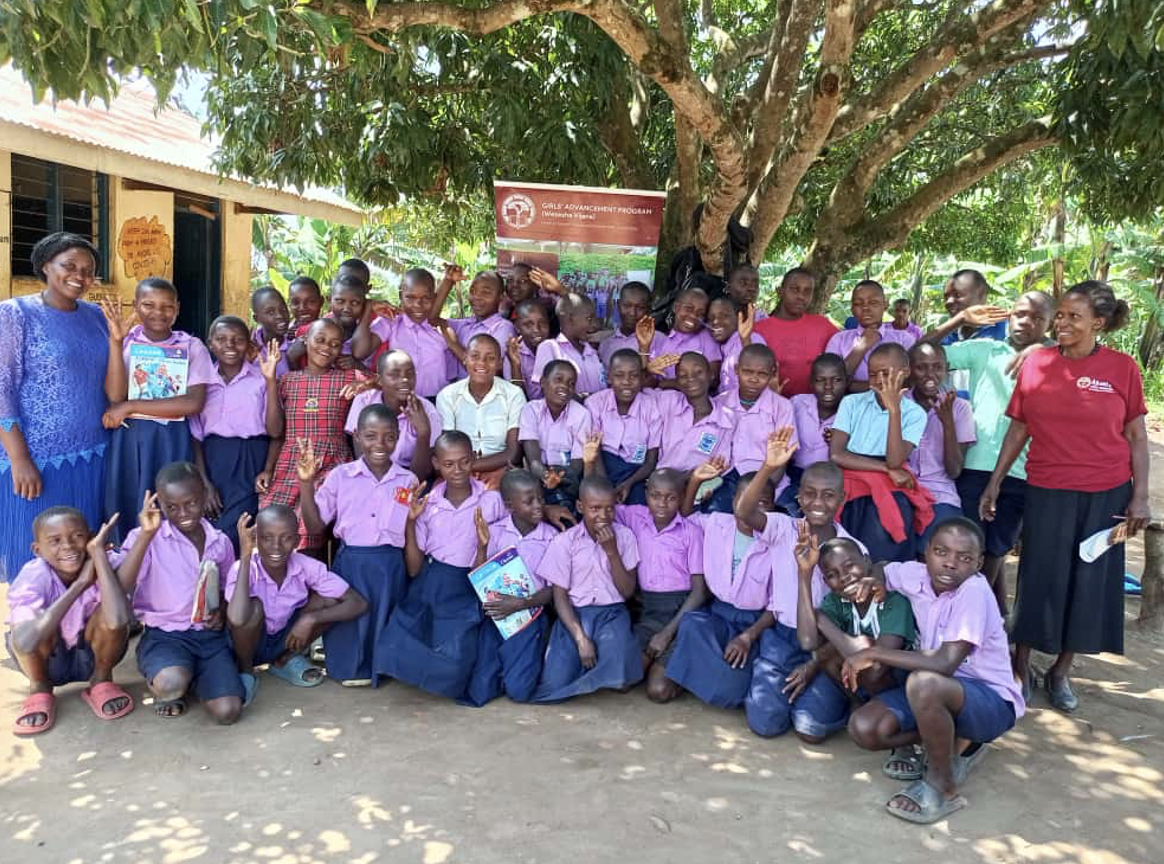 In rural Uganda, a quiet revolution is taking root…literally. Over the past two years, primary school students have moved beyond the classroom to become hands-on environmental stewards. But to understand how that happened, you need to understand the program that made it possible.
Our Wezesha Vijana program is a unique, multi-faceted life skills program. Its approach to personal, social, economic, and health skills development is grounded in human-centered design. At Kigaraare Primary School, the program has run continuously from 2023 through 2025, reaching 180 adolescents and graduating 160 of them with certificates. And as the stories below show, the skills young people build don’t stay in the classroom.
Planting Seeds – and Lessons – for the Future
In 2024, Wezesha Vijana club members joined their teachers and Asante Africa Foundation staff to plant 18 fruit trees on the school grounds: 5 mango, 5 avocado, and 8 orange. Today, those trees are thriving, tended by the same students who put them in the ground.
This wasn’t a one-off activity. Caring for the trees became part of the club’s ongoing rhythm, and the experience brought the program’s core lessons to life in a tangible way. Resilience, long-term thinking, collective responsibility – these are central themes in the Wezesha Vijana curriculum, and suddenly, students were living them out in the school garden every week.
The journey wasn’t without setbacks. When some trees dried up during a spell of harsh sunshine, students didn’t give up – they reflected on what had happened and kept going. It was the program’s resilience module playing out in real time.
“Planting and looking after the fruit trees have taught us the importance of caring for the environment. We feel proud seeing the trees grow, and even when some dried up due to the hot weather, we learned valuable lessons about climate change and resilience.” — Irine, Wezesha Vijana club participant
 From Skills to Action: The Student-Led Garden
The tree-planting initiative lit a spark. When club members identified a separate problem ( inadequate food at school) they drew directly on what Wezesha Vijana had taught them: how to assess a challenge, develop a plan, and mobilise resources as a team.
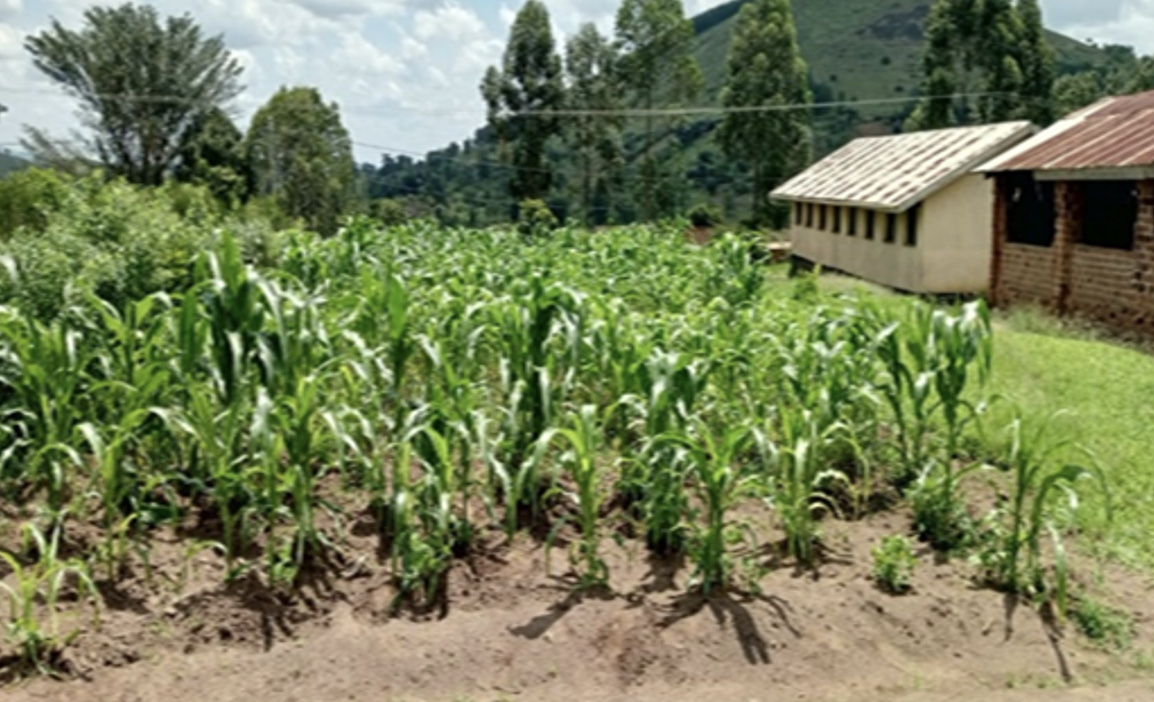
Working with their teacher mentors, students designed and planted a school maize and Irish potato garden. To fund it, each club member contributed UGX 1,000 — pooling their savings to raise UGX 50,000 collectively. The headteacher added UGX 100,000 toward seeds. This is exactly the kind of financial planning and community contribution that the program’s Economic Assets module is designed to build.
The harvest has since provided porridge at breakfast and food for club lunches; a student-designed, student-funded solution to a real problem in their school community. No one told them to do it. They saw the need, applied their skills, and acted.
The club members are now excited to watch their garden continue to grow, and are already thinking about what comes next. For them, the maize and potato garden isn’t just a source of food. It’s proof that they can identify a problem, work together, and build something sustainable with their own hands. That sense of ownership and possibility is exactly what Wezesha Vijana is designed to cultivate.
“Learners are actively involved in watering and caring for the trees, which has strengthened their sense of responsibility and awareness about environmental conservation. Despite the harsh sunshine, we remain committed to ensuring the trees grow and serve the school for years to come.” — Headteacher, Kigaraare Primary School
What This Tells Us About the Program
 These environmental initiatives are about more than trees and gardens. They are evidence that the Wezesha Vijana program’s approach is working. When young people internalise skills like resilience, teamwork, financial planning, and problem-solving (and then apply them independently in their own community), that is the programme working exactly as it was designed to.
As Earth Day approaches, the students of Kigaraare offer a powerful reminder: environmental action doesn’t start with policy. It starts with young people who have been given the tools, the confidence, and the belief that they can make a difference — and who decide to show up and grow something together.