
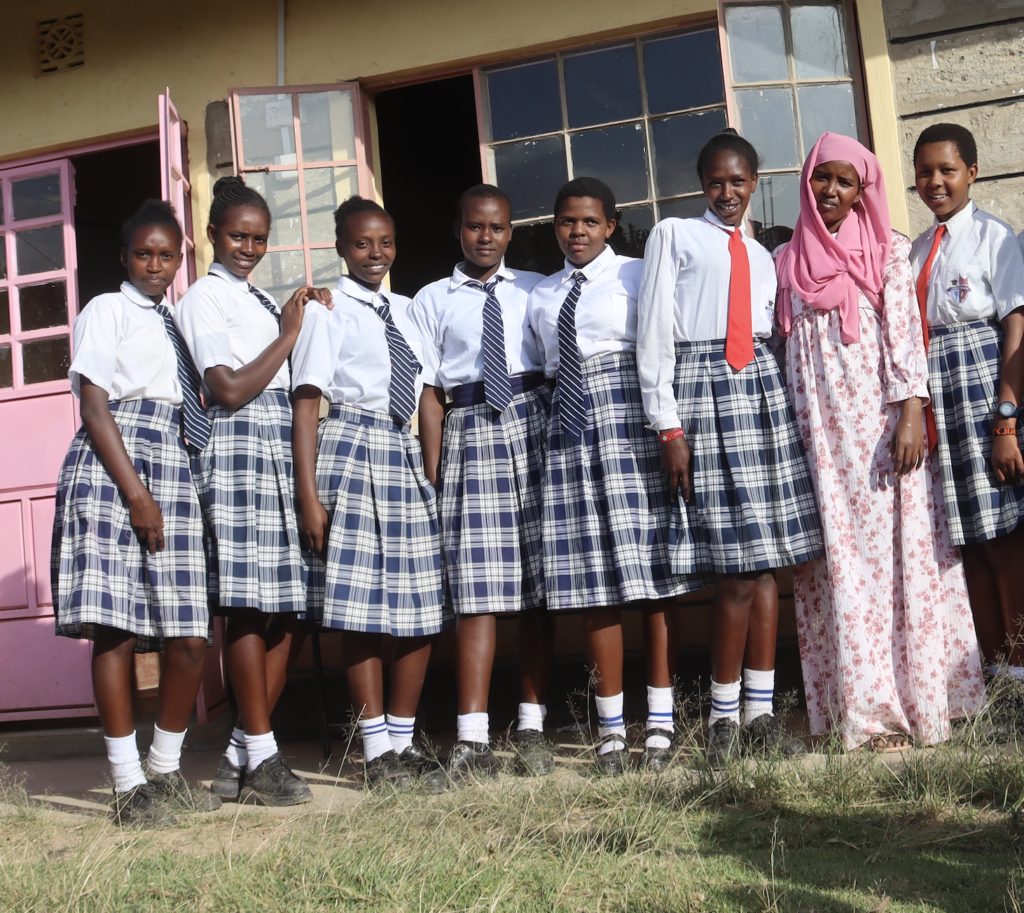
The Impact of Girls Empowerment Across Africa
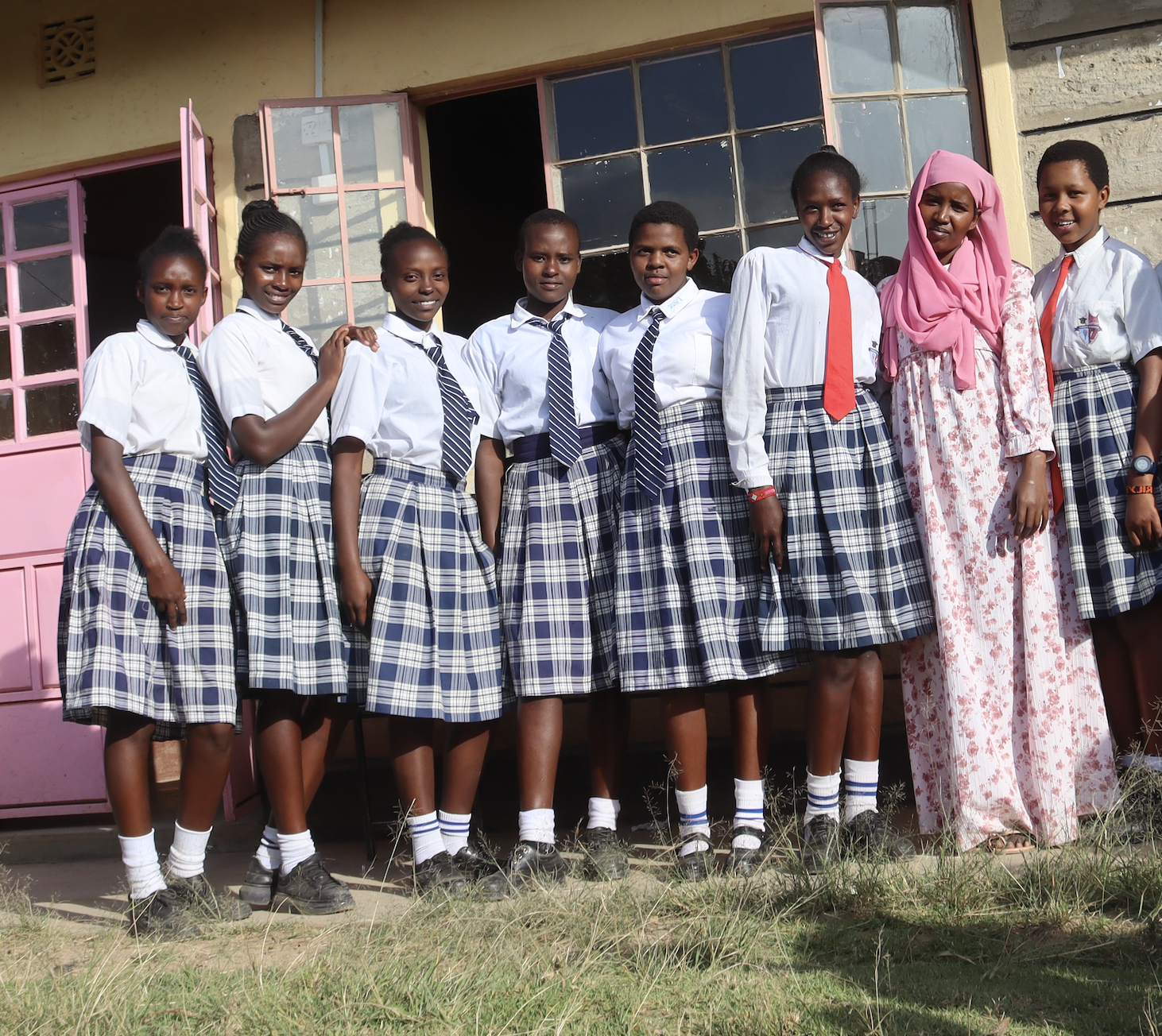 Across Africa, the conversation around development, economic growth, and community resilience increasingly points to one undeniable truth: empowering girls is foundational to lasting change. When girls are educated, supported, and given economic opportunity, entire communities benefit. When they are not, the consequences echo across generations.
At Asante Africa Foundation, this reality shapes every program and every partnership. Empowering girls is not a side initiative – it is central to building stronger families, more stable economies, and more resilient communities across East Africa.
Facing Reality – and Changing It
In many parts of Africa, girls still encounter barriers that interrupt their education and limit their choices. According to UNESCO, more than 10 million girls aged 6 to 11 have no chance of attending school – nearly twice the number of boys in the same situation. Globally, 122 million girls remain out of school, a figure that reflects deep and persistent gender disparities (UNESCO Institute for Statistics, 2023).
These numbers are not abstract. They represent futures interrupted. Challenges such as early marriage, teenage pregnancy, economic hardship, and gender-based violence continue to shape girls’ lives across the continent. These realities are serious – but they are not permanent.
When girls stay in school and gain access to leadership training and economic skills, patterns begin to shift. Education delays early marriage. Financial literacy builds independence. Mentorship strengthens confidence. Community engagement reshapes expectations. Change begins when opportunity replaces limitation.
Education: The Strongest Line of Defense
At the heart of girl empowerment is education. Through Asante Africa’s programs in Kenya, Tanzania, and Uganda, girls are not only staying in school – they are building skills that extend far beyond the classroom. They are learning entrepreneurship, financial management, leadership, and digital literacy.
Education does more than provide academic knowledge. It builds confidence, expands decision-making power, strengthens critical thinking, and provides protective structure during adolescence – a period when girls are especially vulnerable to social pressure and economic risk.
When girls have access to consistent, high-quality education, they are better equipped to navigate those pressures and make informed choices about their futures. Education becomes both shield and springboard.
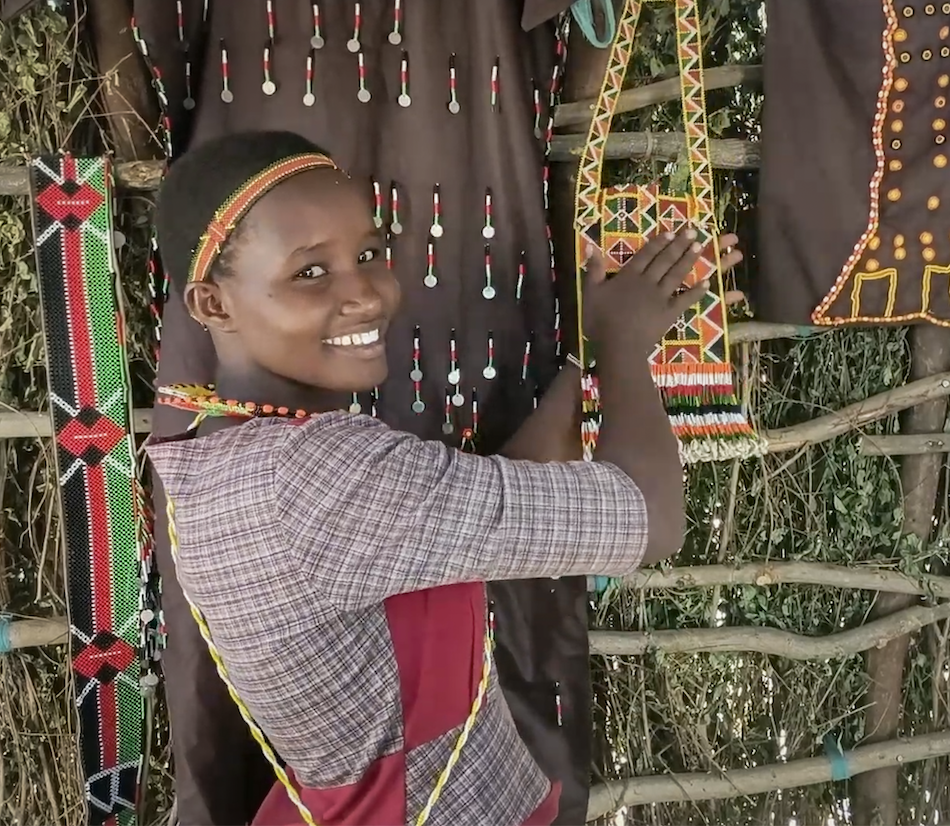 Economic Empowerment Shifts Power
One of the clearest lessons from Asante Africa’s work is that economic participation changes dynamics. Girls who launch small enterprises – poultry farming, vegetable stands, tailoring, beekeeping – may not be running large companies, but their contributions are transformative.
Income supports school fees. It reduces financial strain at home. It strengthens a girl’s voice within her household and community. According to the World Bank, women reinvest up to 90 percent of their income into their families, compared to 35 percent for men – making women’s economic participation one of the highest-return development investments available.
When girls earn, they gain leverage. When they gain leverage, they gain confidence. When they gain confidence, they lead. This is how empowerment becomes self-sustaining.
Safe Spaces Build Leaders
Asante Africa also creates environments where girls can lead without hesitation. Through youth clubs, enterprise challenges, and leadership initiatives, girls practice presenting ideas, managing projects, and collaborating with peers.
These spaces do something quietly powerful: they normalize girls as entrepreneurs and decision-makers. In communities where traditional expectations may limit girls’ roles, visibility matters. When families and peers witness girls succeeding academically and economically, perceptions begin to shift. Leadership becomes expected rather than exceptional.
 Digital Skills Open Doors
Africa’s future is increasingly digital – and ensuring girls are part of that future is not optional. The International Telecommunication Union estimates that women in sub-Saharan Africa are 34 percent less likely than men to use the internet, a gap that compounds existing economic disadvantages.
Through digital learning tools and entrepreneurship training, girls in Asante Africa’s programs gain exposure to new markets, access to financial management platforms, and the confidence to navigate technology independently. Consider Amina, a participant in Uganda who used digital skills training to expand her tailoring business online, doubling her customer base within a year – a story that is becoming increasingly common across Asante Africa’s network.
Without intentional inclusion, girls risk being left behind in emerging digital economies. With it, they are positioned to compete, innovate, and lead.
Empowerment Starts Early
If we want to understand how to empower women, we must begin by empowering girls. That means keeping girls in school, providing mentorship and life skills education, supporting families economically, engaging communities in shifting norms, and creating real pathways to income.
Empowerment is not achieved through a single workshop or campaign. It requires sustained investment and partnership. Asante Africa’s model reflects this understanding – pairing education with economic skills, community engagement, and leadership development in a way that compounds over time.
The Ripple Effect Across Communities
The impact of girl empowerment extends well beyond the individual. An educated girl is more likely to delay marriage and childbirth, increase her earning potential, invest in her siblings’ education, advocate for healthier practices in her household, and mentor the girls who come after her.
She does not rise alone. She brings others with her. This ripple effect strengthens households, stabilizes communities, and contributes to national development goals across the continent. UNICEF estimates that each additional year of secondary education increases a girl’s future earnings by up to 25 percent – a return that flows directly back into the community.
 Looking Forward
Africa’s future is young and female. When girls are empowered through education and economic opportunity, they become innovators, entrepreneurs, professionals, and leaders. They challenge cycles of poverty and vulnerability – not through luck, but through preparation and participation.
The impact of girl empowerment is not abstract. It is measurable in school retention rates, family income, community stability, and generational progress.
Investing in girls is not charity. It is strategy. Across East Africa, that strategy is already shaping a stronger future.
WRITTEN BY: Chioma Okoro