
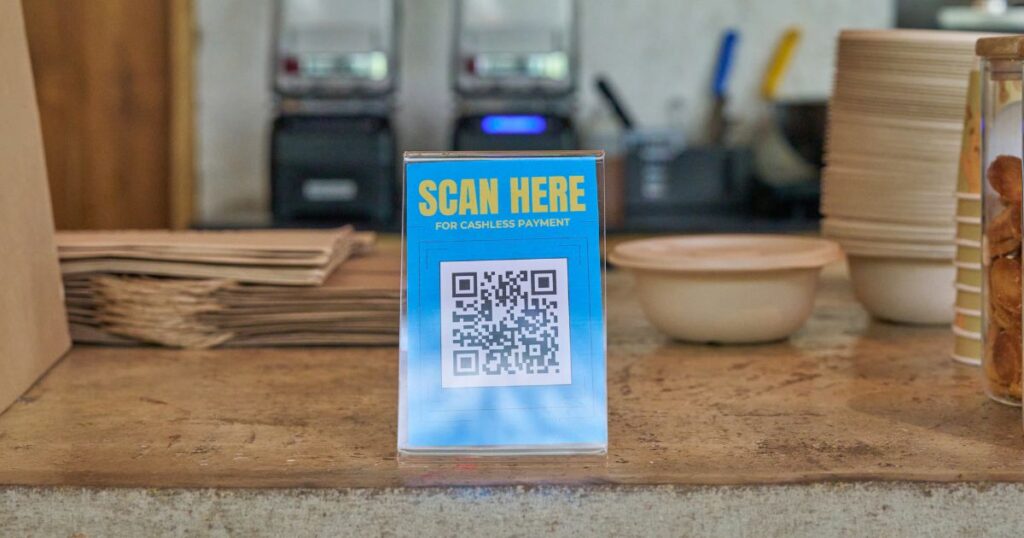
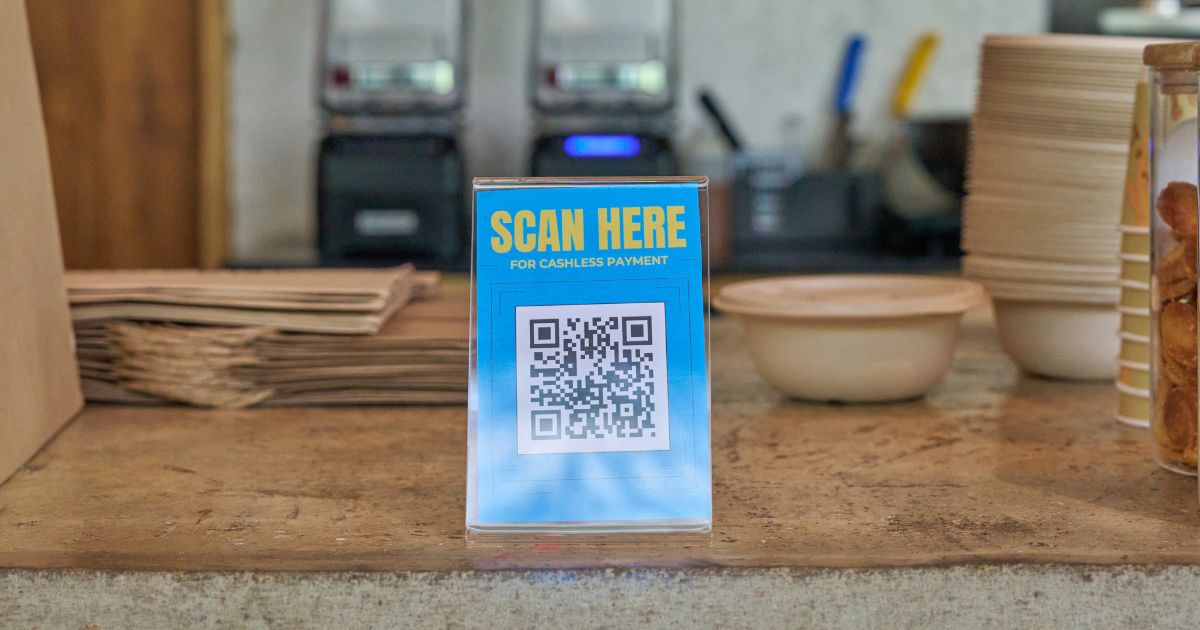
QR codes are becoming increasingly popular among businesses. QR codes make it easy for users to scan a code with their phone and go directly to a website rather than having to type in a website address.
QR codes are typically used on forms of marketing that can be scanned with a phone. You can use them on business cards, brochures, flyers, signs on the side of the road, product packaging, banners and posters.
If somebody sees a sign on the side of the road or a flyer and they are interested in what is being advertised, they can scan the QR code, and it will take them right over to the website.
This is where QR codes become incredibly powerful because instead of hoping someone remembers your website, you can let them scan it instantly and take action there and then. One scan can lead to a website visit as well as a booked call, a subscription to an e-mail list, or, better yet, a purchase of a product or service.
1. Turn Business Cards into Conversion Tools
Traditionally, a business card entails information such as your name, phone number, and e-mail address, and that’s about it.
Modern business owners are doing something completely different. They add a QR code on a business card. When someone scans it, it can take them directly to your portfolio, your booking page, your website, your LinkedIn, your product page, or wherever you want to lead them to.
If you’re a consultant or a freelancer, your QR code could link you to your calendar booking page. That way, instead of waiting for an e-mail, they can book a slot instantly.
2. Use QR Codes in Public Spaces
QR codes became popular as a means to spend less on printing, but this is not just about reducing cost or contributing towards a paperless society; business owners are now using them for much more.
You can use QR codes for loyalty programmes, discount offers, e-mail signups, and review pages. Imagine a customer has just purchased a product from your store. They scan a QR code that says, “Scan here for 10% off your next visit”.
Now, that customer becomes part of your marketing system. They become part of your funnel. You can now have a repeat customer basically for free.
3. Use QR Codes at Events and Networking
Instead of handing out stacks of business cards that people are just going to throw away at the end of the day, many professionals now display QR codes on badges, banners, or presentations.
Someone scans the code, and instantly they’re taken to your website, your LinkedIn, your newsletter, or your product demo.
This removes friction, and in business, the easier you make something, the more likely your audience is going to gravitate towards it.
4. Use QR Codes on Product Packaging
When someone receives your product, that moment is one of the highest engagement moments your brand will ever get. Many businesses include QR codes on packaging, inserts, product boxes, and thank-you cards.
When customers scan the code, it can lead them to a product tutorial, a discount for their next order, a referral programme, or a review page. One customer can easily turn into multiple customers.
5. Generate Leads for Local Businesses
Businesses like gyms, salons, barbers, real estate agents, and personal trainers often use flyers or posters.
Those flyers can include QR codes that say, “Scan here to claim a free consultation” or “Scan here for your first session discount”.
Instead of hoping someone will look at your flyer when they get home, they can take action immediately. This way, you’re using your QR codes to generate a sale and to generate a lead.
6. Turn Flyers into Lead Generation Tools
QR codes encourage your users to engage with your business without friction. Instead of using flyers that could get thrown away. A QR code could take them to a landing page, a free guide, a webinar registration, or a product offer.
You can increase visibility by using QR codes on signs in certain locations around town. You can hang flyers in the library, in the grocery store and in different locations around town.
7. Use QR Codes to Grow Your Audience
Creators are using QR codes for things like newsletters, YouTube channels, courses, and communities.
For example, a QR code could link to “scan here to subscribe to my newsletter” or “scan here to join my free course”. You can consider offering an incentive like a free course or discount on products and services to entice people to scan the code.
Use the problem your business is solving as a way to hook your audience, because people may be hesitant to scan a random QR code.
Track Your QR Codes
When you generate your QR code, make sure you can track where it is being scanned. QR code tracking allows you to measure not only which locations are producing the most amount of leads but also what happens after a scan.
If you are doing physical marketing, hanging things around town or putting out signs, it is good to know which signs are generating the most leads.
You can also track your leads across your marketing. You can track leads coming from your Facebook profile, Facebook posts, an e-mail that you sent, or your YouTube videos.
Customise and Manage QR Codes for Your Business
Customise your QR code to fit your business’s branding. You can adjust things like colours, branding, and logos. That way, it’s not just a random QR code, but it matches your brand identity.
QR codes don’t work as a magic trick. You still need to convince your target audience to scan your code. Which is why elements like branding, having a great hook, and visibility can go a long way.
Some QR codes can also be edited later, which means you can update the destination link without having to print a new QR code. Every time someone interacts with your brand, there’s an opportunity to guide them to the next step.
QR codes are becoming increasingly popular among businesses. QR codes make it easy for users to scan a code with their phone and go directly… Read More