
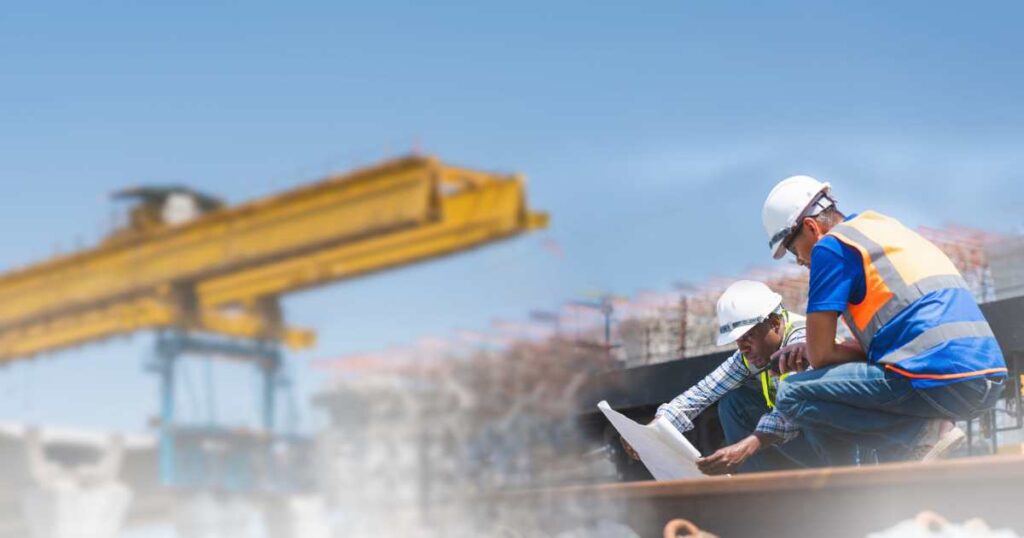

As the small business landscape(including tech startups) in South Africa changes, the need for enhanced infrastructure grows. South Africa has emerged as Africa’s leader in digital infrastructure and communications investment. However, there is still demand for additional industrial infrastructure to drive direct foreign investment (DFI), job creation and the growth of small to medium-sized enterprises (SMEs).
Infrastructure development and support are not only about building new roads and bridges. It’s also about providing SMEs with the infrastructure they need to succeed. This is anything from machinery and technology to energy support to ensure business continuity.
To provide SMEs with the necessary infrastructure support, the Department of Small Business Development (DSBD) has an initiative called the Business Infrastructure Support Programme (BISP).
In this article, we look at what the programme is, what support is offered, application requirements and how to apply.
What is the Business Infrastructure Support Programme?
The Business Infrastructure Support Programme (BISP) is a critical initiative by the DSBD to support the growth and development of MSMEs in South Africa. By providing infrastructure, equipment, and business development services, the programme aims to create an enabling environment for small businesses to thrive.
The programme aims to enhance the growth and sustainability of MSMEs by providing critical infrastructure, equipment, technology, and energy solutions, especially in underserved areas. The programme supports the construction of MSME hubs, equipment provision, tools, machinery, and renewable energy, and offers business development services to improve efficiency and competitiveness.
What Support is Offered?
The programme offers support in the following areas.
- Built Infrastructure: Funding ranging from R1 million to R23 million for newly built or refurbished facilities such as market stalls, industrial parks, and business hubs
- Equipment: Support from R1 million to R5 million for business-enabling equipment, tools, technology, and machinery
- Energy Solutions: Renewable and alternative energy solutions (R1 million to R10 million) to help small businesses combat power disruptions
- Target Sectors: Agriculture, manufacturing, construction, medical, wholesale and retail, disaster management, and the creative industries
Application Requirements
To be eligible for this programme, you need to meet the following requirements. You must complete the BISP application form and submit it together with all required supporting documents as listed in the form, including but not limited to:
- Financial statements and/or management accounts signed by an accountant (where applicable)
- Compliance documentation (permits from relevant authorities, where applicable, e.g. environmental impact assessment (EIA) or land use). This is very critical for built infrastructure applications
- Central supplier database (CSD) compliance for suppliers
- Technical designs and cost breakdowns
- Executive authority approvals
Who Can Apply?
Applicants eligible for the BISP include:
- Municipalities
- Municipal and provincial entities
- Traditional authorities
- Registered legal entities (e.g. cooperatives, private companies, informal traders)
- Applicants within the category of micro enterprises with a maximum turnover of R10 million and small enterprises with an annual turnover of less than R10 million
How to Apply
You can apply for the programme online at https://vcmasa.dsbd.gov.za/ or download and complete the official BISP application form and submit the completed application and supporting documentation via e-mail to BISP@dsbd.gov.za.
Once submitted, you will receive an automated response with a reference number confirming receipt of your application. Late or incomplete applications will not be considered.
Common Reasons Your Application is Being Rejected
If your application is rejected, chances are there is something missing or incorrect. Common reasons for rejected applications include:
- Idealistic financial projections: If your financial projections show unrealistic growth within a certain period, funders will reject your application. Ensure your financial projections align with your business growth and valuation.
- Missing documents: Applying with missing or incomplete documents will lead to automatic rejection. Ensure that you have your business registration and tax certificates, as well as any other permits.
- No equity or repayment plans: Having a repayment or equity plan – even in grant funding – is important. A lack of a repayment plan means the funders don’t know if you can afford to repay, and, in some cases, grant funders want to see an equity plan to show your business is worth investing in.
- Applying for the wrong fund: Every fund has its own set of requirements. If you don’t research the fund and what the investors want, your application will be rejected immediately.
- Non-compliance: Being non-compliant will disqualify you from any public or private funding opportunity. Funders want to invest in a compliant business because they need to protect their investment. Being non-compliant makes you seem untrustworthy.
- Outstanding annual returns: If you have any outstanding returns, you will be disqualified from funding initiatives even if you are compliant in other areas.
The Importance of the BISP for SMEs
The BISP is critical for SMEs, particularly in underserved, rural, and township areas, because it bridges the gap in operational resources. The initiative provides targeted, multi-tier financial and technical support to qualifying SMEs in critical areas.
Built Infrastructure
With funding up to R23 million, it provides small businesses with safe, zoned, and professional commercial spaces, moving them out of isolation and into centralised economic hubs that attract more foot traffic and customers.
Machinery, Tools and Technology
Including financial grants between R1 million and R5 million, the support directly upgrades a business’s operational efficiency and product quality. It enables SMEs to acquire critical business-enabling machinery and digital technology.
Energy Solutions
South African SMEs are deeply affected by power cuts (loadshedding). With a support package of up to R10 million for renewable and alternative energy solutions, it shields SMEs from power disruptions and reduces long-term operating costs.
Market Access
Through this initiative, SMEs can be integrated into local and regional supply chains. By connecting rural and township enterprises to larger markets, the programme allows SMEs to grow beyond mere survival and establish sustainable revenue streams.
Although the applications for the BISP are currently closed, you can start preparing for the next intake now. Use the above requirements and eligibility guidelines to ensure your business is compliant and ready to receive the funding.
You can also research other government funding initiatives that are currently open and apply for those. Remember, you must apply for funding that aligns with what your business needs and your growth plans. Taking on the wrong type of funding can leave you in debt and possibly out of business.
As the small business landscape(including tech startups) in South Africa changes, the need for enhanced infrastructure grows. South Africa has emerged as Africa’s leader in… Read More