
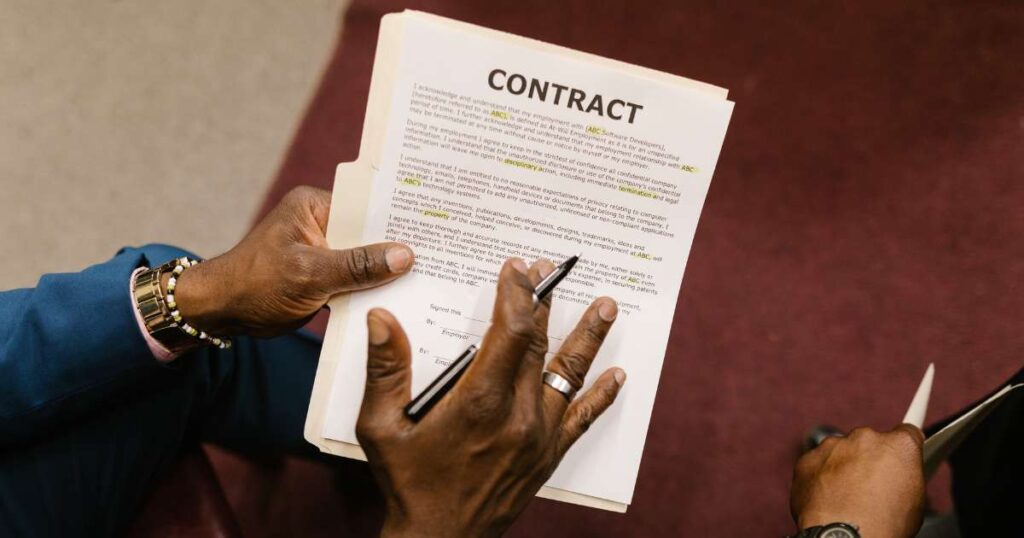
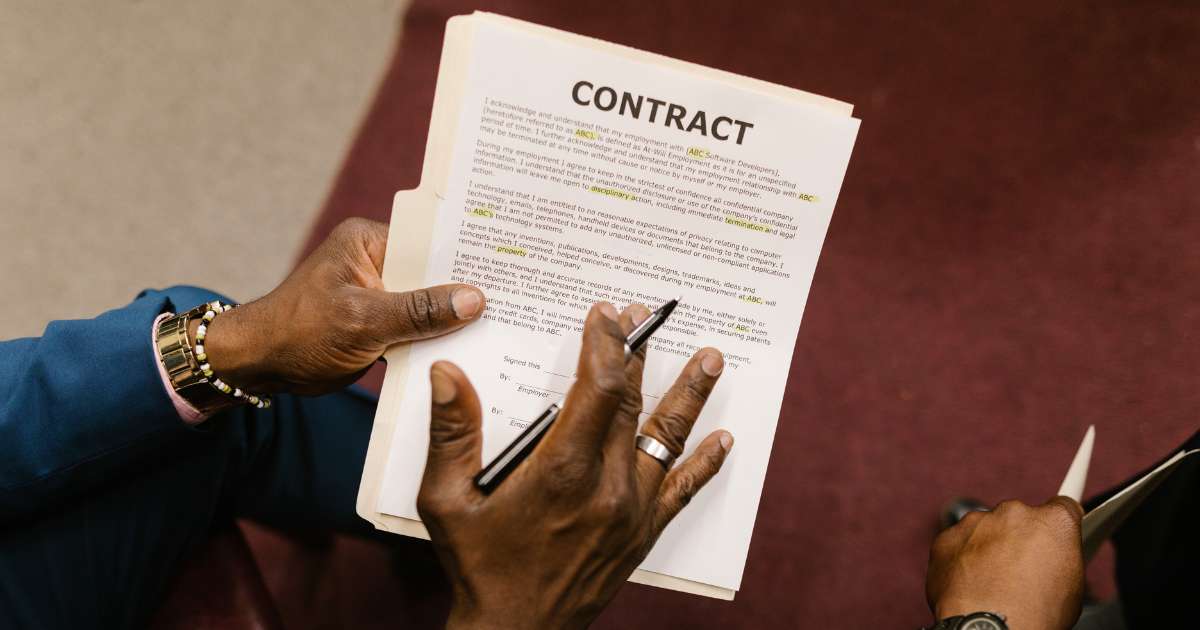
Running a business is more than just securing funding and making a good profit. For owners, it means signing various documents with complicated legal jargon and clauses. To successfully navigate the contractual side of business ownership, founders need to know the various agreements/contracts they might come across throughout the journey.
In today’s complex business landscape, running a business on verbal promises and handshakes is a risk small to medium-sized enterprises (SMEs) cannot afford. Contracts play a critical role in outlining expectations, protecting interests and preventing misunderstandings before they become costly legal disputes.
More importantly, contracts support the growth of a business. When agreements are clear and enforceable, SMEs can build stronger partnerships and focus on scaling instead of constantly dealing with legal issues.
Today’s article focuses on the essential legal agreements business owners need to know in 2026.
What is a Business Contract?
A business contract is a legally binding agreement between two or more parties outlining their rights, responsibilities, and obligations in a commercial relationship. It sets the terms under which goods, services, or value will be exchanged.
In simple terms, a business contract provides clarity and legal protection by documenting the details of a deal. It can range from a basic contract agreement example between two parties to a detailed commercial agreement used by large corporations.
Key Terms
Although business contracts vary, most include core elements that make them valid and enforceable. Typical elements include:
- Offer and acceptance: One party proposes the terms, and the other agrees to them.
- Consideration: Something of value is exchanged. This can be payment, services or goods.
- Mutual intent: All parties understand and agree to the arrangements.
- Capacity: Parties must have the legal ability to enter into an agreement.
- Terms and conditions: The obligations, rights, timelines, deliverables and responsibilities.
- Termination and renewal clauses: How parties may end or extend the contract.
- Dispute resolution: How disagreements will be resolved. This can be through mediation, arbitration or litigation.
- Signatures: Required from both parties to formalise the agreement.
Types of Business Contracts
Contracts can take on various forms depending on the commercial relationship. Common types include:
- Service agreements: Contracts for business services, consulting, maintenance or operations.
- Sales contracts: For the buying or selling of goods.
- Employment or contractor agreements: For the hiring of workers or independent contractors.
- Partnership or joint venture agreements: For collaboration between companies.
- Commercial leases: Agreements for renting office or retail space, or equipment.
- Business sale agreements: Used when transferring ownership of a business.
- Supplier contracts: It define business relationships, pricing, and delivery terms.
When it comes to types of contracts, different industries may use specialised formats such as construction contracts, technology licensing agreements, or client contract agreement templates for professional services.
Essential Contracts for Small Businesses
The following list is the contracts that are essential for a small business. As a business owner, ensure you understand what they mean and update your internal knowledge base so it’s easier for necessary staff to also learn.
1. Client or Service Agreement
This is the most important small business contract. This document clearly defines what you are providing, how much you will be paid, when payment is due, and what happens if something goes wrong. Without a client or service agreement, your projects can turn into disputes over the scope of work, timelines or compensation.
For service-based businesses – consultants, agencies, freelancers, or contractors – this agreement is essential. It sets expectations from the start, helping both you and your client understand responsibilities, deliverables, and limits.
A comprehensive service agreement can also provide important protections like late payment terms, dispute resolution clauses, and liability limitations.
2. Non-Disclosure Agreement (NDA)
A non-disclosure agreement (NDA) is a key part of small business contracts, especially if your business handles sensitive information. It’s designed to protect confidential information such as business strategies, client data, financial information, trade secrets, or proprietary processes from being shared or misused.
NDAs are especially important because digital communication and remote collaboration are becoming standard practice. Without an NDA in place, it can be difficult to prove that someone was not allowed to share your confidential data in the first place.
3. Independent Contractor Agreement
As more businesses rely on freelancers and remote workers, an independent contractor agreement has become one of the most important small business contracts in 2026. This document clearly defines that the person you’re working with is not a permanent employee.
Without a proper agreement, there’s a risk that a contractor could later be classified as an employee, which can lead to potential compliance issues.
An independent contractor agreement should also address key details like ownership of work, confidentiality, and liability. For example, if a contractor creates content, designs, or software for your business, the agreement should clearly state who owns that work once it’s completed.
4. Employment Agreement
An employment agreement is the foundational part of the hiring process. It outlines the terms of employment, including job responsibilities, compensation, benefits, working hours, and termination conditions.
For SMEs, this agreement is critical because early hires often play multiple roles. Clearly defining duties helps avoid confusion as your business grows and responsibilities evolve. It also protects your company by including clauses related to confidentiality, company policies, and, where applicable, non-solicitation or non-compete terms.
Additionally, the employment agreement should address communication expectations, performance standards and the use of company resources.
5. Partnership Agreement
If you are going into business with one or more partners, a partnership agreement is very important. This document clearly defines how the partnership operates, helping prevent misunderstandings that can damage both the business and the relationship.
A comprehensive partnership agreement outlines each partner’s roles, responsibilities, and financial contributions. It also covers how profits and losses are shared, how decisions are made, and what happens if partners disagree on key issues.
6. Vendor or Supplier Agreement
A vendor or supplier agreement is especially important if your business depends on third-party products, materials or services. This contract defines the terms of your relationship with suppliers, helping ensure consistency, reliability, and accountability.
At its foundation, it outlines pricing, delivery timelines, quality standards, and payment terms. Without these details clearly documented, issues like delayed shipments, unexpected price changes, or subpar quality can disrupt your business and impact your customers.
7. Intellectual Property (IP) Agreement
An intellectual property agreement is critical if your business creates content, designs, software, branding, or proprietary processes. It ensures that your business – not an employee or contractor – legally owns the work that is created.
Without a clear IP agreement, ownership can become a costly issue. For example, if a contractor designs your logo or builds your website without assigning rights to your business, they may technically retain ownership. This can lead to legal challenges down the line.
A robust IP agreement outlines who owns the work, how it can be used, and whether any rights are transferred upon payment. It may also include protections for trademarks, copyrights, and trade secrets, depending on your business needs.
Remember, IPs are registered with the Companies and Intellectual Property Commission (CIPC).
Ensure that you understand how these agreements work, what they protect and what signing one means for your business. By expanding your knowledge of contracts, you are better positioned to protect your business and build a sustainable SME.
Running a business is more than just securing funding and making a good profit. For owners, it means signing various documents with complicated legal jargon… Read More