Earth Day 2026: Building Sustainability and Clean Solutions for Africa
 While countries and governments around the world debate about climate solutions, East African youth are already building them.
Earth Day turns 56 years old in 2026, and there’s no better way to honor the spirit of the day than by spotlighting student achievements. The future belongs to the young, and the solutions they devise will determine the health and sustainability of our planet.
Empowering (and providing training for) rural East African youth to gain their education and secure brighter futures is what Asante Africa stands for.
From a young woman’s empowerment to establish and manage a recycling and soap-making business, to a group of high school girls applying water science and renewable energy principles to address prolonged drought in Kenya, these are the kind of solutions made possible because of supporters.
And most importantly, solutions like these grow best with continued investment.
Education That Turns Into Action
A focus on STEM education is critical for East African youth, not just because it’s the future but because it’s central to solving problems they’re facing right now within their communities.
In rural Kenya, prolonged droughts threaten communities’ access to clean water. So a group of high school girls are developing an innovative solution involving borehole systems that can access deep groundwater reserves, thus ensuring a reliable water supply during dry periods. In leveraging solar technology, they are designing an earth-friendly, sustainable solution that turns Kenya’s abundant sunshine into an energy source.
The girls created their solution for a competition, made possible through Asante Africa Foundation’s Youth Livelihood Program (as well as through a partnership with King’s Trust International).
The competition empowers young entrepreneurs across East Africa with the skills, confidence, and tools to build thriving businesses and lead their communities.
The girls from Marsabit aren’t just learning from the programs they participate in, they’re implementing real-world solutions that will positively impact people’s lives. Proven, trackable success of our programs is something we stand behind, as we know that every dollar invested will lead to changing lives for the better.
OUR POWER, OUR PLANET
From Life Challenges to Earth-Friendly Innovation
The Youth Livelihood Program also helped a young woman sharpen her entrepreneurship, leadership and problem solving skills. She used those skills to enhance and grow a small recycling and soap making business. Her business benefits others by contributing to a cleaner community, and educating about the importance of environmental responsibility.
But considering that this young woman grew up without a mother and father; that her access to education was cut off and she was forced to fend for herself at a young age; that through her own challenges and resilience she was able to make enough to sustain herself…and then turned that effort into a viable and repeatable business model for others – that is the impressive part.
The truth is that rural East African youth face very real barriers, but they use them to become problem solvers and leaders, not victims.
And while the type of solutions or businesses can range from small, local concerns to countrywide innovations, the consistent thread is that achievements like these are made possible through access to education, mentorship and support.
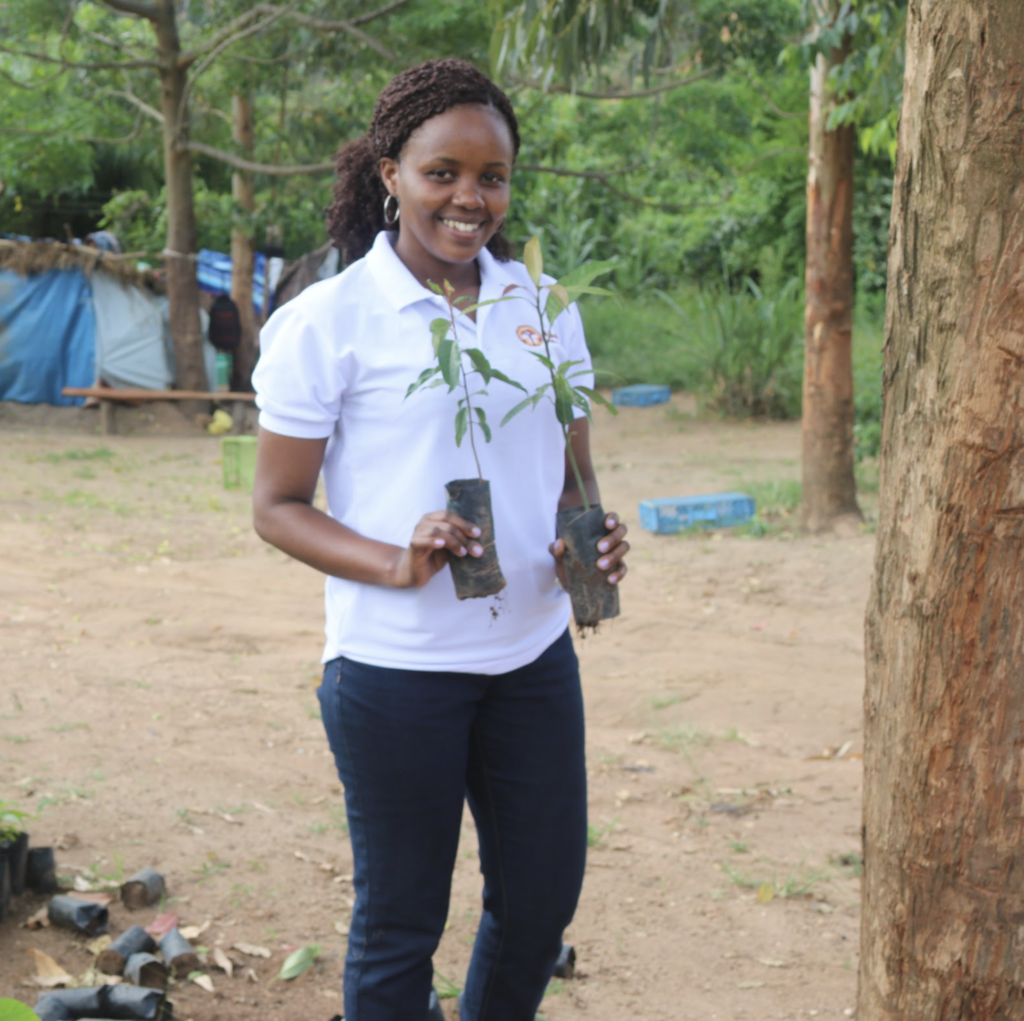
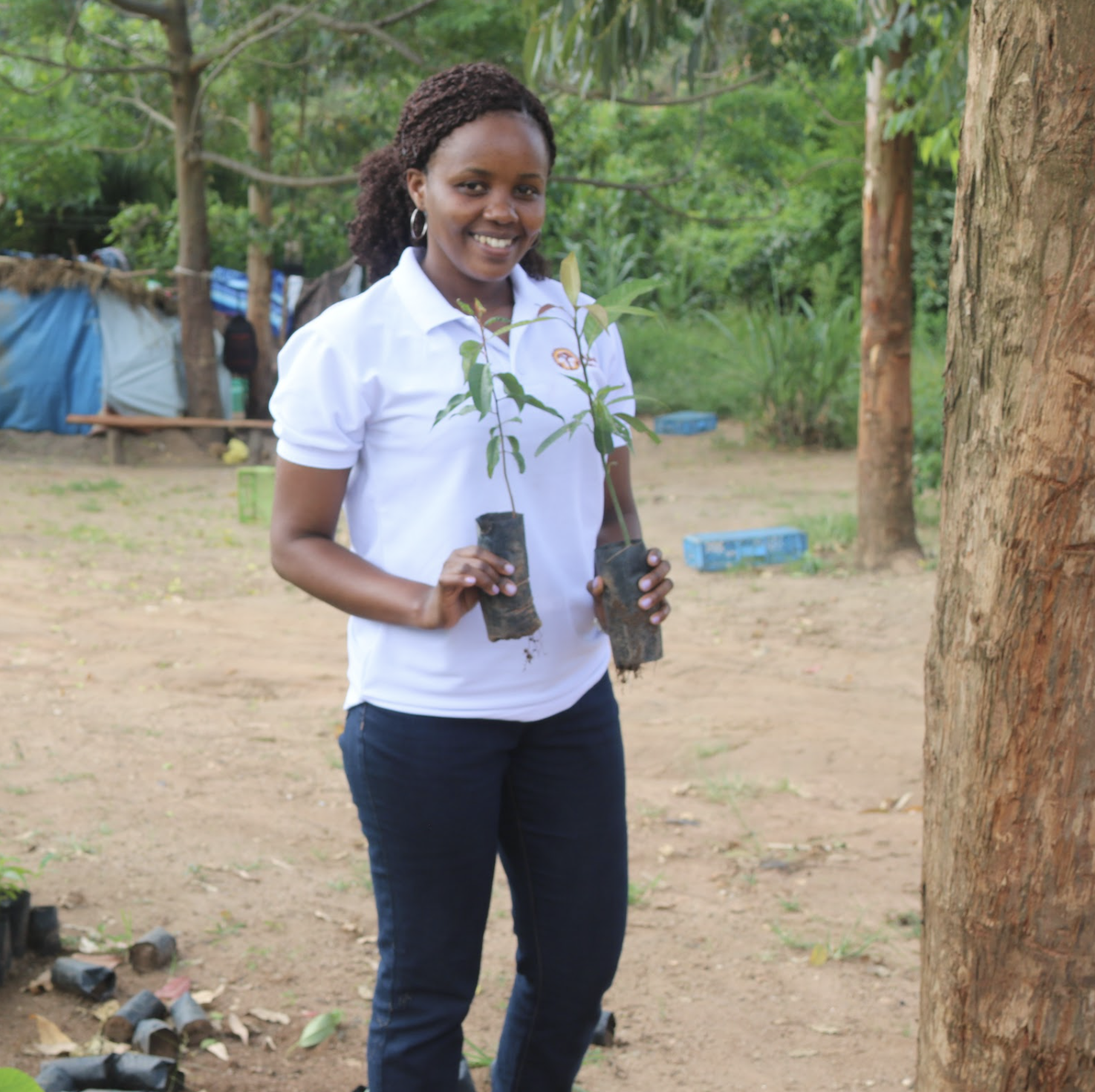
The theme for Earth Day 2026 is Our Power, Our Planet. This April 22nd, discover ways you can take part in some of the events across the globe. Whether it’s planting a tree, community cleanup, or donating to support earth day projects similar to those by Asante Africa students, together we can all make a difference.
 Investing in Girls Multiplies Impact
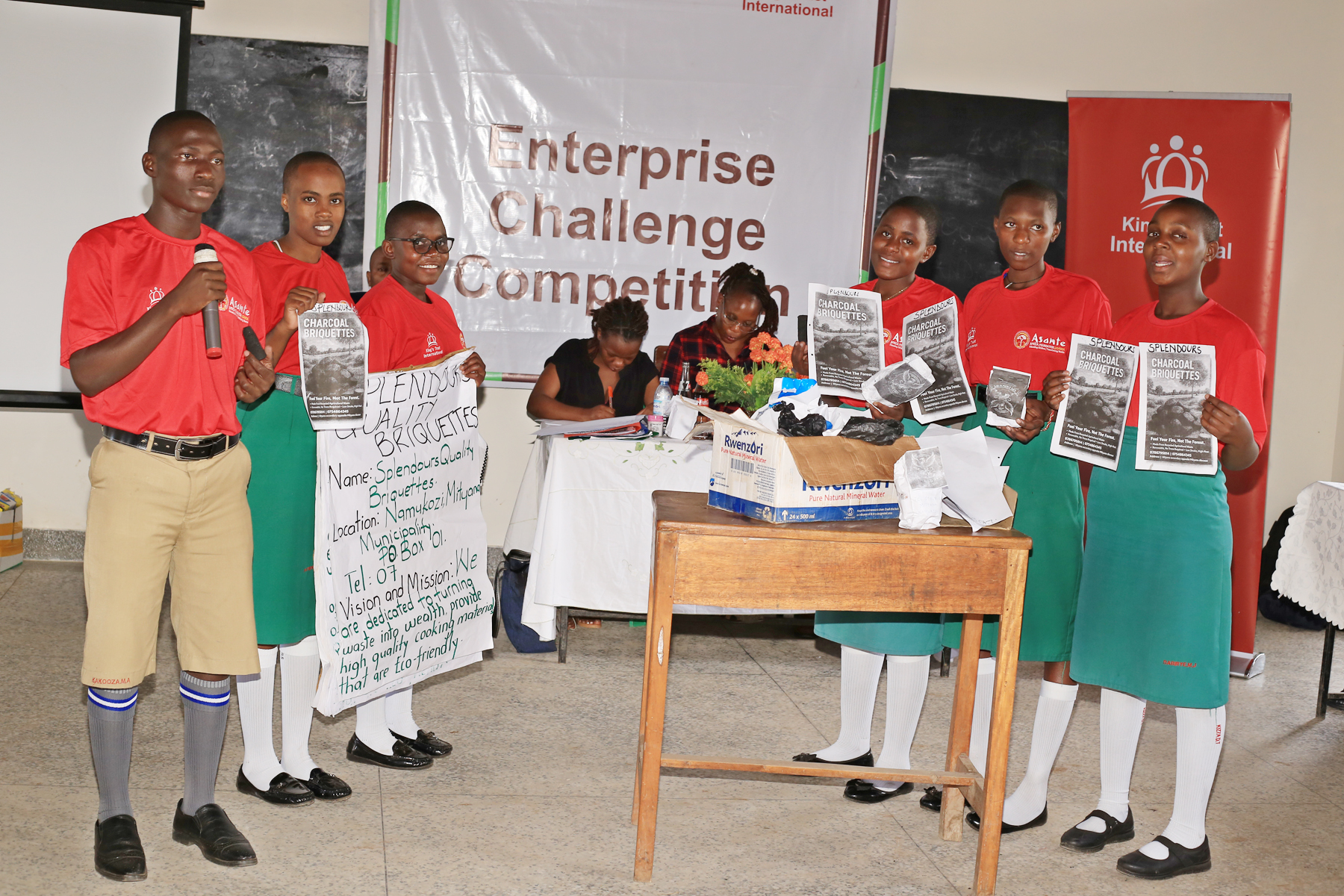
In celebration of Earth Day, here’s a theoretical project: transforming agricultural waste into affordable, eco-friendly “charcoal” briquettes. In the process you would reduce petrochemicals in food, trim deforestation and offer a cleaner overall alternative to traditional charcoal.
Except this idea isn’t theoretical: it’s exactly what a secondary student and her team conceived of when competing in a challenge in Uganda. The project allowed Doreen to apply her STEM knowledge in a practical way from measuring materials and testing fuel efficiency to calculating costs and managing production.
As a result, Doreen’s team (and school) earned national recognition at the competition’s finals. Examples like this consistently show us that investing in and educating girls leads to positive outcomes for entire communities.
In light of Earth Day in particular, positive outcomes are highlighted by higher education rates and increased school retention, leadership in climate and justice initiatives and broader environmental impact. They are the result of what happens when opportunity meets determination.
The Future Is Taking Root
Earth Day 2026 is a call to action, not just for the planet, but for all of us to invest in what works. Those of us at Asante Africa are lucky enough to be in a position where we can help empower the real changemakers: East African youth.
With skill-building and know how these girls and boys are gaining from initiatives like the Youth Livelihood Program, related scholarships and the Enterprise Challenge, they’re proving that real, sustainable businesses are being built on the ground, every day.
With continued support, these young leaders will shape a cleaner, more resilient Africa this Earth Day, and for those to come.
Do your part to create a scalable environmental impact by investing in solutions that are already working.
WRITTEN BY: Christopher Bass