
Franchising has long been known to be a strong strategy for starting a business, mainly because, in spite of the large initial capital needed, the franchisee has immense support. The franchise offers an array of support such as training, branding, a popular name and marketing. “Starting a business from scratch can be incredibly daunting because you’re building absolutely everything from the ground up,” says Humairah Asmal, Regional Franchise Owner: Fastway Couriers. “With a franchise, you have an established brand, systems, processes and support, which gives you a much stronger foundation.”
For Asmal, the biggest benefit of buying a franchise in South Africa was having people and a network around her. “Entrepreneurship can sometimes feel like you’re on your own, but being part of a franchise means you have access to experience, knowledge and support. You still have to work extremely hard to make the business successful, but you don’t have to reinvent the wheel.
“It allowed me to focus more of my energy on growing the business and looking after our customers and our people.”
Owning a Franchise Comes with Responsibilities
Asmal owns the regional franchise outright in the Klerksdorp area. “Owning a regional franchise means much more than simply owning a business. I’m responsible for an entire operation, from our customers and franchisees to our people and the day-to-day decisions that keep everything moving. It means having the freedom to make decisions and build the business, but also having the responsibility that comes with it.”
She shares that the opportunity to own something that had real growth potential while allowing her to build a business for herself and her family was a major consideration for obtaining the regional franchise rights for Fastway Couriers. “I was also attracted to the fact that the courier industry is such an essential part of everyday life and business — there will always be a need to move parcels and connect people and businesses.”
Asmal wanted something with an established business model and a product or service that had genuine demand. “Fastway stood out to me because I wasn’t buying into a completely unknown business. There was already a recognised brand, systems, processes and support behind it. That gave me the confidence to take the leap into entrepreneurship while still having the freedom to run and grow my own business.”
Entering the industry and acquiring the entire regional franchise was simpler than expected. “I found an online advertisement about owning a courier franchise, and on contacting the head office, I was told the regional franchise was available. This was during the COVID-19 pandemic, when courier services became an everyday need,” Asmal wanted to capitalise on this opportunity. “The more I learned about it, the more I realised that it was an opportunity worth taking seriously.”
Asmal took the leap. “I was fortunate enough to contribute my own funds towards the purchase, and I viewed it as an investment in myself and in my future. It was a significant financial decision, so it wasn’t something I took lightly.”
What Does the Fastway Regional Franchise Look Like?
What makes a regional franchise different from a courier franchise (depot) is that it is a higher “level” than the latter. “The responsibility of a regional franchisee is to give support to courier franchisees,” Asmal explains. “What I love about Fastway is that being a courier franchisee means you own your own territory. Unlike other courier drivers who just deliver for the courier companies. Here, the drivers are owners, and it pushes them to excel and grow. My role is to make sure they do just that by supporting them in any means necessary, from calling clients to assisting with any issues they have along the way.”
The courier’s structure has a main regional depot with sub-depots that the regional franchisee (RF) oversees. Some are owned by courier franchisees, whereas others are regional franchisee-run until they are purchased by a courier franchisee. “Our job is to make sure the sub-depots run efficiently and are supported continuously,” she adds.
Asmal has sub-depots that fall under the regional franchise but are courier-owned. “These are located in Mahikeng, Randfontein and Carletonville. There are also courier franchise areas like Potchefstroom and Wolmaransstad that are RF-run until they are purchased by courier franchisees. Therefore, it is the RF’s responsibility to run those depots at the same level as the courier-owned areas.”
Courier areas that are not sold within the Klerksdorp RF area fall under Asmal’s regional franchise. “It means that I am responsible for hiring contractors to get the parcels delivered and meeting all KPIs. Contractors work on a day-to-day basis depending on their availability and the parcel load that comes in. We also offer them a chance to see what it would be like for them to own the area, should they be interested in purchasing it.”
The Women Who Make it Possible
An interesting point about Asmal’s RF is that it is mostly women. “My general manager, Sophy Sedi, watches over everything and is also head of finance. Abigail Visser is Head of Operations. She makes sure all the couriers and contractors, as well as sub-depots, are meeting their requirements and KPIs. Megan Brown is in charge of clients and pick-ups; she makes sure all clients are satisfied. Mildred Blair is in charge of our problem freight. This means that, should parcels not be delivered for any reason, she follows up with the clients, sends them and resolves any issue preventing the parcel from being delivered.”
Asmal shows a deep appreciation for her team. “It has been a joy working with a female team, especially Sophy and Abigail, who have been in the business for longer than I have and have made my business decision to own this regional franchise smooth sailing.
“We also lost a senior female in our business last year, Marina Steyn. She was office manager and head of finance at the time and was a beloved Fastway employee for many years. Her passing still leaves a hole in our little regional franchise.
Asmal also notes that last-mile delivery and logistics are often seen as a male-dominated industry. “I’m also proud that I’ve been able to establish myself and prove that women can be very successful in the logistics and courier space.
Entrepreneurship and Learning Go Hand-in-Hand
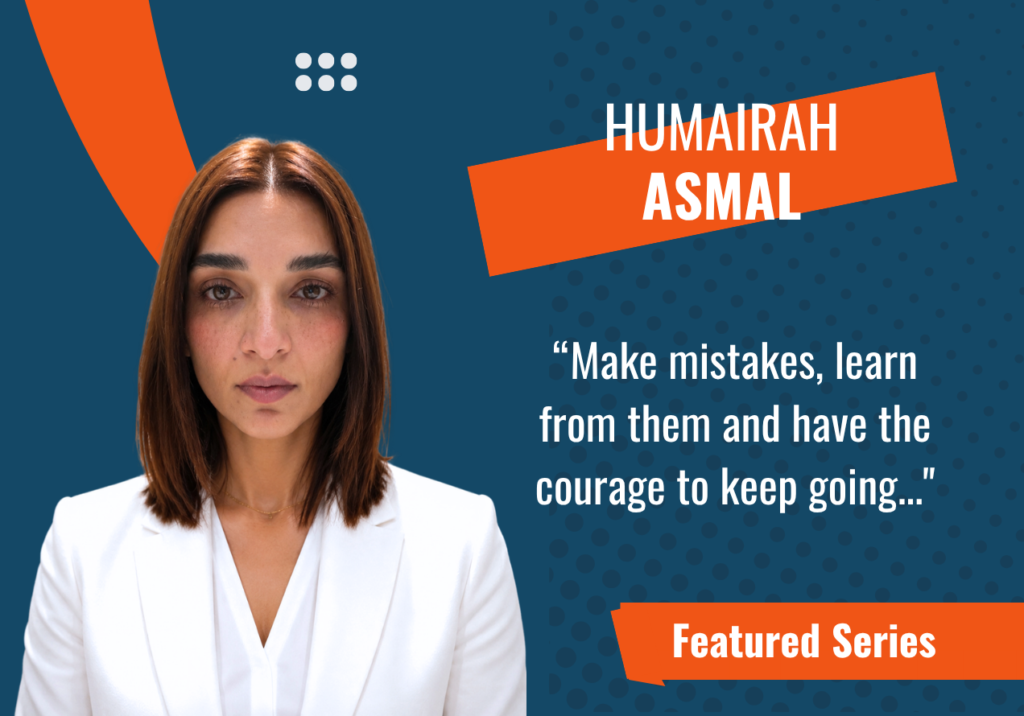
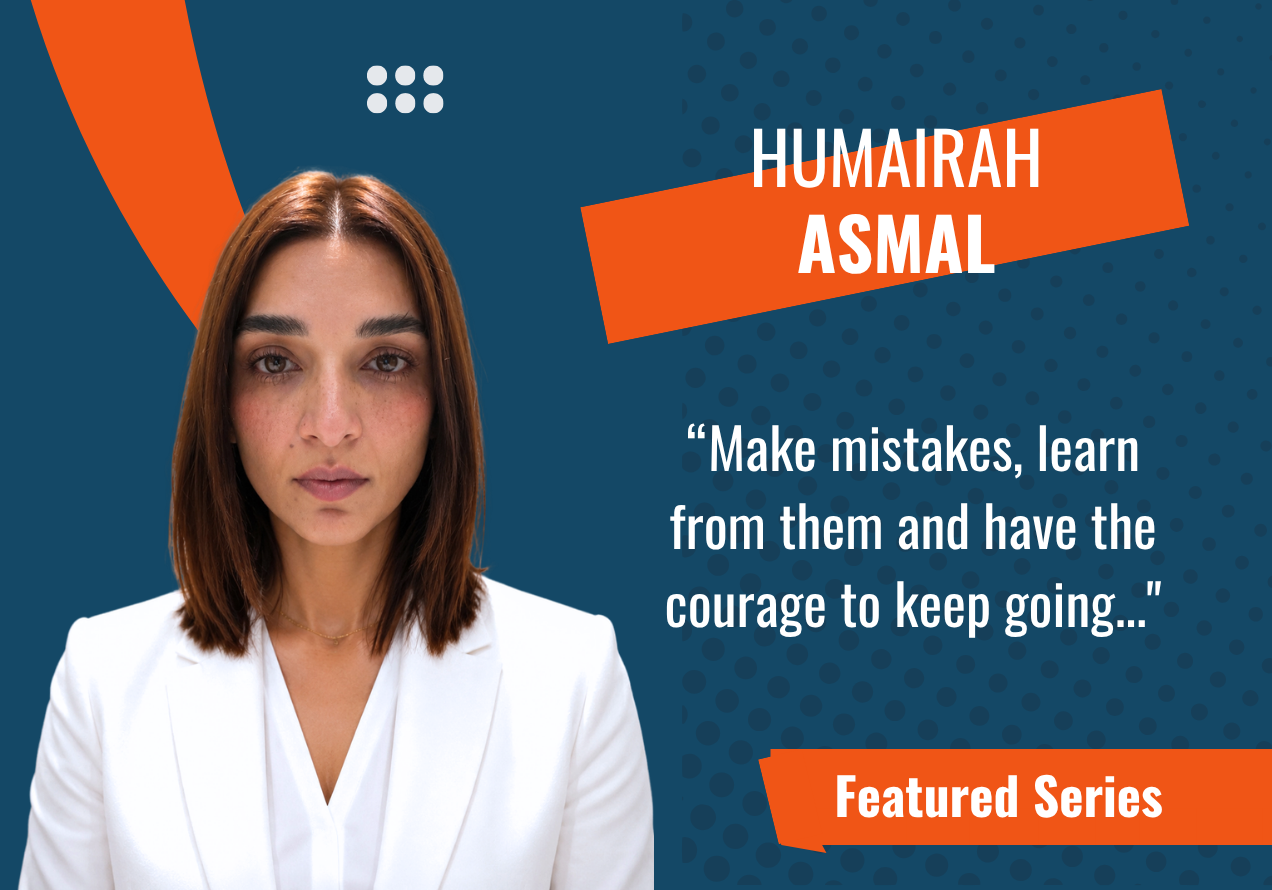
She shares that her entrepreneurial journey has been one of learning, taking risks and constantly adapting. “I didn’t necessarily start out knowing everything about running a business, and I certainly didn’t have all the answers when I started. A lot of what I know today has come from experience — making mistakes, learning from them and having the courage to keep going.”
Owning a regional franchise taught her so much about leadership, people management, financial responsibility and making decisions under pressure. “There have been challenging periods, but those challenges have probably taught me the most.
“As a woman in the courier industry, I’ve also had to find my voice and be confident in my decisions. I’ve learned that you don’t have to change who you are to succeed in business. You can lead in your own way and still be taken seriously,” she says. “Looking back, I’m proud of how far I’ve come and of the business we’ve built.”
Franchising has long been known to be a strong strategy for starting a business, mainly because, in spite of the large initial capital needed, the… Read More