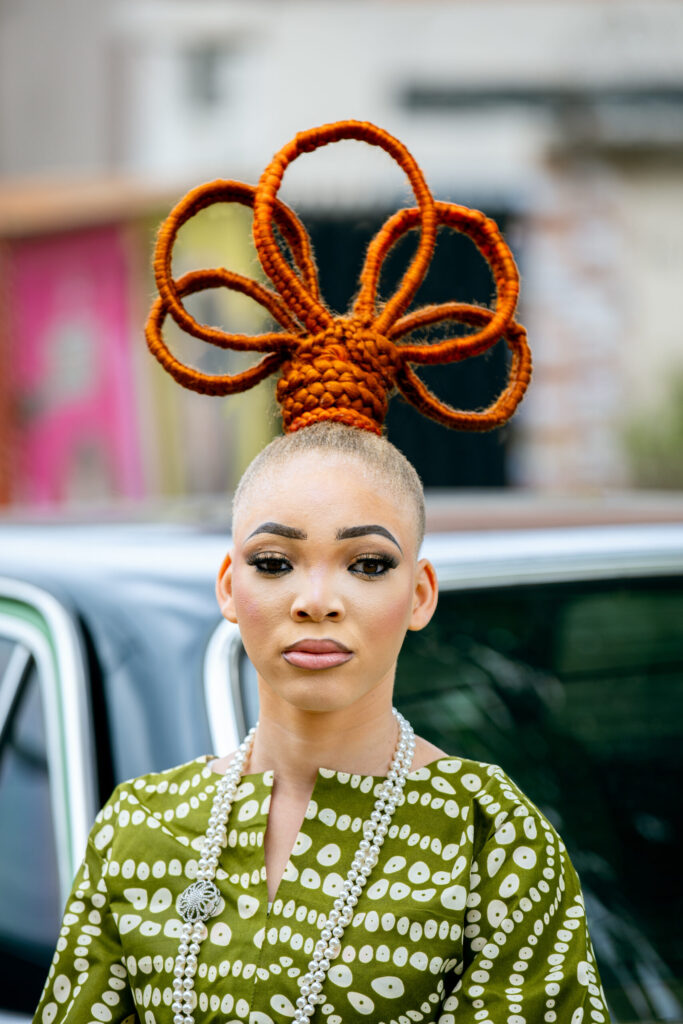
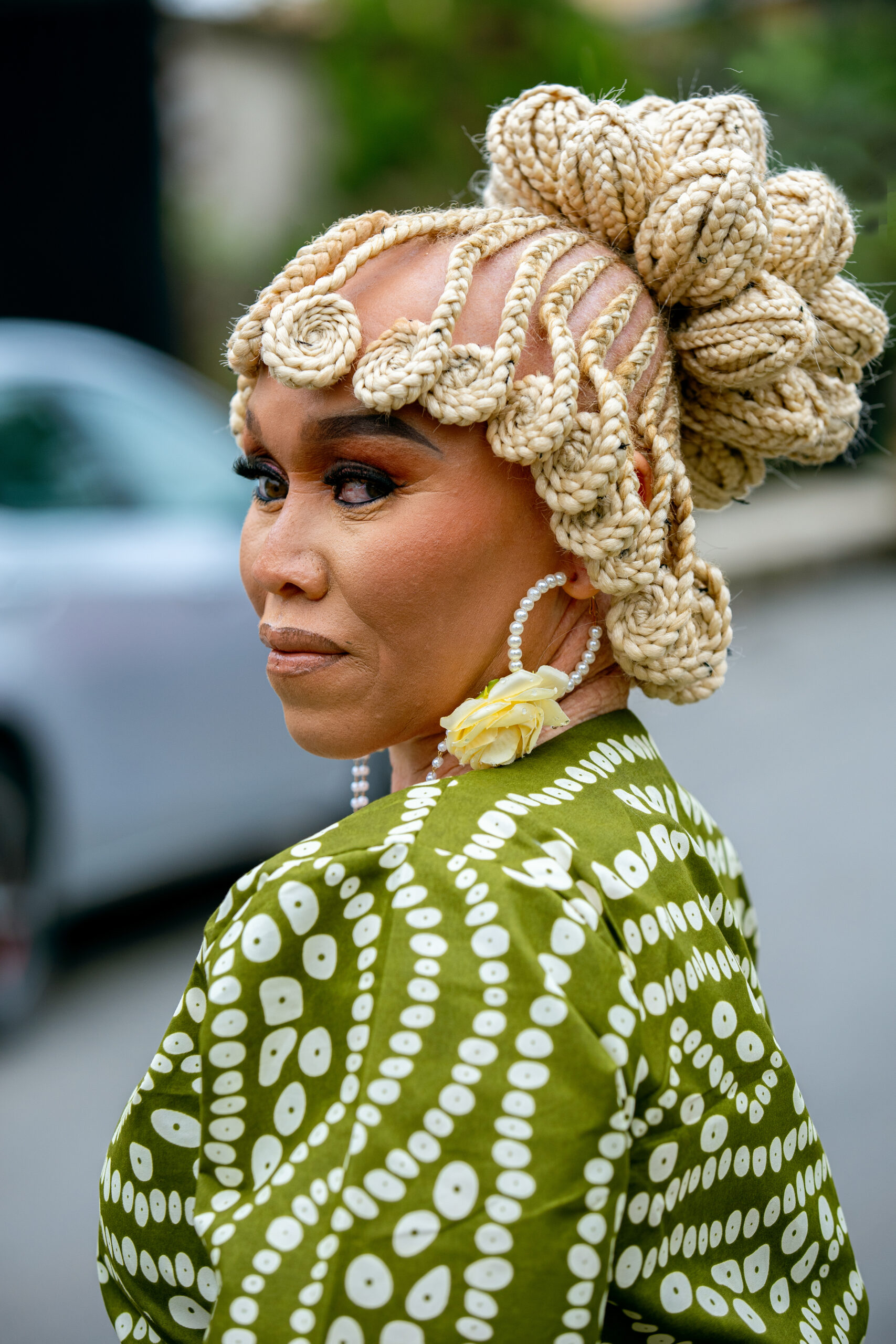
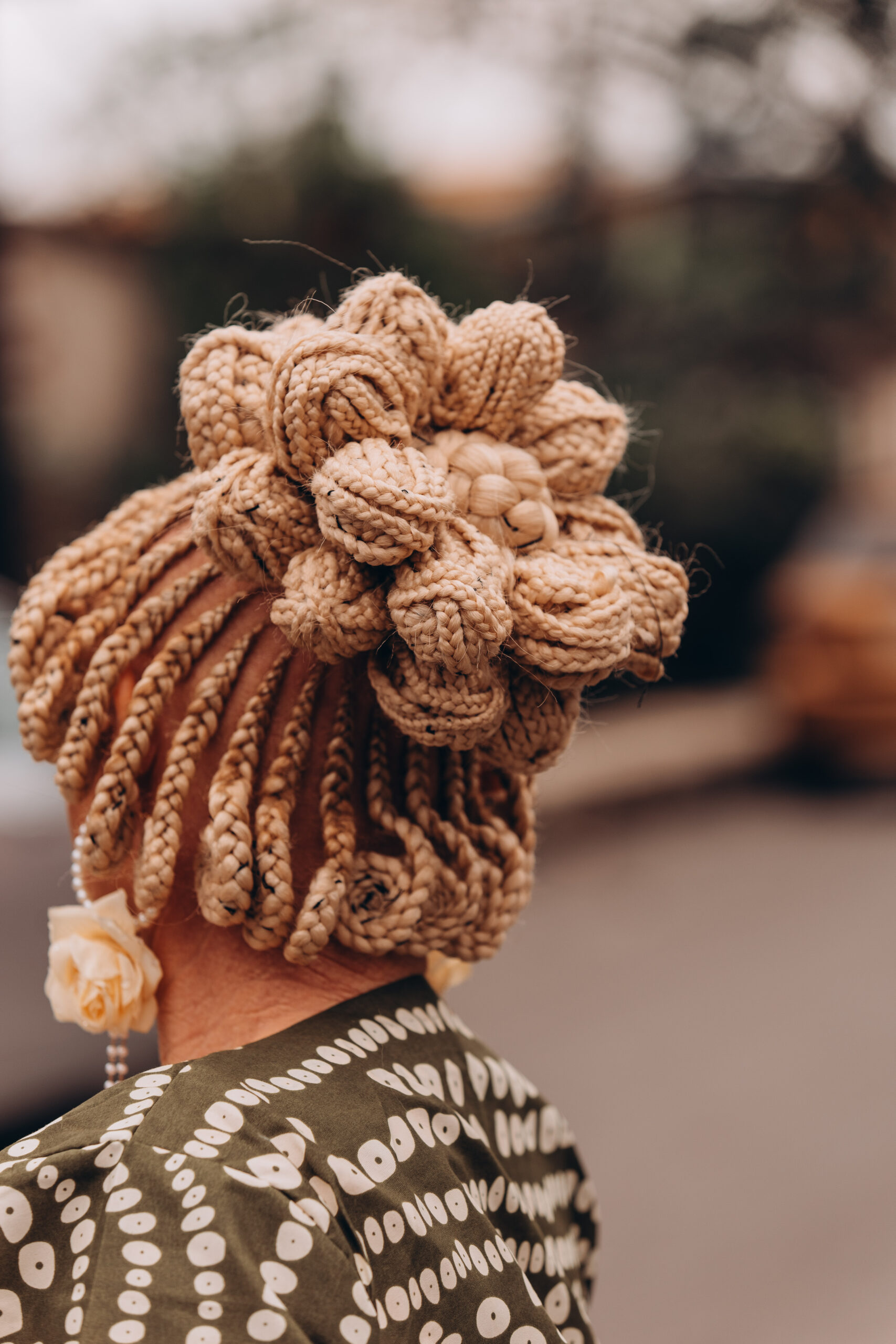
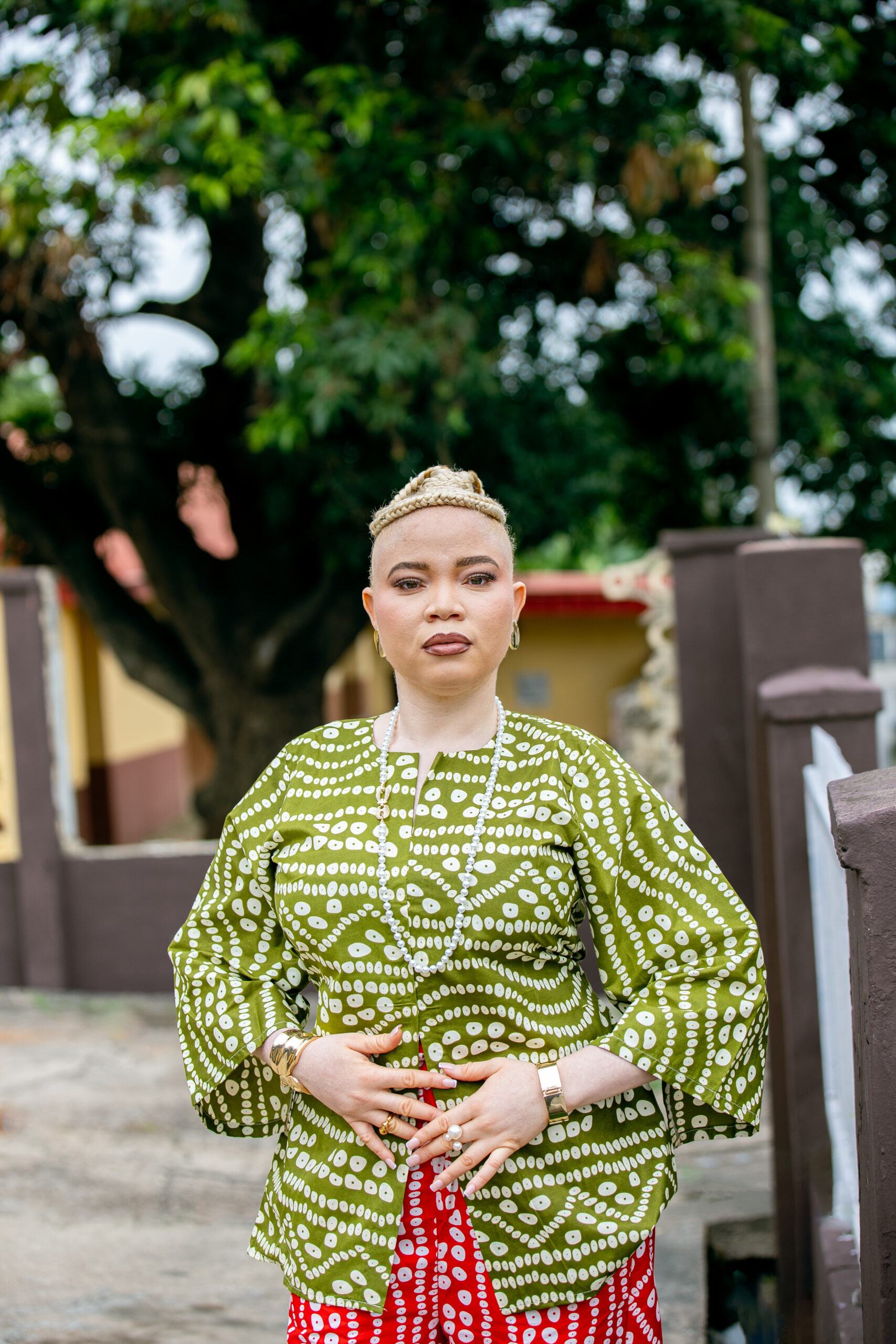
For International Albinism Awareness Day, we invite Aderopo Afolabi, a Nigerian photographer and visual artist whose work explores themes of identity and cultural visibility, to share insights into his ongoing project, which presents women living with albinism through the lens of individuals with agency, presence and complex lived experiences.
He talks about his work, what he hopes the project will inspire and why photography is such a powerful tool for challenging underrepresentation.
Hey Aderopo. Thank you for sharing this packet of work with us. When creating these portraits, what does your creative process look like, and how do you ensure the subjects are collaborators in telling their own stories rather than being photographed?
Thank you for having me. My creative process begins with research, conversation and trust. I have explored identity, representation, fashion, and cultural expression in my work, and I believe meaningful photographs come alive when people feel seen, heard and respected. I regularly spend time learning about their experiences, perspectives, and how they wish to be represented.
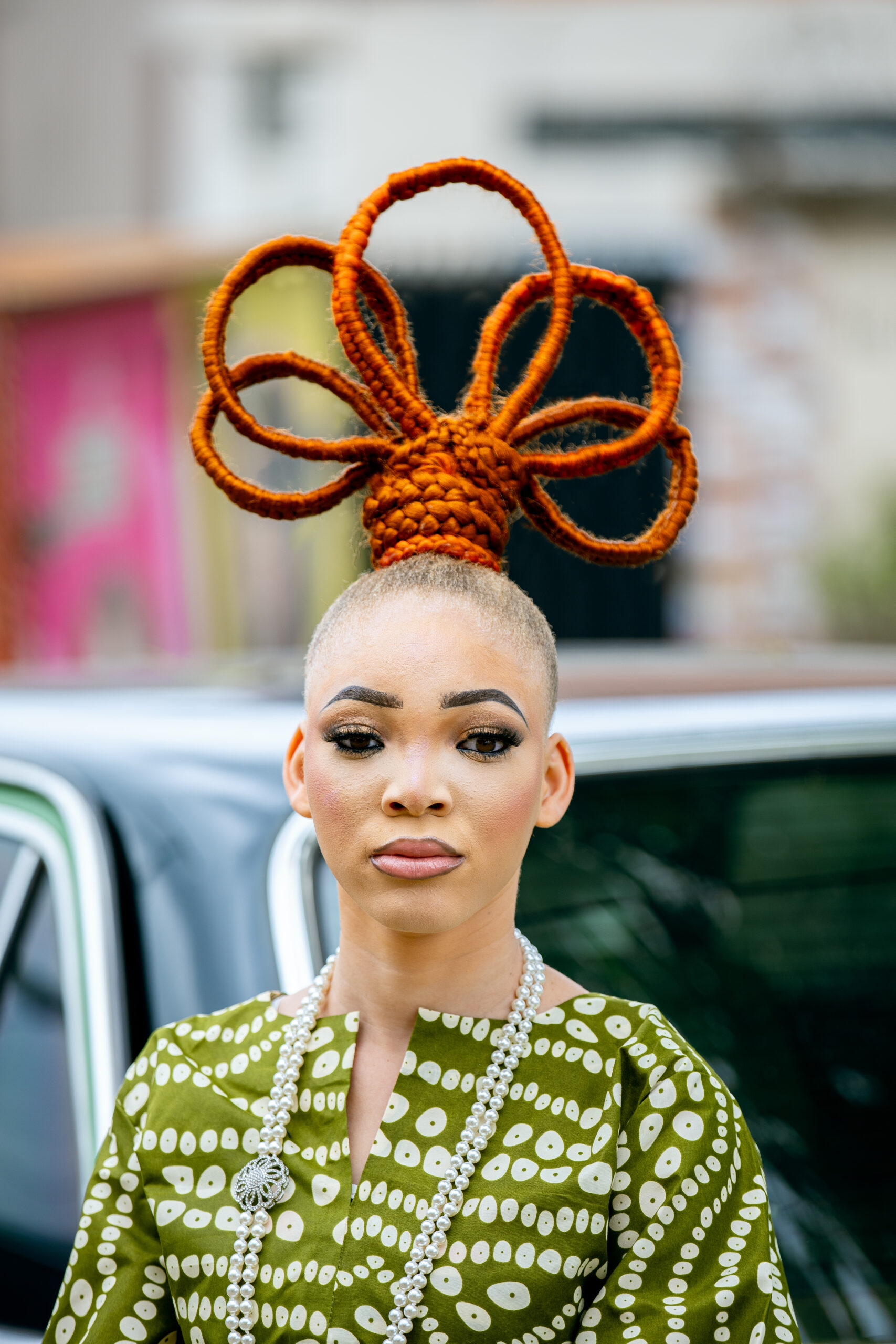
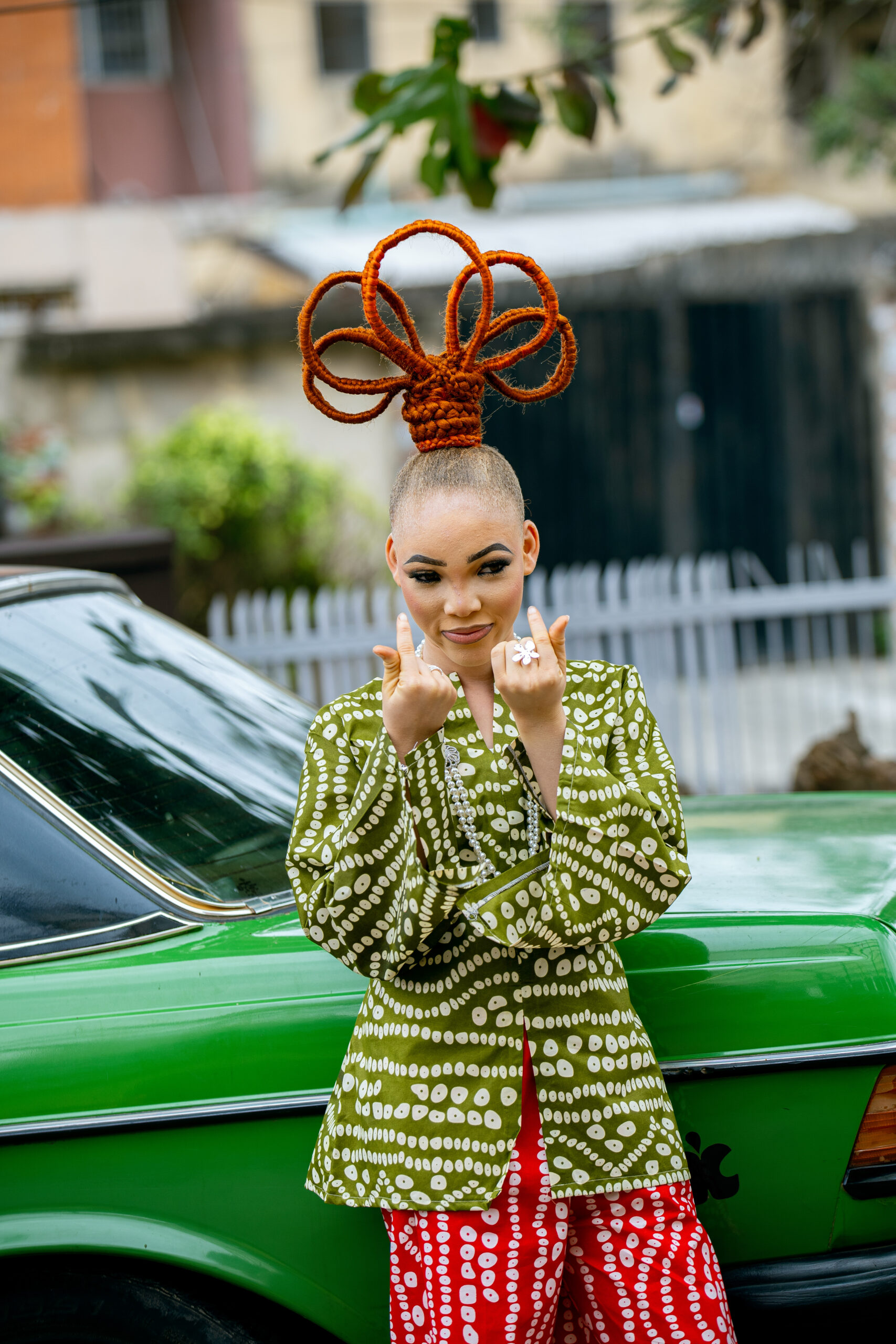
Rather than approaching the project from an outsider’s perspective, I wanted the women to be active collaborators in shaping the narrative. I collaborated with Mistyglamcompany, Nigeria’s first albinism advocacy project and the initiative’s lead implementer. We extensively discussed themes of visibility, beauty, identity, and belonging, and these conversations informed the creative direction of the portraits. Fashion also played an important role, as it often does throughout my work, serving as a powerful form of self-expression and individuality.
Taking photographs is not simply about documenting a person; it involves creating a space where individuals can represent themselves authentically. The resulting images are therefore collaborative visual narratives that reflect the confidence, dignity, and individuality of each participant.
Why was it important for you to focus on women living with albinism, and what conversations do you hope these images inspire?
Throughout my journey, from supporting Black women in fashion to championing diversity and confronting appearance-based discrimination through my project about Hijab Women Project, I remain a steadfast advocate for Women’s representation in fashion. And as is known, women living with albinism remain significantly underrepresented in photography, fashion, and media, despite having important stories and experiences that deserve visibility.
It was important for me to create a body of work that challenges stereotypes and shifts the narrative surrounding albinism. Too often, people with albinism are defined by misconceptions or viewed through a limited lens. I wanted to create portraits that celebrated the women as confident individuals, cultural contributors, and active participants within society. Through collaborative storytelling, the project explores identity, beauty, visibility, and belonging while creating space for authentic self-representation.
Advocacy can take many forms. What makes photography such a powerful tool for challenging underrepresentation, and why do you believe an image can sometimes communicate what words alone cannot?
As I previously mentioned, throughout my practice, I use photography as a tool for cultural documentation and representation. My work continuously explores how identity is constructed and communicated through visual culture. I am interested in how photography can challenge existing narratives and create new ways of seeing.
As I have consistently highlighted in my work, fashion is a ubiquitous cultural phenomenon that transcends social and cultural divisions. It exists as a form of identity and expression that should be accessible to all, irrespective of race or personal background. By its very nature, fashion is inclusive, as it reflects the shared human desire to communicate individuality, creativity, and a sense of belonging.
A photograph can challenge assumptions, create empathy and encourage reflection within a matter of seconds. For communities that have historically been overlooked or underrepresented, visibility itself can be transformative. I ultimately believe photography has the ability not only to document reality but also to influence how people understand one another, fostering greater inclusion, understanding and belonging within society.
The post International Albinism Awareness Day: Aderopo Afolabi on Using Photography to Reframe the Narrative Around Albinism appeared first on BellaNaija – Showcasing Africa to the world. Read today!.
For International Albinism Awareness Day, we invite Aderopo Afolabi, a Nigerian photographer and visual artist whose work explores themes of identity and cultural visibility, to share insights into his ongoing project, which presents women living with albinism through the lens of individuals with agency, presence and complex lived experiences. He talks about his work, what
The post International Albinism Awareness Day: Aderopo Afolabi on Using Photography to Reframe the Narrative Around Albinism appeared first on BellaNaija – Showcasing Africa to the world. Read today!. Read More