
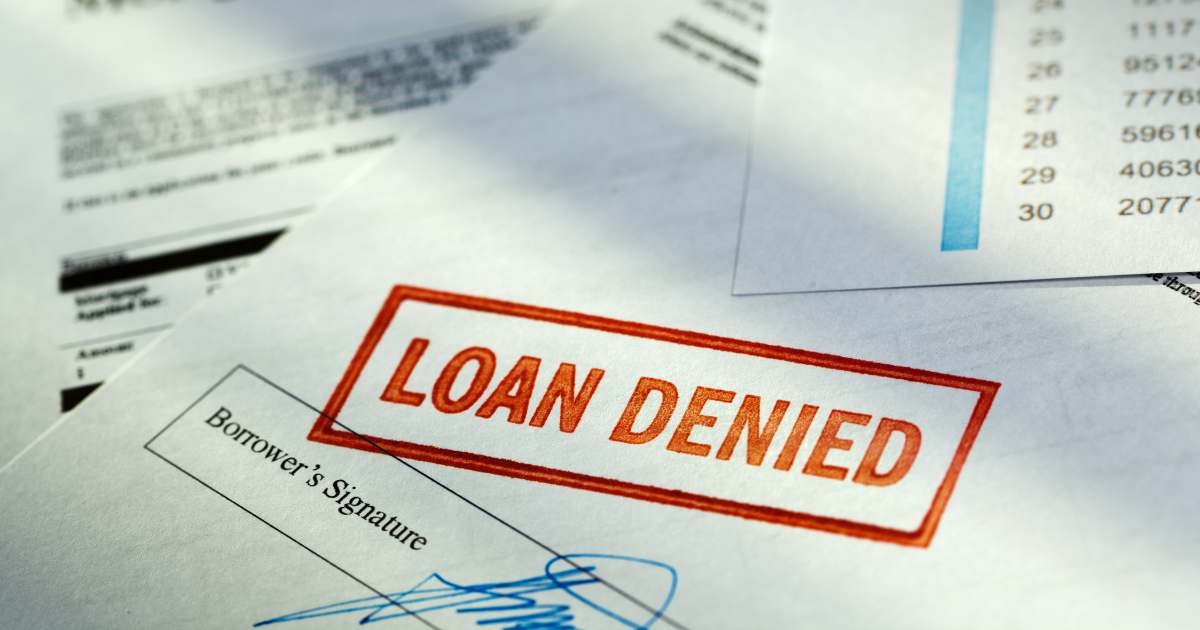
Securing funding is the most critical hurdle for small to medium-sized enterprises (SMEs); however, they may struggle to get capital because of mistakes they make. To effectively close the funding gap in the SME sector, small business founders need to be educated and made aware of where they might be failing.
Funding education is vital for SMEs because it bridges critical skill gaps, improves financial literacy, and directly enhances business survival rates. Educated entrepreneurs are better equipped to manage cash flow, navigate challenging economic landscapes, and secure funding by credibly presenting their business viability to investors.
In this article, we look at some of the common funding mistakes SMEs make and provide solutions that will help you secure funding.
Five Mistakes SMEs Make When Applying for Funding
Typically, when applying for funding, founders believe their business is the reason for rejection; however, that is not the case. The problem is usually how the funding application is prepared and how the business is presented.
Here are the five most common mistakes SME owners make when applying for finance.
1. Applying to One Lender
Many SMEs only apply for funding through their bank or a single alternative lender. The reality is, all lenders have different risk appetites, pricing models and approval criteria. For example, banks tend to be quite risk-averse and will not provide funding to micro businesses. On the other hand, alternative lenders assess risk differently and might be more open to financing a micro business.
The Solution: Applying to multiple lenders protects your SME in several critical ways. It ensures that:
- Lower interest rates and fees: Comparing offers gives you leverage to negotiate better terms and lower overall costs.
- Higher approval rates: Spreading applications buffers your business against a single rejection.
- Faster turnaround time: Having multiple applications in motion ensures you get capital when you need it, rather than waiting weeks for a single underwriter to decide on your application.
- Finding the right fit: Comparing options ensures the funding structure matches your business goals.
2. Unprepared Financial Information and Documents
Incomplete or disorganised financials slow down applications more than anything else. Typically, SME founders are in a rush to secure funding and end up submitting applications with missing bank statements, tax returns, management accounts or old debtor/creditor reports.
The Solution: Clear financial information proves to lenders that your SME is a low-risk, capable borrower. Here is why accurate and organised financial data is critical to your funding applications.
- Proves repayment ability: Lenders need to see a solid historical track record and realistic forecasts to ensure the business can comfortably service a loan or generate a return on investment.
- Demonstrates risk management: Up-to-date reports, such as your income statement, balance sheet, and cash flow statement, show lenders exactly how you generate and spend your money.
- Ensures compliance: Regulatory and tax documents (like your SARS Tax Clearance) are non-negotiable prerequisites that verify your business’s legitimacy and financial health.
- Prevents delays: Poor record-keeping often requires heavy manual diligence from loan officers or results in unexpressed borrowing needs, which severely delay or derail the funding process.
3. Applying for the Wrong Funding Product
Most SMEs choose to apply for funding they think they need, instead of applying for funding that aligns with their cash flow or growth plans.
The Solution: Applying for the right SME funding product is crucial because it ensures your capital aligns directly with your specific business needs. Selecting the correct product offers distinct operational advantages:
- Matching terminology to need: Short-term working capital bridges cash flow gaps caused by delayed payments. Conversely, long-term loans or equity are better suited for permanent physical expansion or heavy equipment purchases.
- Protecting cash flow: Funding products like revenue-based advances tie repayments directly to your turnover. This ensures you aren’t burdened with punishing fixed repayments during slower trading cycles.
- Prevents over- or under-borrowing: Applying for the correct amount helps you seize growth opportunities without sacrificing equity or taking on unmanageable interest loads.
4. Not Explaining the ‘why’ Behind the Funding Request
Lenders do not only look at your financial statements when you apply for funding. They also assess the purpose, risk and impact of the application. Without a clear purpose stated, your application will be rejected.
The Solution: A transparent, strategic narrative connects raw financial data to actionable growth plans, helping funders see the business as a responsible, sustainable partner rather than a risky liability.
Clearly communicating the purpose of funds is crucial for the following reasons:
- Proving repayment capacity: Funders (whether banks or government funds) need to know exactly how the capital will generate revenue to cover interest or equity returns.
- Bridging information gaps: Without a narrative, all SMEs can look equally risky. Explaining your business model, customer base, and competitive edge proves you understand your market, not just your product.
- Alignment with funder expectations: Investors want to see that capital is going toward scalable operations (like purchasing equipment or launching a new product line) rather than just patching up cash flow emergencies.
- Establishing accountability: A compelling “why” sets the stage for a transparent partnership, which builds credibility and opens doors for future investments.
5. Waiting Until Cash Flow is Low
Most SMEs apply for funding when cash is already strained. This is too late. By then, bank statements may show returned direct debits, declining balances, or creditor pressure — all red flags.
The Solution: Securing capital when finances are strong allows you to negotiate better terms and leverage funds for growth rather than survival. Waiting until you are in a financial crisis to apply for funding is dangerous for several reasons:
- Lenders fear risk: Financial institutions look for stability. An overdrawn account or missed supplier payment signals high risk, often leading to automatic rejection or punitive interest rates.
- Application delays: Traditional banks and lenders can take anywhere from 4 to 8 weeks to approve SME loans. If you wait until you are out of money, your business will likely grind to a halt long before the funds arrive.
- Forced into bad debt: Under immense pressure, business owners may hastily accept predatory, high-interest loans that further cripple their revenue.
- Compliance pitfall: Applying for funding requires robust documentation, such as tax compliance certificates, management accounts, and bank statements. These documents take time to organise and are harder to assemble when you are in a panic.
If you are experiencing issues with your funding application, use the above to check where you might be lacking. By approaching funding applications as a growth strategy, you will always be prepared for any funding criteria, and you will be able to clearly state why you need this funding.
Securing funding is the most critical hurdle for small to medium-sized enterprises (SMEs); however, they may struggle to get capital because of mistakes they make.… Read More