The tribunal that handed Asenathi Ntlabakanye an 18-month doping ban found he genuinely relied on the Lions’ medical system.
But it ruled that it didn’t remove his personal responsibility under anti-doping regulations.
The three-Test Springbok prop was suspended until 13 November 2027 after being found to have committed an anti-doping rule violation.
A 44-page written ruling, released after the hearing, reveals that former Lions team doctor Rob Collins declined to testify in Ntlabakanye’s defence after receiving legal advice.
ASENATHI: Doc said ‘shap, all good’ to prescribed meds
The Independent Doping Tribunal described Collins as “central to the medical process”, adding that his actions – or omissions – were critical in the chain of events that led to the anti-doping violation.
However, the panel said Collins’ absence from the hearing limited the direct evidence about what checks he performed on the medication prescribed to Ntlabakanye.
The tribunal accepted that Ntlabakanye relied on Collins and the Lions’ medical staff, but ruled that his reliance fell short of the “utmost caution” required under anti-doping rules.
It therefore found that while the prop was not guilty of significant fault or negligence, his conduct amounted to reckless disregard.
According to the ruling, Ntlabakanye’s defence was that the prohibited substances entered his body through the Lions’ medical system rather than through any private or self-directed use.
He told the tribunal he had been referred to specialist Dr Bhana through the Lions, returned with the prescribed medication to Collins for approval, and was told everything was “all good” or “shap”.
ASENATHI: Doc said ‘shap, all good’ to prescribed meds
From there, the medication was managed by the Lions’ medical department. Ntlabakanye said administrative assistant Alicea van Niekerk issued him with his medication each week, while either Collins or Dr Genis administered his weekly Mounjaro injection for weight loss.
The prop said he did not know the names of the medication because he trusted the Lions’ medical staff had checked that everything complied with anti-doping regulations.
ALSO: Saids hits back at UK media doping claims
The South African Institute for Drug-Free Sport argued that, regardless of any shortcomings in the Lions’ medical processes, athletes ultimately remain responsible for ensuring no prohibited substance enters their bodies.
The organisation also argued that Ntlabakanye, as an elite professional player with anti-doping education, should have independently verified the medication rather than relying solely on assurances that everything was “all good”.
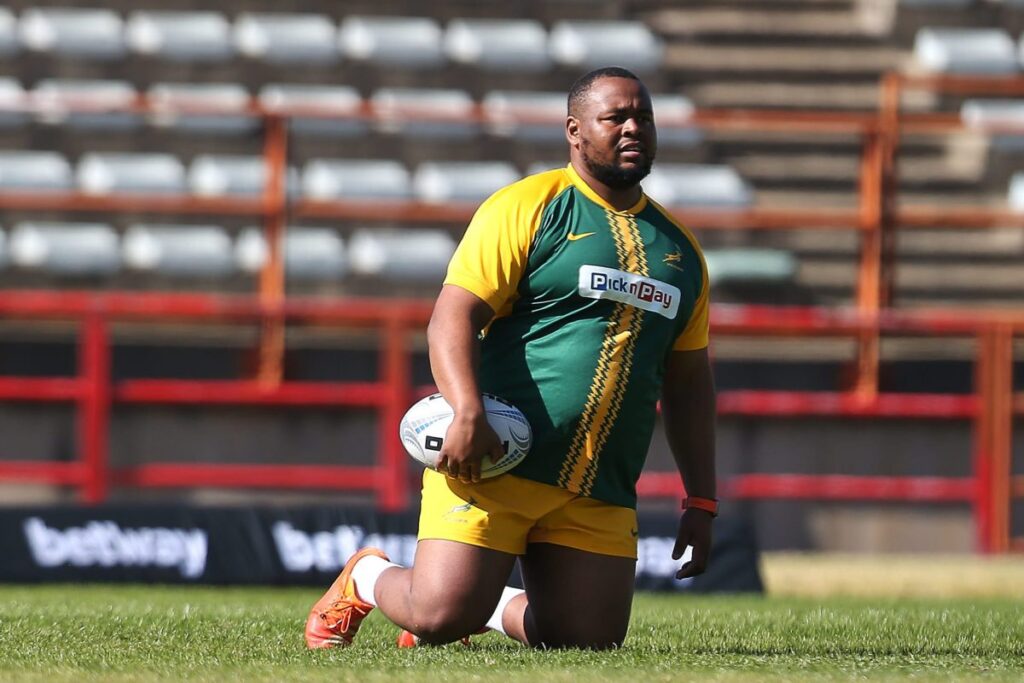
Photo: Daniel Hlongwane/Gallo Images
The post Trust cost Asenathi in doping case appeared first on SA Rugby magazine.
The tribunal that handed Springbok prop Asenathi Ntlabakanye an 18-month doping ban found he genuinely relied on the Lions’ medical system.
The post Trust cost Asenathi in doping case appeared first on SA Rugby magazine. Read More