

Checklist: 10 essential skills for young people starting their first job in Kenya
Getting your first job in Kenya is no small thing. Youth unemployment sits at over 67% (yes, that number is real), which means landing that role took effort, luck, or both. The formal sector is growing, but it is also more competitive than ever, and the gap between getting hired and actually thriving at work is wider than most people expect. Organizations like Asante Africa Foundation and the International Humanity Foundation (IHF) are working to close that gap — through skill-building programs that give young people the practical tools they need to not just enter the workforce, but succeed in it.
Your first job is not just income. It is where habits form, reputations are built, and careers either take off or stall. The goal of this checklist is simple: To give you a practical, Kenya-specific look at what actually matters when you show up on day one. This is for fresh graduates, school leavers, and anyone stepping into formal employment for the first time.
#1 Professional Communication
Most workplaces in Kenya run on a mix of English and Swahili, and knowing when to use which matters. Formal emails go in English. A quick check-in with a colleague might be in Sheng or Swahili. The ability to move between these registers without losing professionalism is a real skill.
Written communication covers emails, reports, and even WhatsApp messages to your supervisor (yes, tone matters there too). Verbal communication means speaking clearly in a meeting, following up on instructions, and listening, actually listening, not just waiting for your turn to talk. It also means having the confidence to contribute an idea, ask a question, or step up when something needs leading.
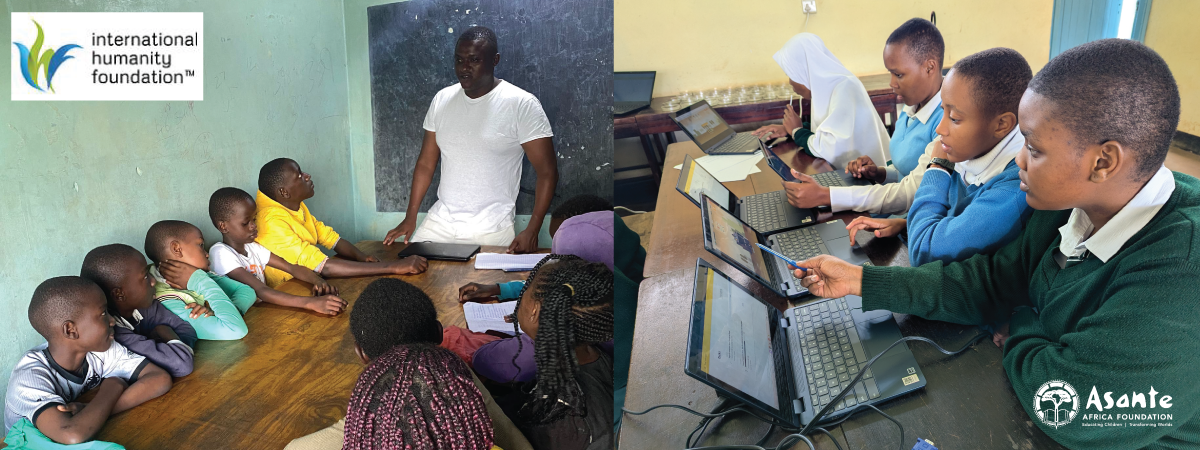
These habits take time to build, and the earlier you start, the better. Both Asante Africa Foundation and International Humanity Foundation begin developing leadership and communication skills early, embedding this focus across their programs for students. By the time you reach the workplace, the groundwork is already laid.
Checklist: Can you write a clear professional email from scratch and speak up in a meeting without waiting to be asked?
#2 Time Management and Punctuality
“Kenya time” is a cultural reality in social settings. In formal employment, it is a liability. Showing up late to work or to meetings signals something to your employer, and it is never something good.
Managing time at work starts before you even arrive. Nairobi traffic alone can derail your morning if you have not planned for it. Tools like Google Calendar, phone alarms, and simple to-do lists help you track tasks and deadlines. Prioritizing what is urgent versus what can wait is a skill you build over time, but the foundation is showing up on time and submitting work when it is due.
Checklist: Do you consistently show up on time and submit work before deadlines?
#3 Financial Literacy and Personal Budgeting
Your first payslip will look nothing like the salary you were promised (surprise!). Before that money hits your account, deductions have already been made: PAYE (Pay As You Earn tax), NHIF (health insurance), NSSF (pension), and the housing levy. On a Ksh 30,000 gross salary, you might take home closer to Ksh 24,000. Knowing what each deduction means and why it exists is the starting point.
From there, the work is budgeting that net figure across rent, transport, food, airtime, and savings, before the month ends. M-Pesa lock savings and bank accounts with standing orders are useful tools. The traps to avoid are real: salary advances, Tala and Branch loans with steep interest rates, and the social pressure to spend like peers who may be earning more or borrowing more than they let on. This is an area both Asante Africa Foundation and IHF addresses directly through their programs, which builds financial literacy skills for young people across all stages of their development — before and after they ever see a payslip.
Checklist: Do you have a monthly budget written down, and are you saving something (even Ksh 500 a month) consistently?
#4 Digital and Computer Literacy
Most entry-level jobs in Kenya will expect you to use Microsoft Word, Excel, and PowerPoint without needing a tutorial. Email platforms like Gmail and Outlook are standard. If your role is in finance, QuickBooks will likely come up. If it is in marketing or communications, Canva is almost guaranteed. If you want to build or strengthen these skills beforehand, programs like Asante Africa Foundation’s DEEP program and local online platforms offer practical, accessible training.
Beyond the tools themselves, basic digital hygiene matters: using strong passwords, recognizing phishing emails (the ones that look official but are not), and knowing not to open strange attachments. These are not advanced skills. They are table stakes, and gaps here get noticed quickly.
Checklist: Can you create a spreadsheet, draft a document, and send a professional email confidently?