

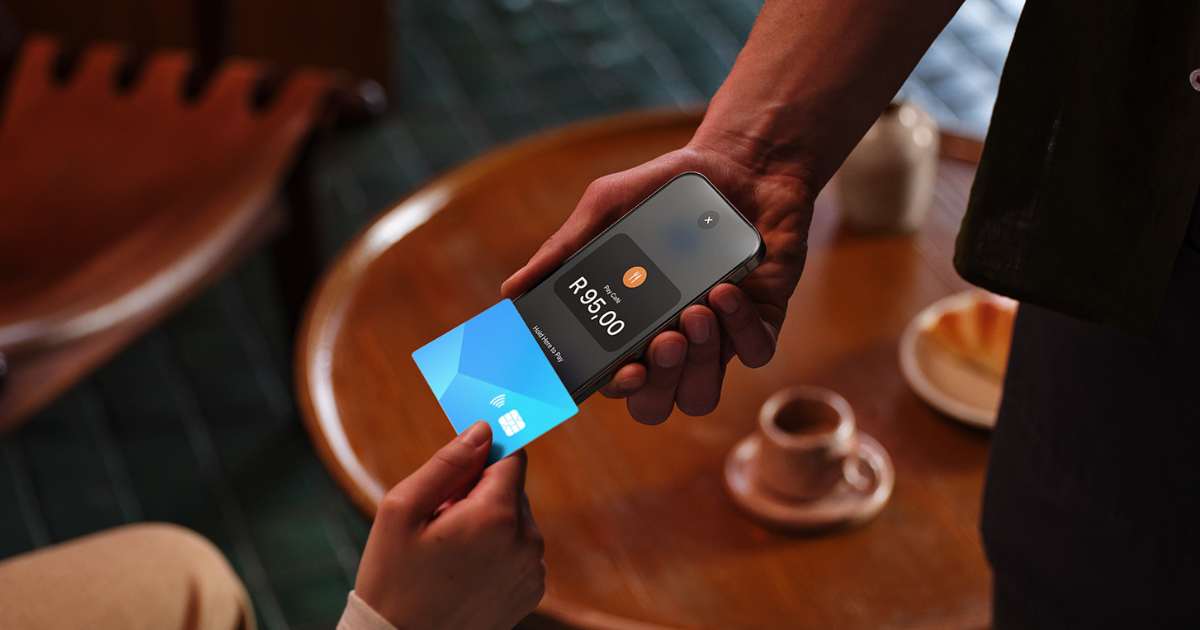
Apple’s partner store in South Africa, iStore, has launched a new business payment solution called iStore Pay. The new solution enables local businesses to seamlessly and securely accept all forms of in-person contactless payments, including credit and debit cards, Apple Pay and other digital wallets, using only an iPhone and the iStore Pay app.
According to the press release, alongside the tap-to-pay on iPhone feature, the iStore Pay app provides merchants with a centralised platform to manage payments and business activity. The new offering works on iPhone XS or later and runs on iOS 18 or later versions.
“Two decades ago, we set out to bring the very best of Apple to South Africans. With the launch of iStore Pay, that commitment now extends to entrepreneurs and small businesses,” says Chris Dodd, CEO of iStore South Africa.
How iStore Pay Works
Apple’s Tap to Pay on iPhone technology uses the built-in security and privacy features of iPhone to help protect customer data. Additionally, it is designed to maximise earnings and minimise complexity, offering entrepreneurs an alternative to traditional merchant services.
Key iStore Pay Features
Features of the new offering include:
- No Barrier to Entry, More Flexibility: Accept contactless payments right on your current iPhone with no additional hardware required and no upfront, monthly or payout fees. R20 pm if your turnover is less than R2000 pm from 1 August 2026.
- Transparent Pricing, More Value: Transaction fees from 2,5%, with a pay-as-you-transact model that means businesses only pay when they make a sale.
- Simple Payout: Merchants pay a flat fee of R2,99 per payout. As part of the launch offer, merchants will receive free daily payouts until 31 July 2026. This is applicable with a minimum balance of R500 in the wallet.
- Secure and Private by Design: Tap to Pay on iPhone technology uses the built-in security and privacy features of iPhone to help protect customer data. When a payment is processed, Apple doesn’t store card numbers or transaction information on the device or on Apple servers, so businesses can rest assured that their data stays theirs.
Alongside the Tap to Pay on iPhone offering, the iStore Pay app gives merchants a central place to manage payments and business activity instantly. It provides a comprehensive Apple experience for business ownership, allowing merchants to track every aspect of their commerce in real-time:
- Monitor Sales: Track transaction history and payment records instantly.
- Manage Funds: View payouts and refunds directly in the app.
- Gain Visibility: Access insights to better understand and scale business.
How to Accept Payments on iStore Pay
At checkout, the merchant will simply prompt the customer to hold their contactless payment method near the merchant’s iPhone, and the payment will be securely completed using NFC technology. Tap to Pay on iPhone also supports PIN entry, which includes accessibility options.
Digital Payments in South Africa
South Africa’s digital payment sector has seen exponential growth in the past few years, driven by a population that is increasingly accessing the Internet and leveraging digital banking solutions. To meet this demand, banks are expanding their digital payment capabilities within their apps, including instant account-to-account transfers, QR code payments, and contactless payments.
As South African consumers continue to digitalise, SMEs are recognising the benefits of digital transactions in enhancing business efficiency. Looking ahead, 79% of SMEs aim to expand their digital payment capabilities across multiple channels.
Benefits of Digital Payments for SMEs
There are numerous benefits for SMEs when choosing fintech solutions over traditional banking options. Benefits include:
Automation and Less Admin Tasks
Automation is one of the critical benefits of digital payment systems. By enabling SMEs to manage their software and systems on autopilot, it frees up time and money on long administrative processes that often require a large staff.
Helpful automations include:
- Scheduled supplier and creditor payments
- Automated reconciliation
- Batch salary payouts
- Payment notifications and reporting
Faster Payments and Instant Transfers
By replacing slow, traditional EFTs with faster payment solutions such as instant EFTs, it enables SMEs to accept digital payments, access funds instantly and manage cash flow efficiently.
Additionally, RTC and PayShap are other near-real-time processing solutions that streamline creditor payments and salary disbursements, keeping operations running. All of these instant transfers work to improve cash flow predictability, strengthen supplier relationships, and increase customer satisfaction.
Better Visibility and Financial Control
Traditional banks typically offer standard and often limited insights. With fintech solutions, SMEs can access a dashboard that lets them track and measure metrics in real-time. This enables SMEs to gain a holistic understanding of their financial standing.
Cost Efficiency
Fintech solutions tend to be more cost-effective than traditional banking products. They offer lower transaction fees, fewer manual processes, and reduced admin costs, which all add up when using basic banking solutions. This improves cash flow and helps keep SMEs in business.
Fintech Trends Shaping the Future of SME Banking
Innovation and technology are advancing quickly, and the market is shifting due to the growing adoption of artificial intelligence (AI). These movements shape how fintech is affecting SMEs in South Africa, leading to trends and insights that all business owners should know about. These include:
- Instant payments and real-time settlement are a priority: South African SMEs face significant challenges with invoice payments, putting a lot of pressure on their cash flow. Quick payments provide SMEs with liquidity and reduce reliance on overdrafts.
- Embedded finance and platform-based payment solutions: Embedded finance enables financial services such as payments, lending, and accounting to be built into business platforms. SMEs can manage everything in a single central dashboard without switching between systems. Companies like Yoco, Netcash, and Xero all offer a range of services.
- API-driven integrations: APIs enable different systems, such as accounting, payroll, and e-commerce tools, to communicate seamlessly. This reduces system duplication and manual work.
- Platform-based fintech vs traditional SME banking: A majority of SMEs in South Africa now use platform-based fintech solutions alongside traditional banking. Rather than relying on a single bank account for everything, leveraging both solutions gives SMEs a package that tackles all their needs.
For SMEs looking to leverage the new iStore Pay solution, visit pay.istore.co.za.
Apple’s partner store in South Africa, iStore, has launched a new business payment solution called iStore Pay. The new solution enables local businesses to seamlessly… Read More