In his 2015 TEDxEuston talk, the late Professor Pius Adesanmi asked, in comparing the role of Africa in technological advancements with the rest of the world, “Should Africa face forward?” The audience responded yes, with the right assumption that as the world progresses and moves forward, Africa should also face forward and align with technological advancements happening across the world.
But Professor Pius said no, arguing that most technological advancements uproot the human agency that allows humans to think critically and act swiftly in the face of adversity. He argued that what essentially makes Africa, Africa, is that reckoning with human agency. He said, “Science, innovation, invention and [others] must reckon with human agency.” Therefore, he said, “Africa is the forward that the rest of humanity must face.”
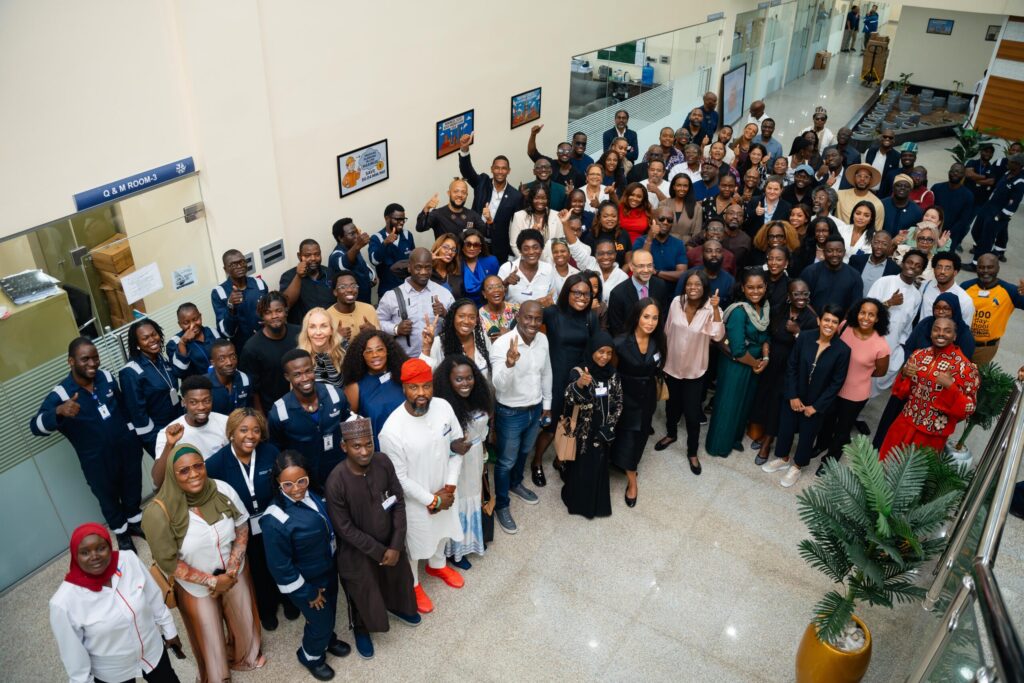
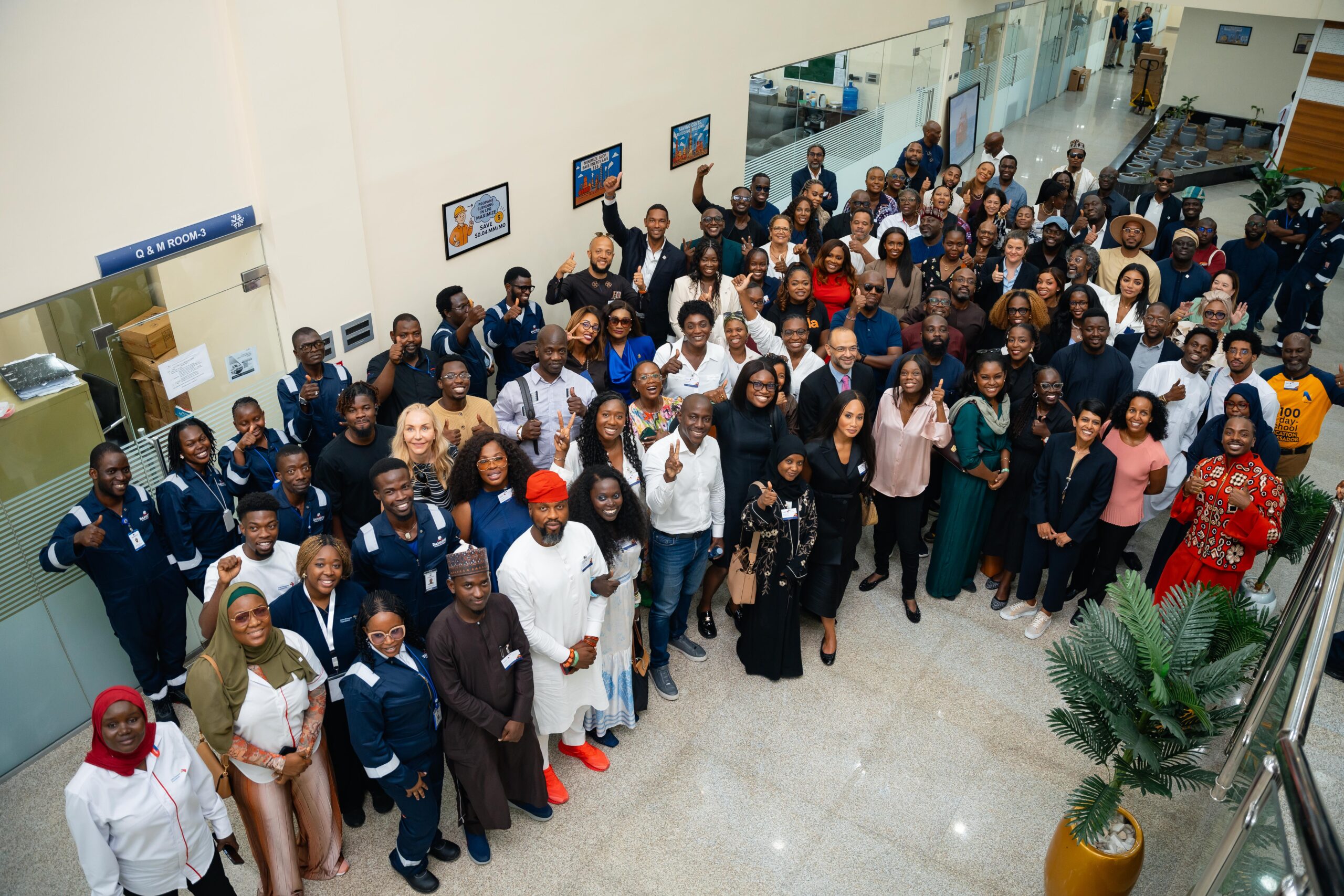
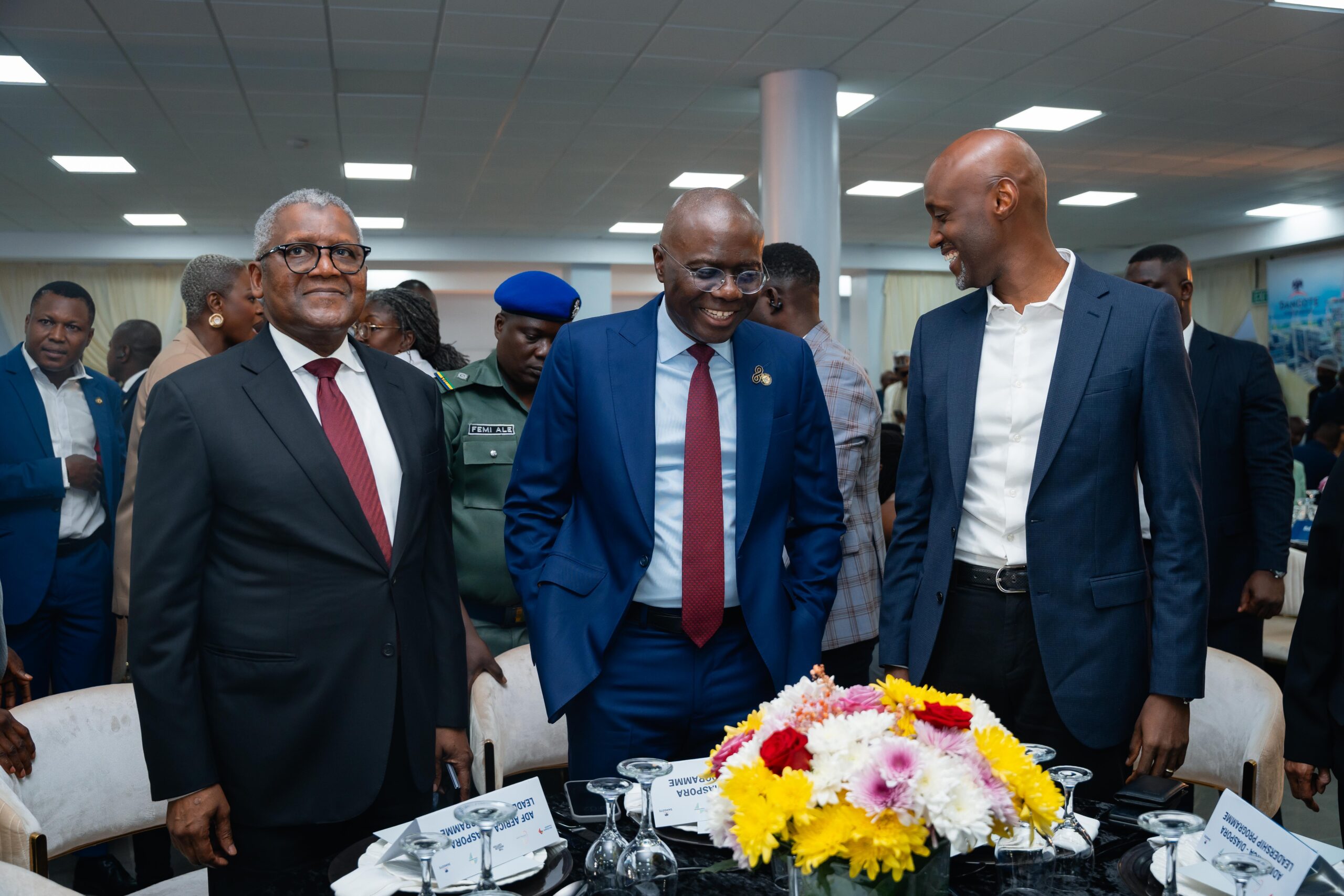
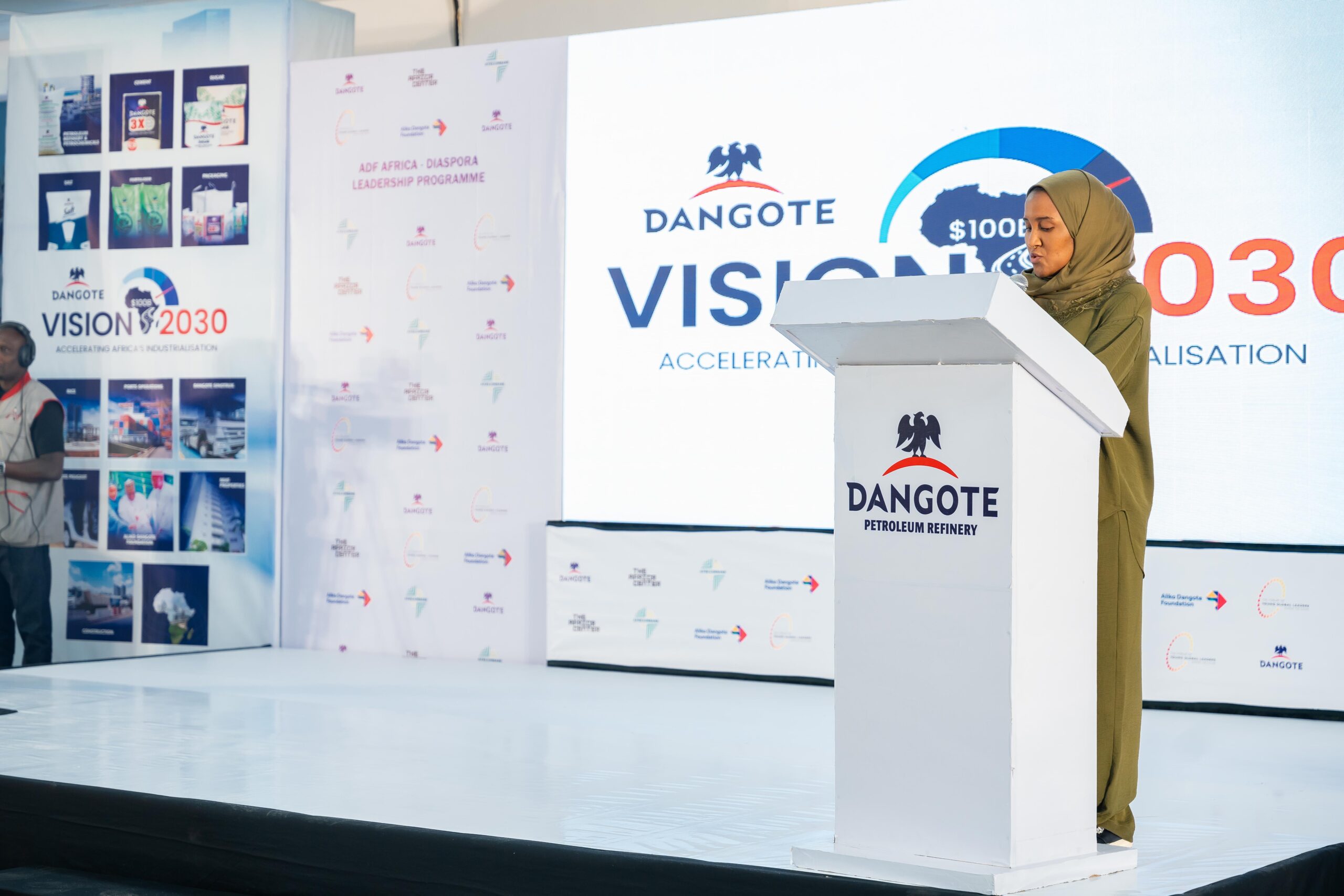
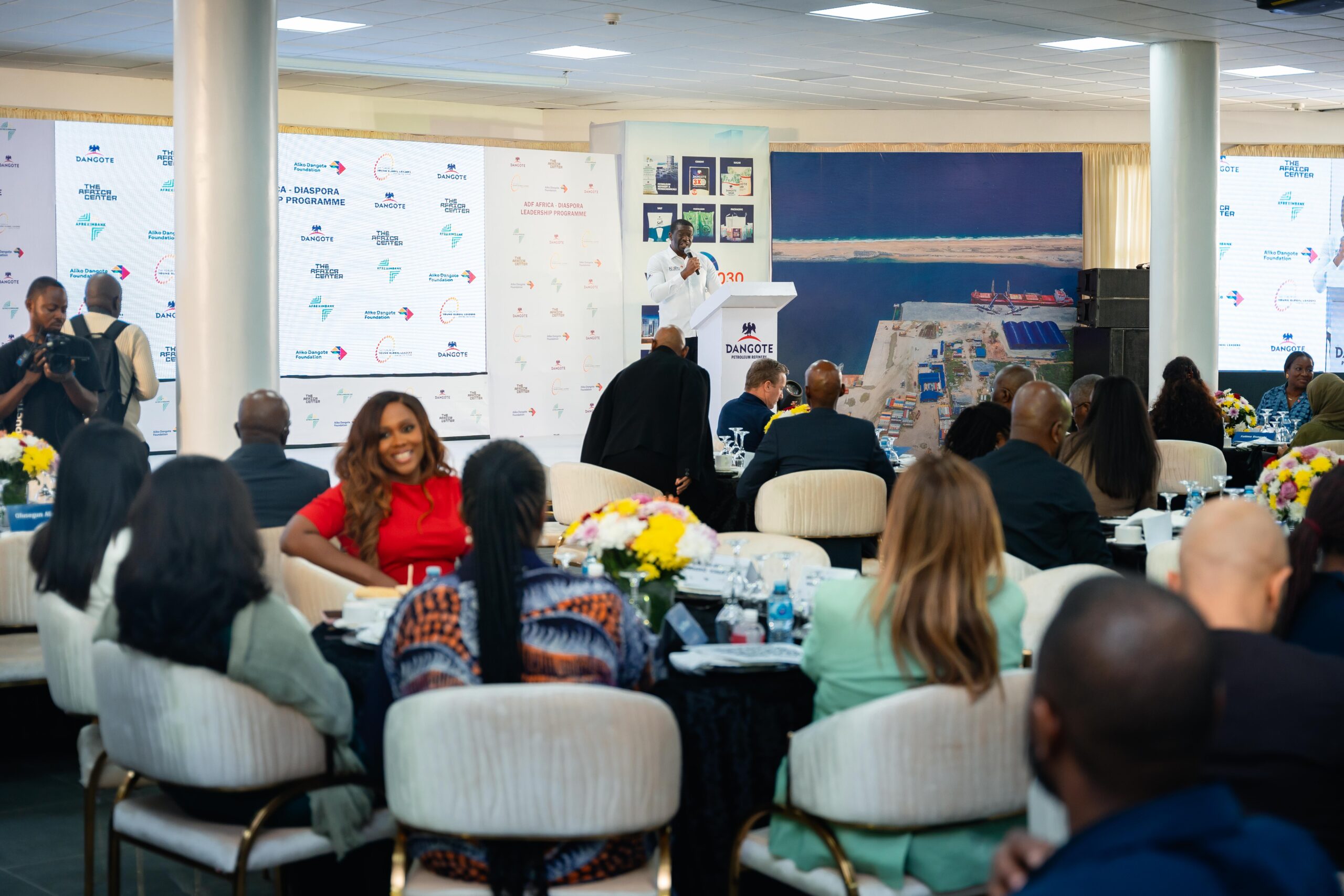
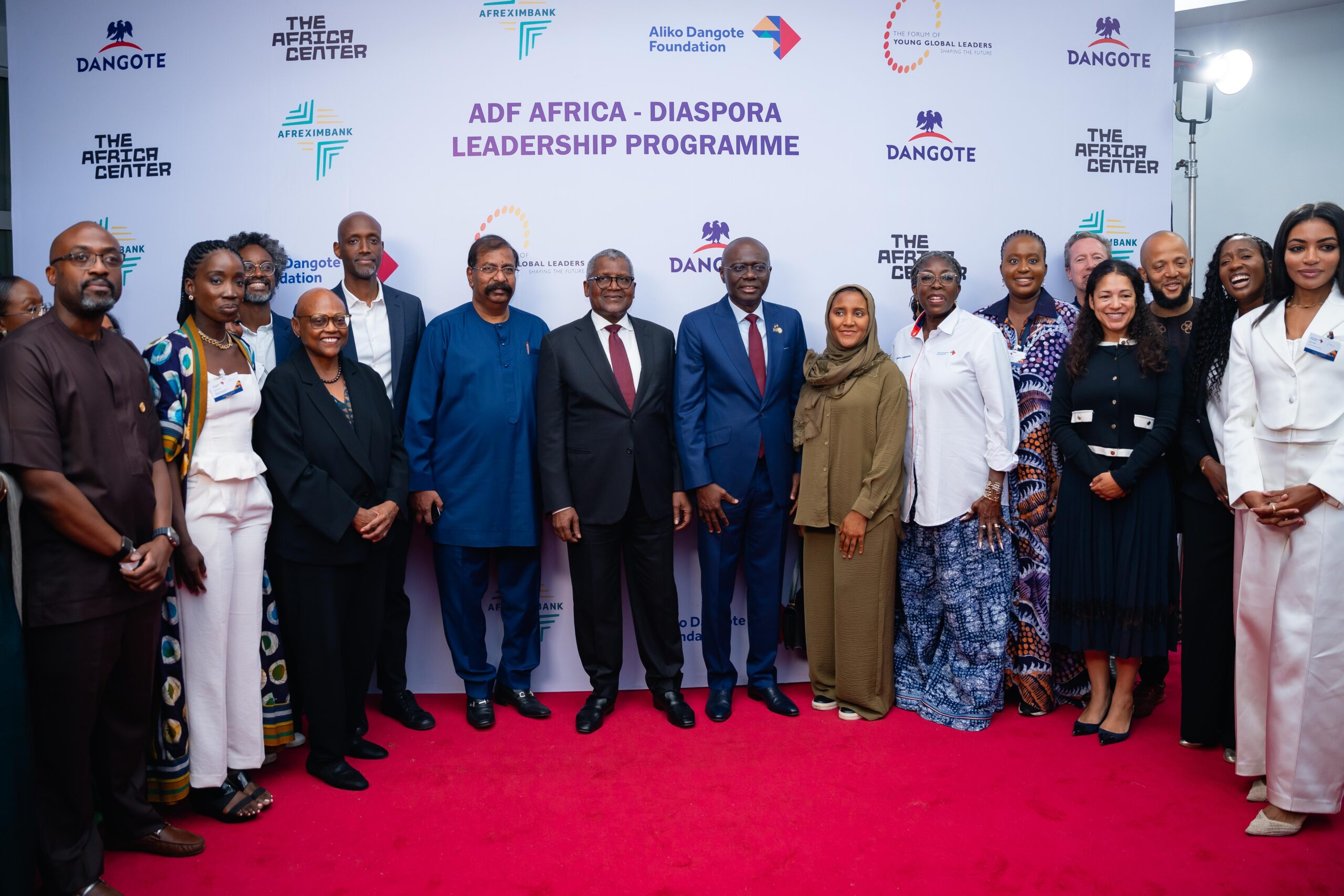
At the 2026 ADF-YGL Convening, an event that brought together Young Global Leaders from Ghana, Kenya, Rwanda, Nigeria and others through the Aliko Dangote Foundation and World Economic Forum to Lagos for a full-week immersive experience to discuss and dissect topics concerning the progress of Africa from September 9th to 13th. Lagos was specifically chosen for the convening for several reasons. One, as Governor Babajide Sanwo-Olu, the Governor of Lagos State, put it in his opening remarks at the Dangote Refinery, “Lagos is a place where the land itself has to be built before you actually build on it.” This is a representation of the essence of the convening that perhaps Africa needs to build itself for itself, on the ground level, before stretching outside.
The second reason for the convening happening in Lagos is to expose young leaders and builders across the African continent to witness the Dangote Refinery, one of the largest refineries in the world, and obviously the largest in Africa, to give an idea of what Africans and Africa can do with adequate determination.
The first day of the week-long immersion began at the Dangote Refinery, where African global leaders toured around the refinery. The day began with opening remarks from Governor Babajide Sanwo-Olu and Fatima Aliko-Dangote, and then a tour around the Dangote Refinery, the private jetty, and the fertiliser plant. The day at the refinery ended with a fireside chat with Aliko Dangote, answering questions from the young global leaders and sharing his ideas and thoughts on why it’s time for Africa to build.
The opening day sets the tone for what the rest of the week will be, where conversations will be shaped around what it takes to build from Africa, the infrastructure, the mentality, culture, barriers and others, while drawing inspiration from the Dangote Refinery, which is an exceptional example of what can be built from Africa. Although, as Fatima Aloki-Dangote said, the Dangote Refinery “is not the only answer, and it is not a complete answer” to what can be built from Africa or what Africans can build, but “it is an important proof point.”
The immersive week can be divided across the parallels of Technology and Infrastructure, Governance and Culture.
Technology and Infrastructure
For the second day, the Young Global Leaders gathered at the Access Tower, hosted by Aigboje Aig-Imoukhuede, to discuss Africa’s cost of capital and the intertwined relationships between the private sector and the government. In essence, Mr Aigboje said, “Vision attracts capital, governance protects capital and execution compounds capital,” to explain the interconnectedness and relationship between the private and public sectors in business. For Africa to build itself, it has to engage in the responsibility of building for itself, which starts with capital. However, as it was observed, Africans always look outside for capital before they can build. Even though the “Dangote Refinery is redefining logistics, fuel supply and the absence of foreign capital,” as Mr Aigboje said, Dangote has the funding to bypass foreign capital, but what happens to others who do not have access to local funding?
But the issue of funding did not begin today. It is a result of Africa’s handicap problem. As Mr Aigboje said, “The greatest handicap that Africa has is that we do not know how to pass on”, because if there had been a culture of building and passing the creation down through generations, Africa would have survived on the funding passed down.
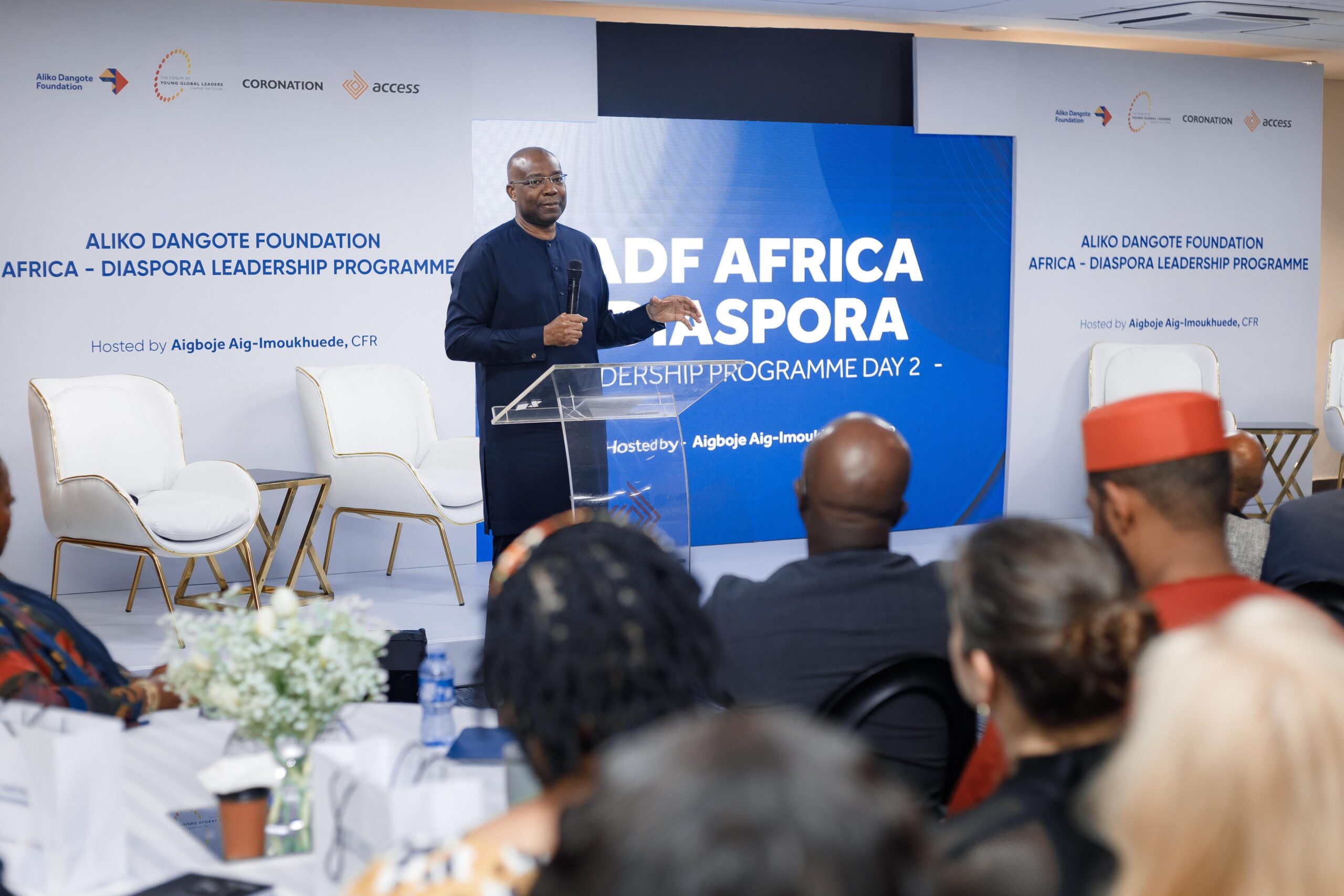
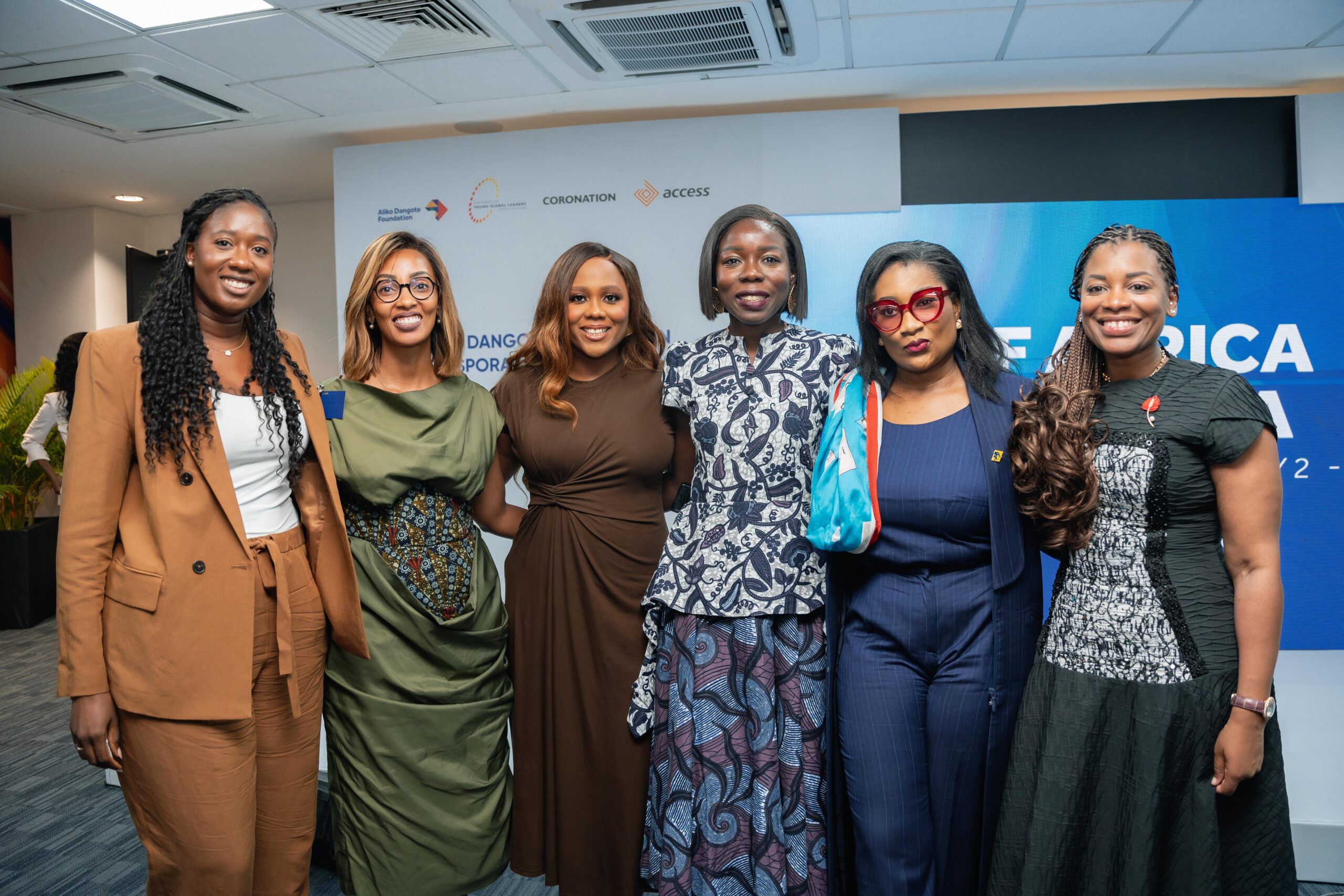
The second day also featured panel sessions around capital and funding, where industry experts shared insights into how they raise capital and maintain the capital, including talks from personalities from Dangote companies.
Afterwards, the leaders moved to Yaba, to CcHub and Learn2Earn complexes, which preceded the conversations around technology and the creative economy. At CcHub, the global leaders met with young founders building technological applications and software, including Afrofashion AI, Advantage Health Africa and others. The young founders shared the ideas behind what they’ve created and the idea that spurred its creation.
At Learn2Earn Academy, founded by Iyinoluwa Aboyeji, learners showcased what they have been building or have built. Anas Masama showcased Morrow, a fintech app that allows offline transfers without internet connectivity; Usang Emmanuel showcased Kola, an AI agent for customer service.
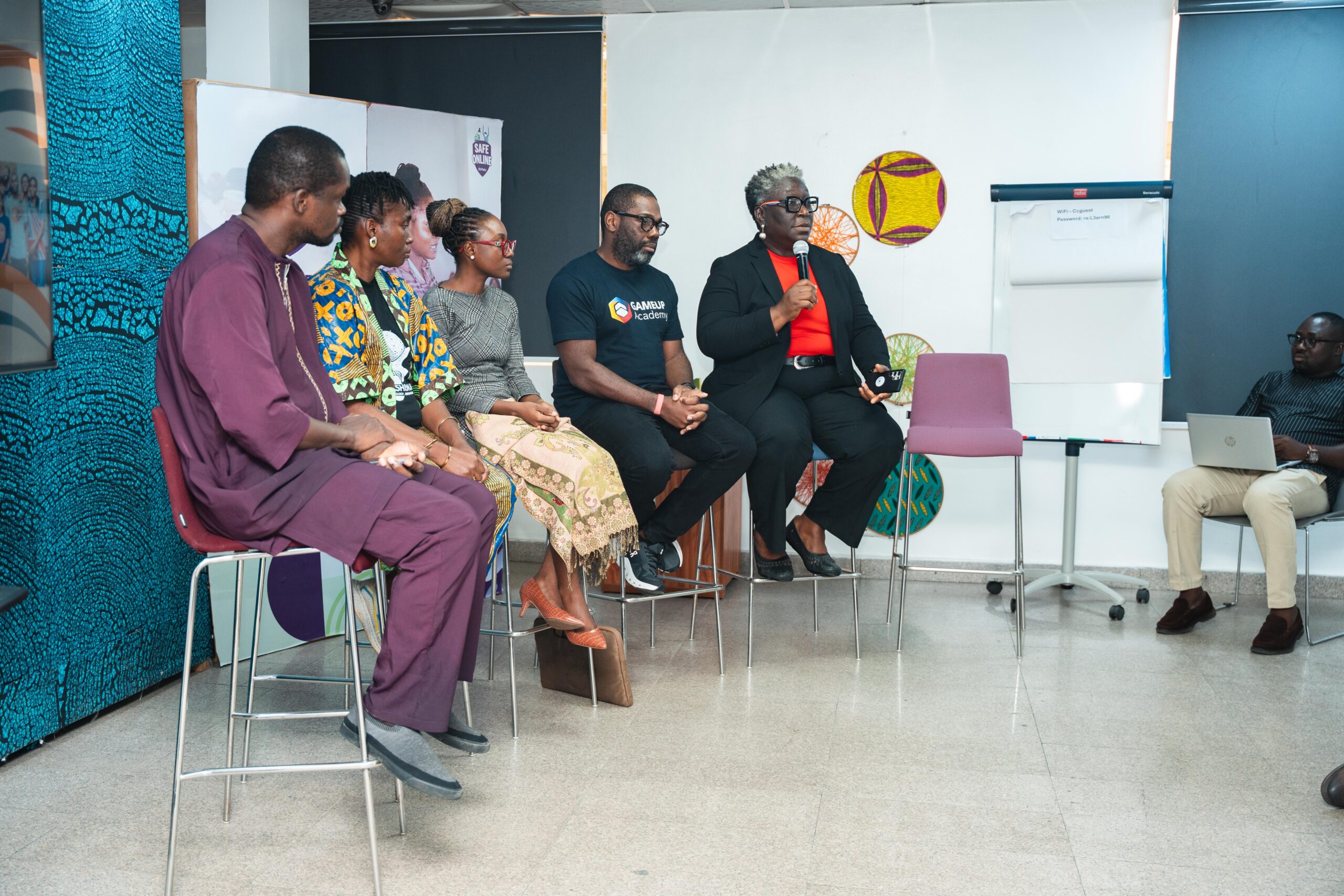
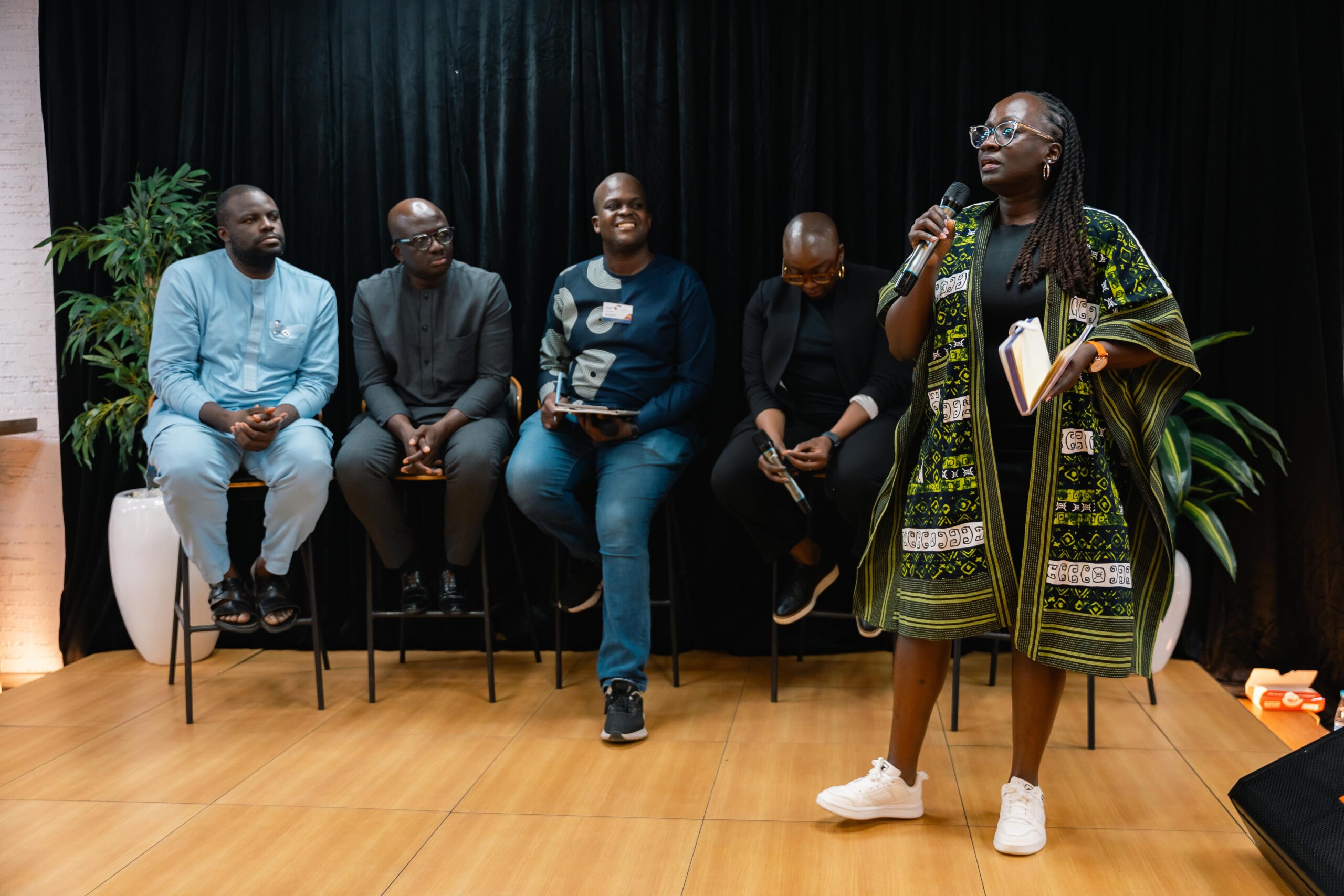
After the showcase, a panel session featuring Iyinoluwa Aboyeji, Professor Vukosi Marivate, Ibrahim Guimba-Saidou, Ojoma Ochai and Angle Oduor Lungati discussed “AI, Talent and Digital Public Infrastructure.” Here, they discussed extensively how technological advancement from the West influences policies and decisions in Africa, especially now with AI. Iyinoluwa argued that the reason he’s building the largest AI builders in the world is to make Africa inevitable in AI conversations globally, while others argued that this still relies on the principles of the West. Why can’t Africa build in a different sector, a different thing, and make the continent inevitable? In essence, this panel, like other panel sessions, left more questions on the table than answers, which is probably a good thing because questions drive curiosity.
Governance
At the centre of the conversations is governance. Many of the speakers argued that Africans should no longer wait for the government and start building by themselves. Some said the government cannot do everything. However, as some argued, it remains the responsibility of the government to create an enabling environment for the innovations to grow. Alhaji Aliko Dangote was very appreciative of the Lagos State Government and others for enabling the foundation of the Dangote Refinery.
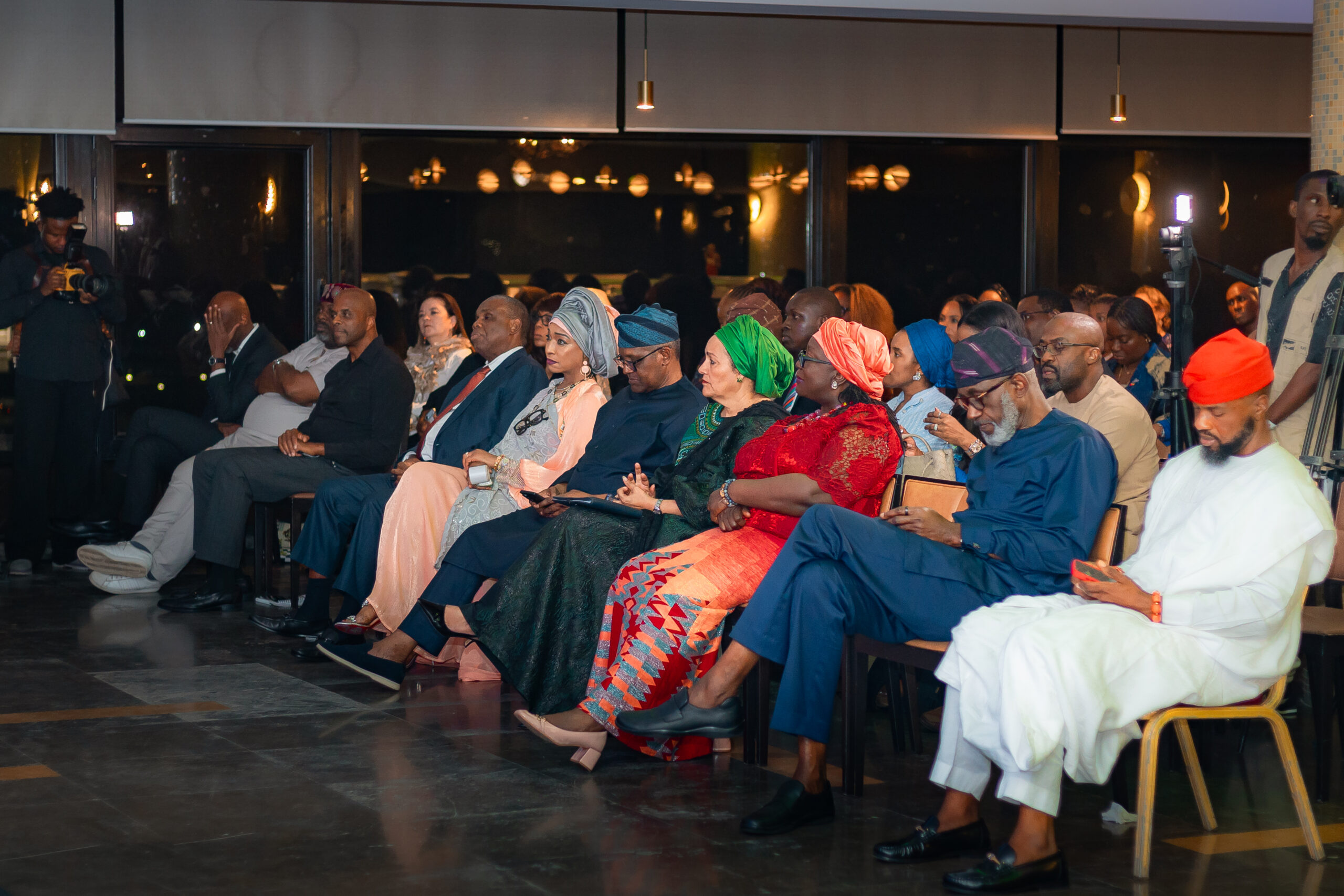
On the third day of the immersive experience, the Young Global Leaders gathered at Eko Hotel Sky to engage in panel discussions that involved personalities in governance to discuss the creative economy and the role of government in creating an enabling environment. From Nigeria’s Minister of Finance and Coordinating Minister of the Economy of Nigeria, Mr Taiwo Oyedele; Nigeria’s Minister of Art, Culture, Tourism, and the Creative Economy, Hannatu Musawa; Deputy Secretary-General of the United Nations, Amina J. Mohammed; Professor Benedict Oraimo; and political representatives from Rwanda.
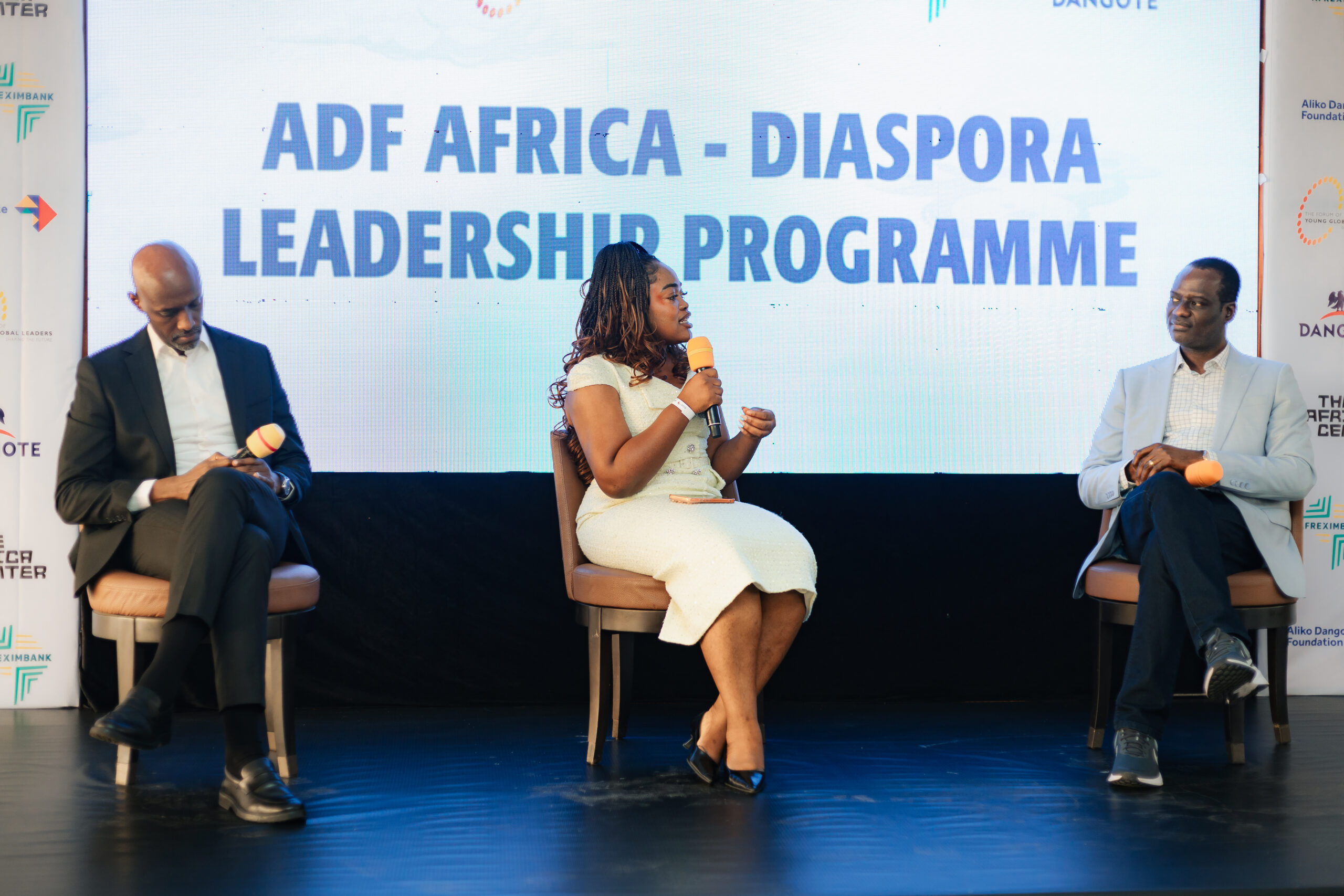
One of the focal points in the discussion of the creative economy is Afrobeats and creative platforms. Music and film have been some of Africa’s greatest exports in recent times, but the infrastructure around the exportation still doesn’t belong to the continent. From streaming platforms like Spotify, Netflix, YouTube and others, Africa still doesn’t have a major platform that can cater for the intellectual property of Africans. What would it take for Africa to build the infrastructure that caters for the creative works of Africans?
Culture
Mr Aigboje Aig-Imoukhuede said, “If you want to build a multi-generational business, culture is where you will find the stronghold.” So the week-long immersive experience in Lagos wouldn’t be complete without a cultural experience. At the JK Randle Museum, the Young Global Leaders were introduced to the Yoruba culture and cosmology.
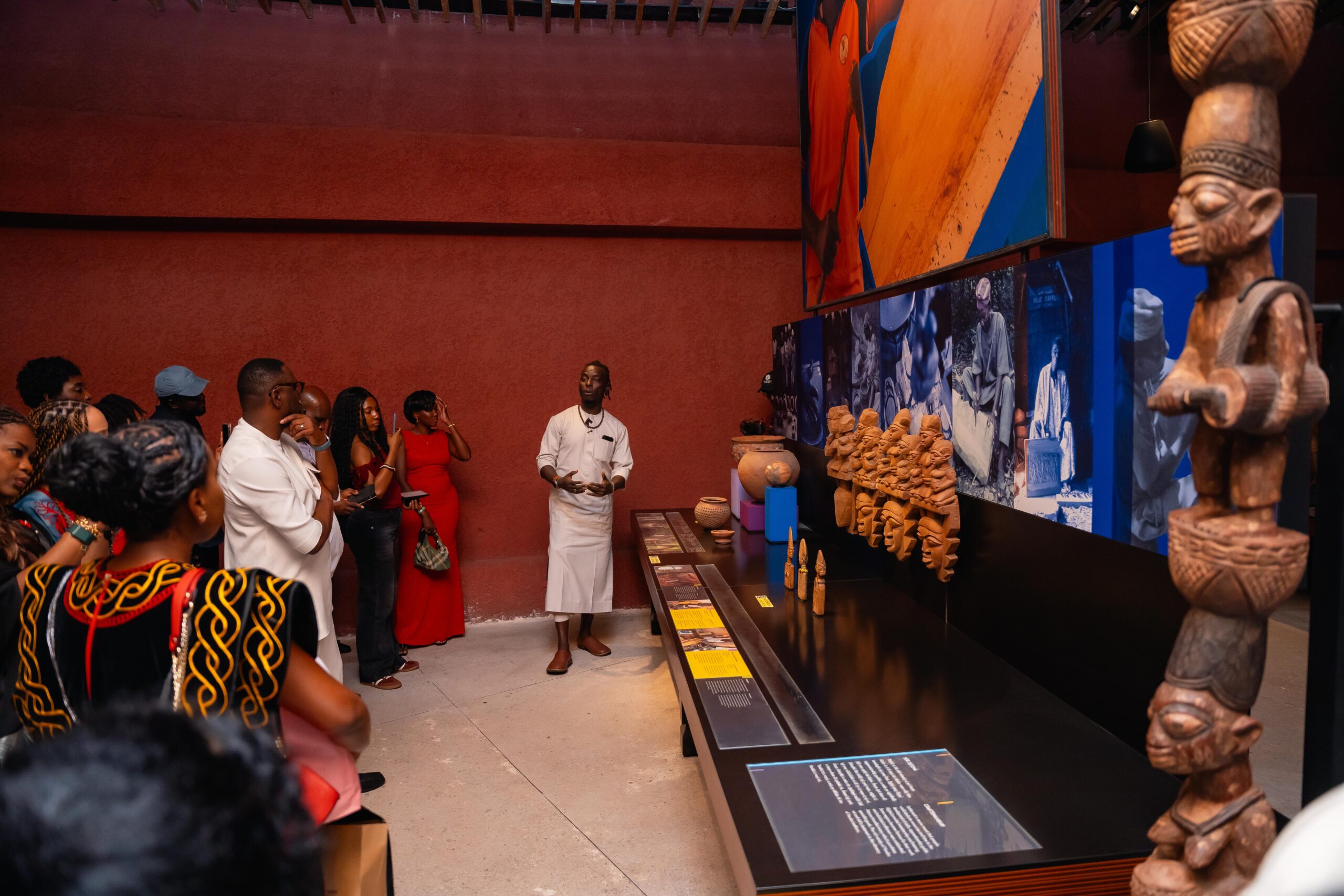
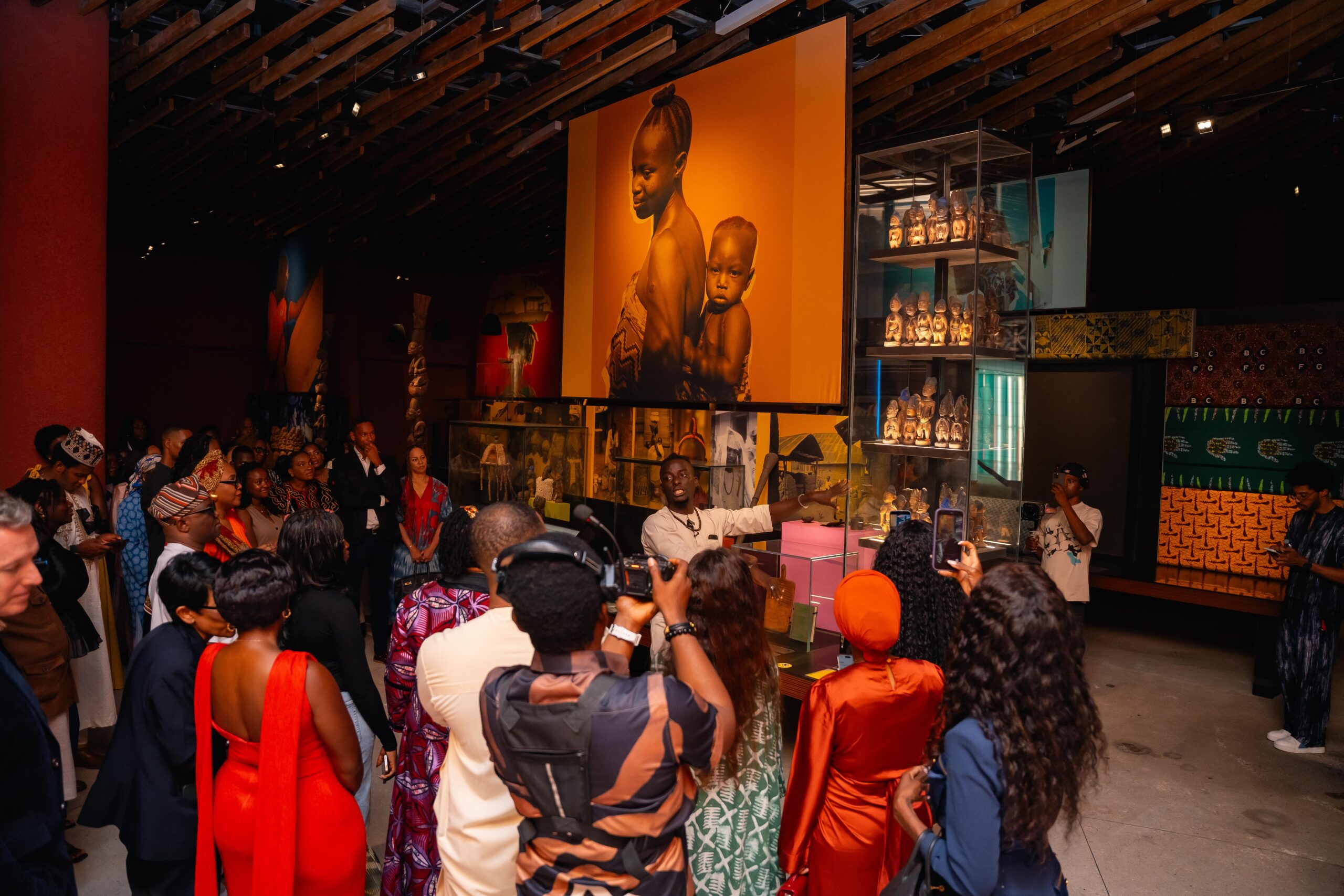
At GAIA Africa, Rewa Udoji, a Young Global Leader and artist, brought the leaders together to be involved in her creative process and experience the cultural experiences of her culture. The experience closed with a panel discussion on the preservation of African culture and an Ijala performance.
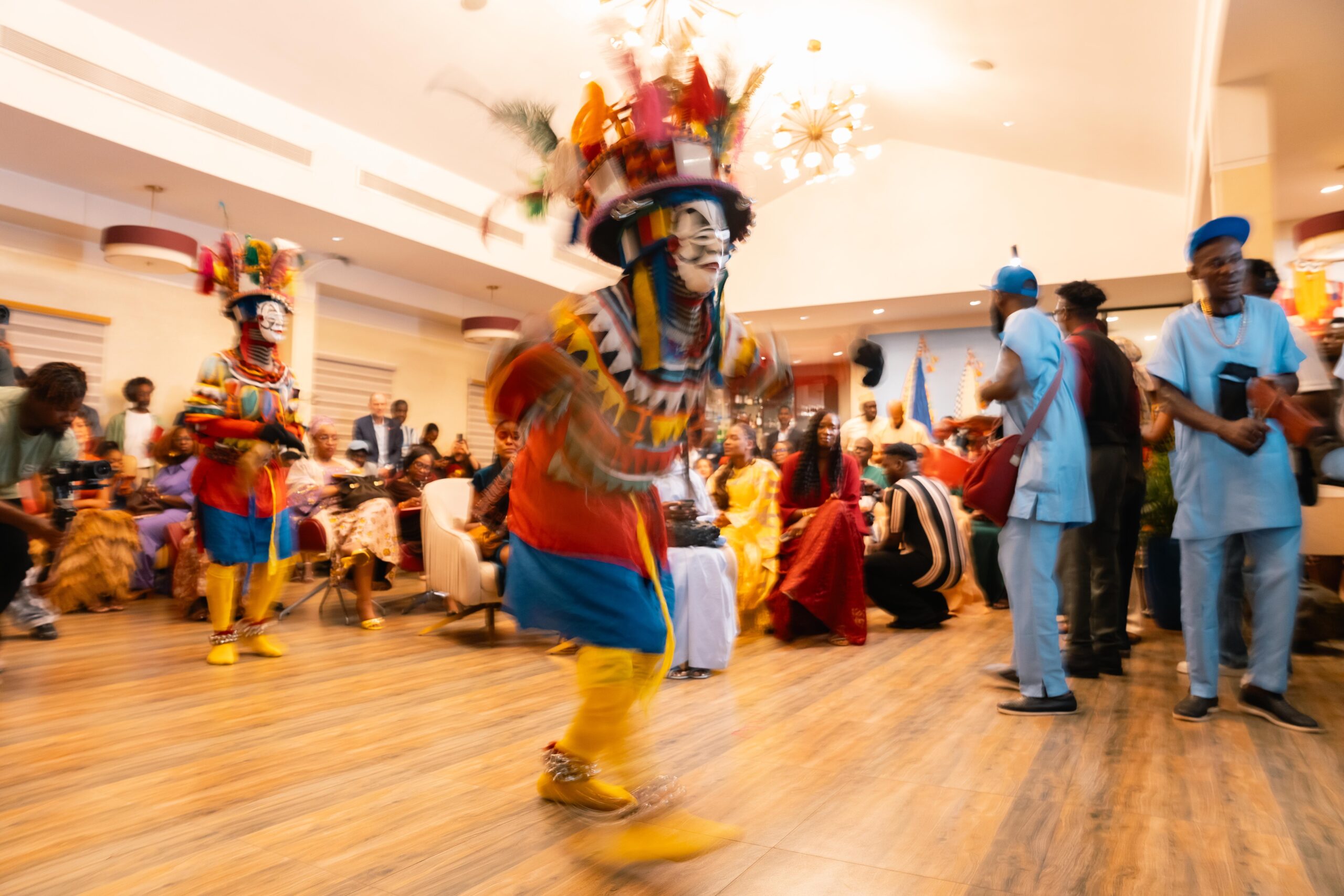
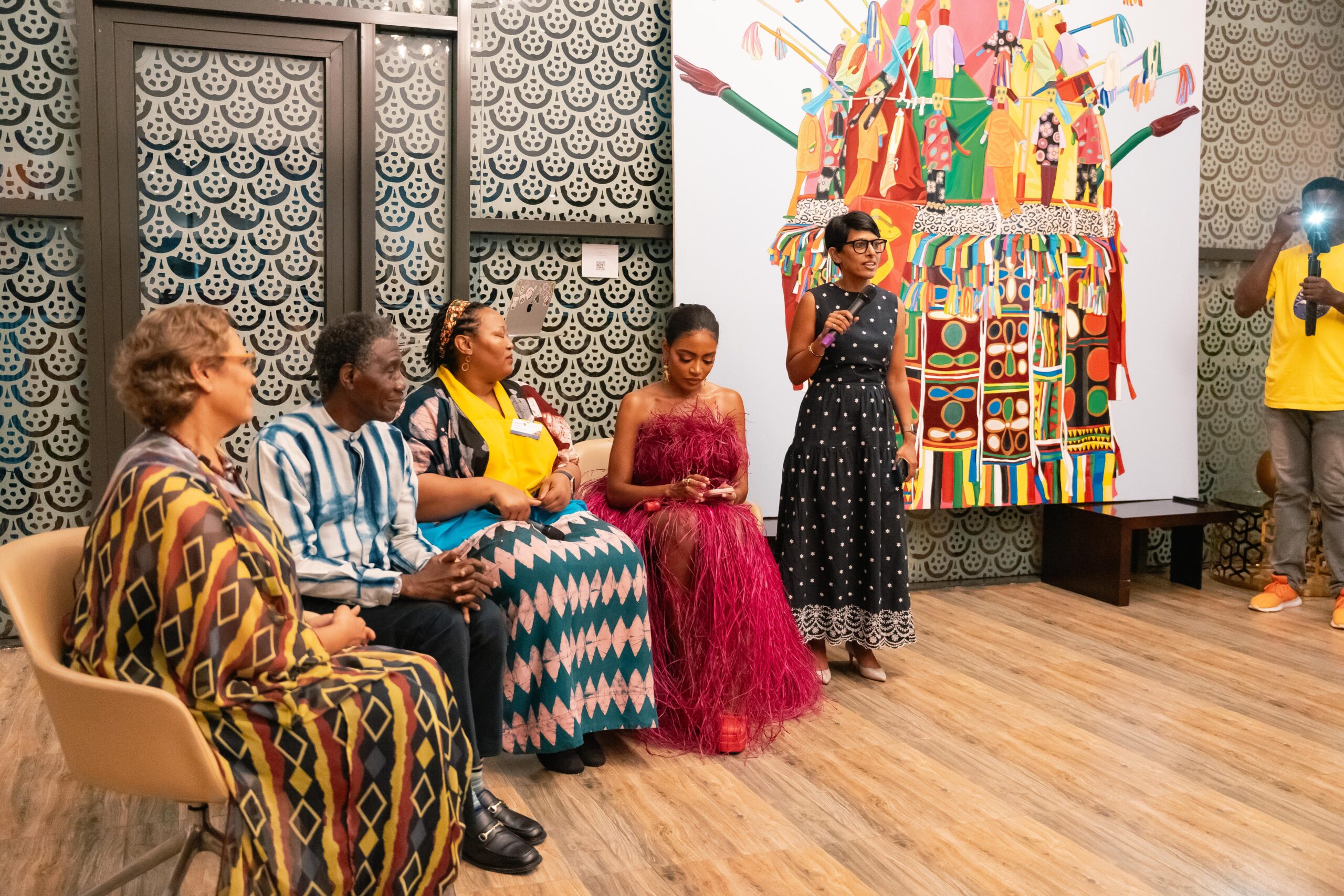
In essence, the 2026 ADF-YGL Convening in Lagos is to bring Young Global African Leaders to Lagos, especially the Dangote Refinery and ask the question: As much as Dangote has managed to build one of the largest refineries in the world, how can Africa produce another Dangote who will challenge, not necessarily another refinery or in the oil industry, another ambitious project? It can seem difficult for Africans to break out of chains they don’t control, but this week-long experience is a proof point that Africa can try. Africa can try to innovate rather than waiting. Should Africa face forward? Where is the forward? Is Africa really the world that the world should face? These are some of the questions that the global leaders will leave with as return to their respective countries and communites.
The post Should Africa Face Forward? – A Summary of the 2026 ADF-YGL Convening in Lagos appeared first on BellaNaija – Showcasing Africa to the world. Read today!.
In his 2015 TEDxEuston talk, the late Professor Pius Adesanmi asked, in comparing the role of Africa in technological advancements with the rest of the world, “Should Africa face forward?” The audience responded yes, with the right assumption that as the world progresses and moves forward, Africa should also face forward and align with technological
The post Should Africa Face Forward? – A Summary of the 2026 ADF-YGL Convening in Lagos appeared first on BellaNaija – Showcasing Africa to the world. Read today!. Read More